
Flowers
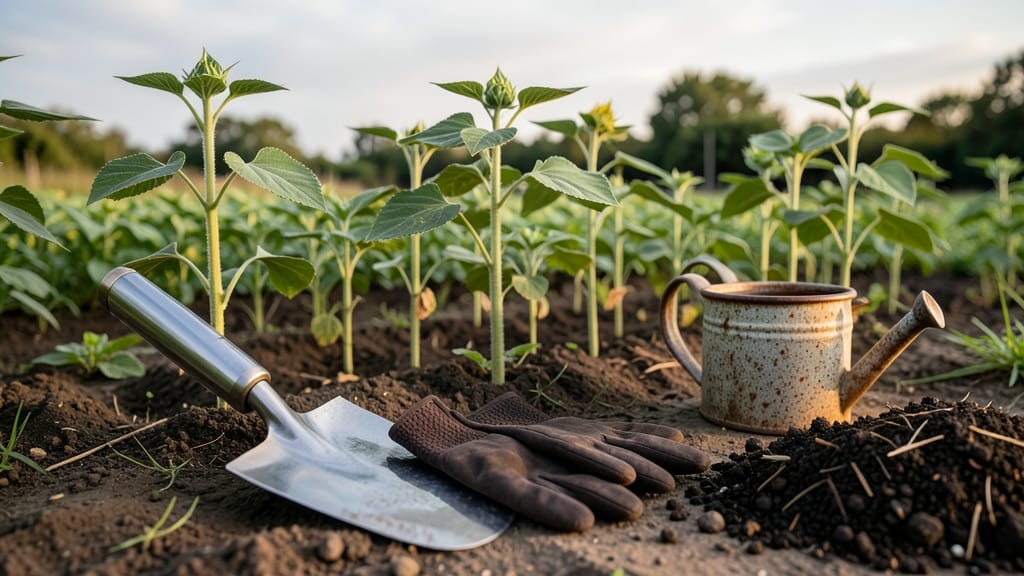
Planting sunflowers in Michigan after the last frost—typically mid-April to mid-June—sets the stage for those iconic 🌻 blooms that brighten up summer gardens.
But here’s the catch: Michigan’s unpredictable frost dates can turn a great start into a sad, wilted mess if you’re not careful. One week too early, and a late frost will nip those tender seedlings in the bud.
Too late, and your sunflowers might not have enough time to reach their full towering glory before fall sets in.
This guide breaks down the exact planting windows for Michigan’s different regions, whether you’re sowing seeds directly or starting them indoors.
You’ll also learn how to pick the right sunflower varieties for your short growing season and how to give them the best shot at thriving—no matter where you live in the state.
Ready to grow sunflowers that stand tall and proud? Let’s get started with the frost-free timeline that works for your corner of Michigan.
Michigan’s frost-free deadline for sunflower planting by region
Michigan’s frost-free dates vary dramatically—from late April in the south to early June in the Upper Peninsula. These deadlines determine your sunflower planting window and whether you’ll end up with towering blooms or frost-nipped failures.
Since sunflowers need 60-90 days to mature, timing is critical to avoid late-season frosts that can blacken leaves and stunt growth.
For direct-sown sunflowers, wait until soil temperatures hit 50°F and all frost danger has passed.
In Michigan, this typically means planting after May 1 in most regions, but your exact deadline depends on which part of the state you’re in. Early varieties can handle cooler soil, while tall giants like ‘Russian Giant’ need warmer conditions to thrive.
Here’s how Michigan’s regions break down for sunflower planting deadlines, including adjustments for early vs. late varieties and soil warming tips to extend your growing season.
⚠️ Pro Tip: Use a soil thermometer to confirm readiness—sunflowers won’t sprout until soil hits 50°F. If your soil is still cold, opt for early-maturing varieties like ‘Teddy Bear’ or ‘Moulin Rouge’ to avoid late-season risks.
In Southern Lower Michigan, where frost typically retreats by mid-April, you can plant early varieties like ‘Autumn Beauty’ as soon as late April.
But if you’re dreaming of 12-foot giants like ‘Russian Giant’, hold off until early June to ensure they mature before the first frost in mid-October. The 60-day window between planting and harvest is tight, so choose wisely!
For Northern Lower Michigan, where frosts linger until early May, focus on dwarf or semi-dwarf varieties like ‘Teddy Bear’ or ‘Sunspot’. These mature in 50–60 days, giving them a better shot at surviving late-season frosts.
If you’re set on taller varieties, stagger your planting—sow a few seeds every 2 weeks to extend your harvest window.
Gardeners in Michigan’s Upper Peninsula face the biggest challenges, with last frosts often arriving in mid-May. Here, indoor starts are almost mandatory for sunflowers. Begin seeds in biodegradable pots indoors in March, then transplant outdoors after the last frost date.
Opt for short-season varieties like ‘Little Becka’ (45 days) or ‘ProCut’ (55 days) to maximize your chances of success.
No matter where you garden in Michigan, soil temperature is your best friend. Use a soil thermometer to confirm it’s hit 50°F before planting. If it’s still chilly, black plastic mulch or straw mulch can warm the soil by 5–10°F, giving your sunflowers a head start.
For extra protection, use row covers until plants are 6 inches tall.
Remember: Sunflowers are resilient, but they won’t tolerate frost. If a late frost threatens after planting, cover seedlings with frost cloth or old blankets until temperatures rise.
With the right timing and a little extra care, you’ll be rewarded with sunflower stalks reaching for the sky—a true Michigan summer sight! 🌻
Best sunflower varieties for Michigan’s short growing season
Michigan’s short growing season demands sunflower varieties that mature quickly or have the stamina to thrive despite cooler temperatures. Early-blooming types like ‘Moulin Rouge’ and ‘Autumn Beauty’ are my go-to choices for gardeners in the Upper Peninsula or northern Lower Michigan, where summers are brief.
These varieties typically reach maturity in 60-70 days, giving them enough time to produce stunning blooms before frost.
For those in southern Michigan with slightly longer seasons, taller varieties like ‘Russian Giant’ or ‘Mammoth’ can still thrive if planted early. These giants need 90-120 days to mature, so timing is critical.
Plant them by mid-May at the latest to ensure they have enough warmth to reach their full height of 10-14 feet.
Here’s a quick comparison of the best sunflower varieties for Michigan, including their ideal planting windows and care tips:
When choosing sunflower varieties for Michigan, consider your garden space and growing goals. Dwarf varieties like ‘Teddy Bear’ are perfect for small gardens or containers, while tall types like ‘Russian Giant’ make dramatic focal points.
Always plant seeds 1 inch deep and space them 6-12 inches apart, depending on the variety’s mature size.
For cooler regions, I recommend starting seeds indoors 4-6 weeks before the last frost date. This gives seedlings a head start and helps them establish roots before transplanting.
Use biodegradable pots to avoid disturbing roots during the move. Once outside, ensure they receive at least 6-8 hours of sunlight daily—this is non-negotiable for sunflowers!
Don’t forget to water deeply after planting to encourage strong root growth. Once established, sunflowers are surprisingly drought-tolerant, but consistent moisture during early growth ensures they reach their full potential. Mulch around the base to retain soil moisture and suppress weeds, which can compete for nutrients.
With the right variety and timing, your Michigan garden can burst with vibrant sunflowers that attract pollinators and bring joy from summer through early fall. Happy planting! 🌻