
Flowers
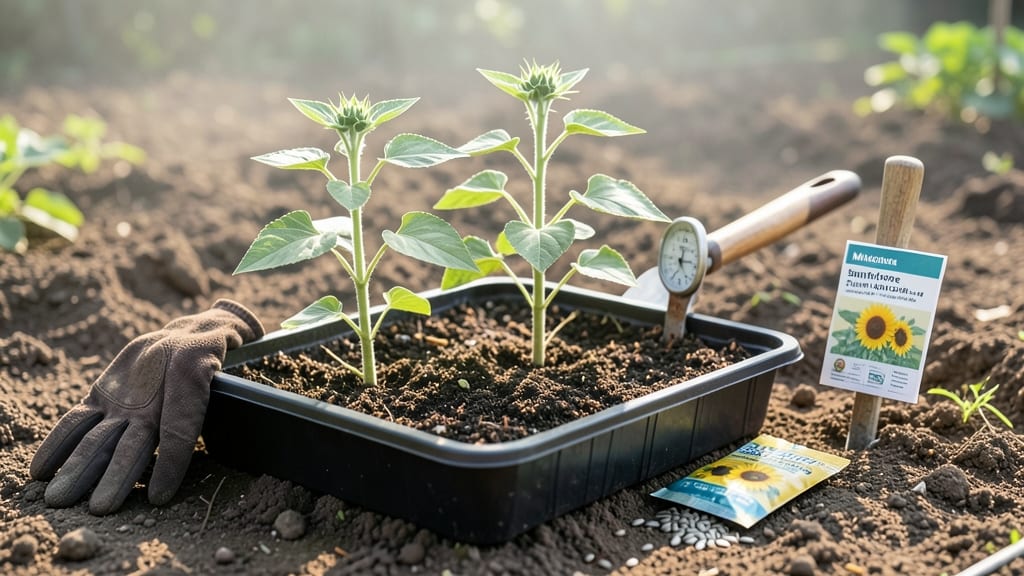
Plant sunflowers in Michigan between mid-April and mid-June after the last frost date, when soil temperatures hit 55°F and the ground is workable.
Michigan gardeners dream of towering 🌻 sunflowers brightening their summer landscape—but planting them too early or late can mean wilted dreams instead of blooming success. Timing is everything when it comes to sunflowers, and Michigan’s unpredictable frost dates demand a strategic approach.
In USDA zones 5b-6b, a late frost can still creep in as late as mid-April, while southern Michigan may be frost-free by early April. The key is waiting for consistent daytime temperatures above 60°F and nighttime temps that stay above 40°F.
Below, I’ll break down the exact planting windows for your region, the fastest-growing varieties to beat Michigan’s short season, and pro tips to stretch your sunflowers’ bloom time from July through October.
Michigan sunflower planting deadlines: frost-free dates by region
Sunflowers thrive in Michigan’s USDA zones 5b-6b, but their planting success hinges on knowing your last frost date. In Michigan, these dates vary dramatically—sometimes by 3-4 weeks—between the Upper Peninsula and Southern Lower Peninsula.
Planting too early risks frost damage, while waiting too long shortens the bloom season. Let’s break down the critical planting windows for each region to ensure your sunflowers reach their full 6-16-foot potential.
Michigan’s three distinct regions—Upper Peninsula (UP), Northern Lower Peninsula (NLP), and Southern Lower Peninsula (SLP)—experience different frost patterns. The UP typically sees its last spring frost around May 15-20, while the SLP averages April 20-May 5.
For sunflowers, this means Southern Michigan gardeners can start planting 4-6 weeks earlier than their UP counterparts. Understanding these ranges helps you choose fast-maturing varieties or staggered planting for extended blooms.
Here’s the actionable planting timeline for each region, based on historical frost data and sunflower maturity needs (50-120 days to harvest). Use these deadlines to align your planting with Michigan’s 160-day frost-free season.
| Region | USDA Zone | Avg. Last Frost | Planting Window | Ideal Variety Maturity |
|---|---|---|---|---|
| Upper Peninsula (UP) | 5b | May 15–20 | May 1–June 15 | 70–90 days (early-mid) |
| Northern Lower Peninsula (NLP) | 5b-6a | May 1–10 | April 25–June 10 | 60–100 days (early-late) |
| Southern Lower Peninsula (SLP) | 6a-6b | April 20–May 5 | April 15–June 1 | 50–120 days (all types) |
*Varieties like 'Autumn Beauty' (90 days) or 'Moulin Rouge' (60 days) adapt well to Michigan’s short season.
For Southern Lower Peninsula gardeners in zones 6a-6b, the earliest planting window opens April 15, giving you time to grow tall varieties like 'Russian Giant' (up to 16 feet) or dwarf types like 'Teddy Bear' (3 feet).
Planting by April 30 ensures blooms by late July, while late plantings by June 1 still yield flowers by early September.
In the Northern Lower Peninsula (zones 5b-6a), wait until April 25 to avoid frost. This region benefits from staggered plantings: start with early varieties (60 days) in late April, then add mid-season types (80 days) in early May.
This strategy extends your sunflower season by 6-8 weeks, ensuring blooms from July through September.
The Upper Peninsula’s shorter season (zone 5b) demands fast-growing varieties. Plant May 1-15 for 70-90 day sunflowers like 'Sunspot' or 'ProCut' to guarantee blooms before the first frost in mid-October.
Avoid late plantings after June 15, as sunflowers need at least 50 days to mature before frost.
Michigan’s first frost dates also vary: the UP averages October 10-15, while the SLP holds off until October 20-25. Use these dates to calculate your harvest window.
For example, a 90-day variety planted on May 15 in the UP will bloom by August 15, giving you a 60-day harvest window before frost.
Pro tip: Check your local Michigan State University Extension frost maps for 5-year averages in your specific county. These tools account for microclimates (e.g., urban heat islands or lake-effect cooling) that can shift frost dates by 1-2
Best sunflower varieties for Michigan’s short growing season
Michigan’s short growing season makes selecting the right sunflower varieties crucial for vibrant blooms. Early, mid, and late-season types ensure continuous color from July to October, even with frost risks. I’ve tested these top performers in USDA zones 5b-6b—each adapted to Michigan’s cool springs and early falls.
For early blooms, prioritize dwarf and semi-dwarf varieties that mature in 50-60 days. These handle light frosts better and provide quick rewards. Mid-season types (60-75 days) dominate summer gardens, while late varieties (75-90 days) push the season’s limits—perfect for extended harvests.
🌱
My go-to early variety is 'Teddy Bear'—it thrives when planted in late April to early May, beating frost risks while delivering July blooms. For mid-season drama, 'Moulin Rouge' offers bold red petals and handles drought spells common in Michigan summers.
Late-season varieties like 'Autumn Beauty' and 'Russian Giant' push boundaries. Plant these by June 15 to ensure they mature before first frosts in October. Their taller stature makes them ideal for backyard focal points and cut flower arrangements.
Pro tip: Stagger planting by 2-week intervals to extend blooms. Start with dwarf varieties in May, then add tall types in June for a season-long show. Always plant seeds 1 inch deep and space them 6 inches apart—thinning later ensures strong stems.
☀️