
Flowers
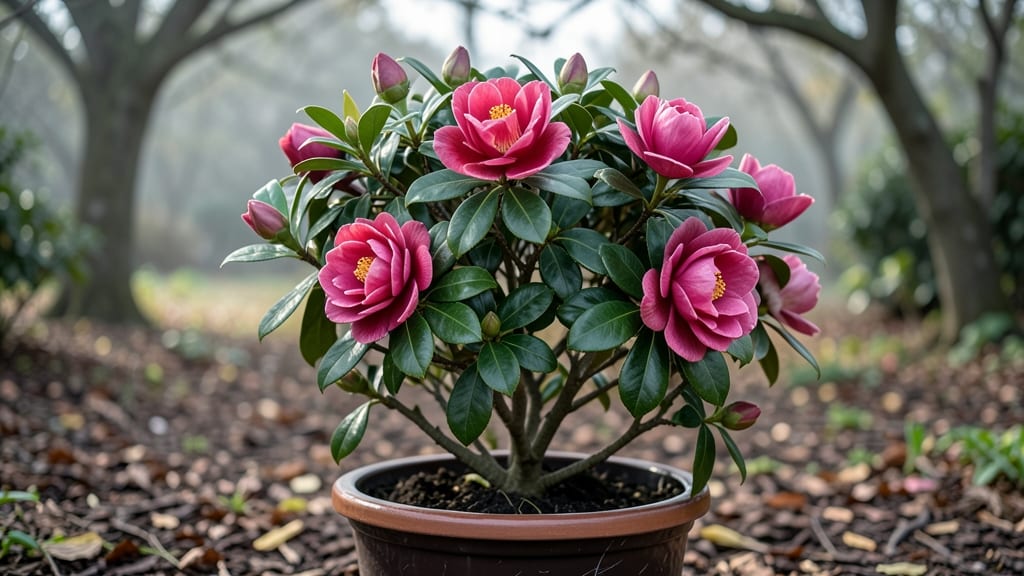
A camellia flowers in late fall to early spring, but the exact timing depends on the variety and your climate zone—some burst into bloom as early as November, while others wait until March.
If you’ve ever wondered why your neighbor’s camellia 🌸 is covered in blossoms while yours sits bare, the answer lies in the type of camellia you’re growing. Winter-blooming varieties like Sasanqua often open first, followed by Japanese and Reticulate types in spring.
In USDA Zones 7b-9b, where camellias thrive, cooler temperatures trigger buds to open. But even within the same zone, a 5-degree difference in winter lows can shift bloom time by weeks. That’s why choosing the right variety—and giving it the right care—is the key to year-round color.
Below, I’ll break down how to read your camellia’s cues, adjust care for your region, and keep those flowers coming back season after season.
Camellia flowering seasons by variety type: winter vs spring bloomers
Camellias are famous for their seasonal blooms, but not all varieties follow the same schedule. Some burst into color during winter holidays, while others wait until spring warmth.
The key difference lies in their temperature triggers and regional growing zones. Understanding these patterns helps you select camellias that will brighten your garden year-round.
Japanese camellias, the most popular type, typically bloom from late fall to early spring, with peak seasons in December through March. Sasanqua camellias, however, are the winter bloomers, often flowering from October through December.
Meanwhile, Reticulate camellias, less common but stunning, bloom in late winter to early spring, around February to April.
Here's how these varieties align with your local climate and USDA hardiness zones for optimal bloom timing:
| Variety Type | Primary Bloom Season | Temperature Trigger | Best USDA Zones | Regional Notes |
|---|---|---|---|---|
| Japanese Camellia | Late Fall to Early Spring (Nov–Mar) | Cooler temps (40–60°F) | 7b–9b | Northern zones may see delayed blooms until late winter. |
| Sasanqua Camellia | Fall to Early Winter (Oct–Dec) | Mild fall temps (50–70°F) | 7a–10a | Thrives in coastal areas with moderate winters. |
| Reticulate Camellia | Late Winter to Spring (Feb–Apr) | Warming temps (55–75°F) | 8a–10b | Southern zones may see earlier blooms in January. |
For year-round interest, pair a Sasanqua camellia (fall blooms) with a Japanese camellia (winter blooms). This combo ensures your garden stays vibrant from October through March.
In warmer climates like USDA Zone 9b, Japanese camellias may bloom as early as November, while in cooler Zone 7b, they might not appear until February.
Temperature plays a crucial role in bloom timing. Japanese camellias need winter chill (40–50°F for 300–600 hours) to set buds, while Sasanquas bloom earlier because they require less chill (200–400 hours). Reticulates, often grown in warmer regions, bloom when daytime temps consistently reach 60°F.
If you live in Zone 7a or cooler, focus on Sasanqua varieties like 'Cuspidata' or 'Tulipii' for early winter color. For Zones 8–10, Japanese types such as 'Spring’s Promise' or 'Nuccio’s Gem' will provide spring blooms after winter dormancy.
Reticulates like 'Desire' shine in southern gardens with their bold, tropical flowers.
Pro tip: Mulch heavily in late fall to protect roots from temperature swings, which can delay blooming. Also, avoid heavy pruning in late winter—this removes next year’s flower buds! Instead, prune after blooming to shape the plant and encourage next season’s flowers.
For container gardening, choose dwarf varieties like 'Yuletide' (Sasanqua) or 'Donation' (Japanese) to enjoy winter blooms on patios. Just ensure pots have drainage holes and use acidic potting mix (pH 5.0–6.0) to mimic their natural soil conditions.
With the right variety selection and care adjustments, your camellias can provide stunning color from fall through spring, turning your garden into a year-round floral showcase. 🌸
How climate and pruning affect camellia flowering times
Your camellia’s flowering time isn’t set in stone—it’s a delicate balance between climate cues and how you prune. In USDA Zones 7b-9b, winter chill hours trigger buds to open, but even within the same zone, a 5°F temperature shift can delay blooms by weeks.
For example, a Sasanqua camellia in Zone 8a might bloom in November, while the same variety in Zone 9a could wait until January.
Pruning plays an equally critical role. If you cut back too late in the season, you risk removing next year’s flower buds, which form on old wood for most varieties.
Meanwhile, over-pruning can stress the plant, causing it to divert energy away from blooming. The key is timing: prune right after flowering to shape the shrub without sacrificing future blooms.
⚠️ WARNING: Common Mistakes That Delay Camellia Blooms
To shift your camellia’s blooming window, start by mapping your microclimate. If you’re in a warmer zone (9a-10), opt for low-chill varieties like 'Spring’s Promise' or 'Desire', which bloom earlier.
For cooler zones (7b-8a), varieties like 'Winter’s Star' thrive with more chill hours and may bloom later into spring.
Strategic pruning can also advance or delay blooms. For earlier flowers, prune lighter in early summer to encourage new growth that can form buds for a second flush of blooms. Conversely, to delay blooms, prune heavily after the first flush to redirect energy toward foliage rather than flowers.
Pay attention to your camellia’s bud development. Healthy buds form on mature wood, so avoid shearing or topping the plant. Instead, use selective pruning to remove only dead, diseased, or crossing branches.
This preserves the plant’s energy for bud formation and ensures a longer, more abundant bloom season.
Finally, don’t overlook the role of soil and water. Camellias need acidic, well-draining soil (pH 5.0–6.0) and consistent moisture to support bud development. In drought-prone areas, mulch with pine bark or compost to retain moisture and mimic their natural forest-floor habitat.
This small adjustment can make the difference between sparse blooms and a lush, year-round display.