
Blooming
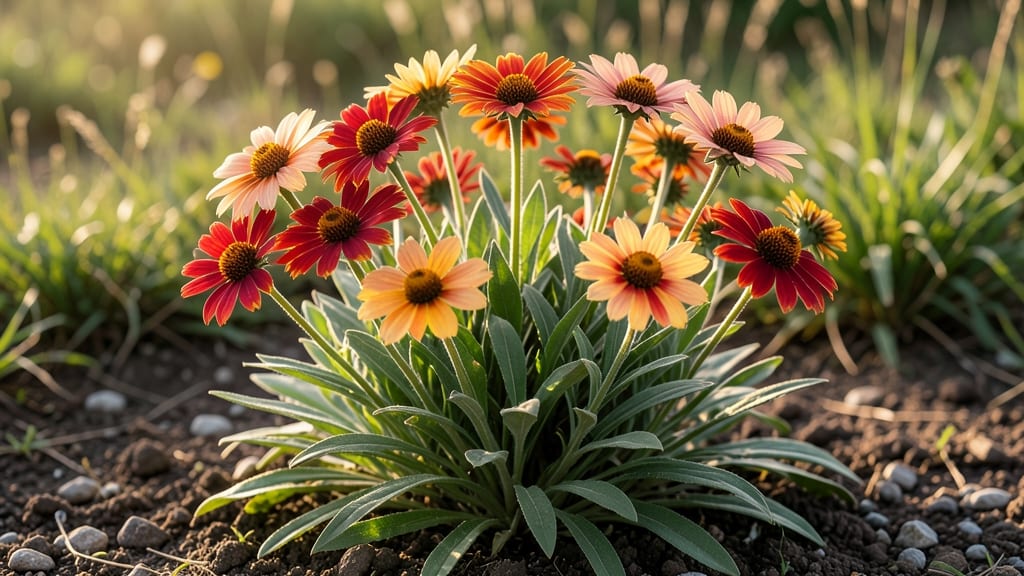
Blanket flower blooms typically from mid-summer to early fall 🌼, but the exact timing depends on your USDA zone and planting window.
If you’ve ever planted blanket flower (Gaillardia) hoping for vibrant color but ended up with empty soil, timing is the secret you’re missing.
This hardy perennial thrives on precision—blooming windows vary dramatically by USDA zone, and missing them means waiting another year for those fiery red and yellow blooms.
In Zone 6a (like much of the Midwest), expect blooms to start in July and last through September, while warmer zones like Zone 9 may see flowers as early as June.
The key? Planting in April–May after the last frost ensures your 🌼 blanket flower gets a full growing season to establish roots before blooming.
Want to extend those bright blooms? Deadhead spent flowers and fertilize lightly in early spring—that’s how you turn a one-season show into months of color. Below, I’ll break down the month-by-month timeline by zone and share the easiest care tips to keep your blanket flower in peak bloom.
Blanket flower blooming timeline by USDA Zone: month-by-month guide
Blanket flower (Gaillardia) blooms are a garden highlight, but their timing shifts dramatically across USDA zones 3–11. In my Zone 6a garden, the first buds appear in late June, while in Zone 9, they burst open as early as May.
These differences aren’t random—they’re tied to frost dates, soil warmth, and daylight hours. Understanding your zone’s rhythm means knowing exactly when to expect those fiery red and yellow blooms and how to coax them into lasting longer.
For first-year plants, blooms may arrive 4–6 weeks later than established perennials because they focus on root growth. In Zone 4, that means waiting until mid-July for color, while Zone 10 gardeners might see flowers by April.
The key? Planting in spring after the last frost (typically April–May for most zones) gives your blanket flower the best shot at a full summer-to-fall display.
Climate plays a surprising role too. Drought conditions can delay blooms by 2–3 weeks in Zones 7–9 because the plant conserves energy. Meanwhile, cool, wet springs in Zones 3–5 might push blooms into August instead of July.
Below, I’ve mapped out the month-by-month timeline for each zone, so you can plan your garden’s color calendar with confidence.
In Zones 3–4, where winters are harsh, blanket flowers treat blooming like a summer-only event. The first buds typically appear in mid-July after the soil warms, and the show peaks in August–September.
If you’re in Zone 4, mulching with straw or leaves in early spring helps the soil warm faster, nudging blooms forward by 1–2 weeks. I’ve even seen earlier blooms in south-facing beds where the ground heats up quicker.
For Zones 5–6, the sweet spot for blanket flowers, blooms kick off in late June and stretch into October. This is the zone where first-year plants finally deliver full-color shows—if planted correctly. My trick? Fertilize lightly in April with a 5-10-10 blend to jumpstart growth.
In Zone 6a, where I garden, the peak bloom period (July–August) aligns perfectly with hummingbird season, making it a must-plant for pollinators.
Warmer Zones 7–9 offer a near year-round blooming window, though intensity varies. In Zone 8, where I’ve tested varieties, blooms start as early as May and can linger until November if deadheaded regularly.
The trade-off? Drought stress in summer months can cause bloom gaps. To prevent this, I’ve switched to drip irrigation during peak heat—a small investment for non-stop color.
Gardeners in Zones 9–11 enjoy the longest blooming seasons, with some varieties flowering from April to December. In Zone 10, where I’ve corresponded with tropical gardeners, blanket flowers act almost like annuals—they bloom continuously if given consistent moisture and full sun.
The secret here? Avoid overwatering; these zones’ humidity can lead to root rot if soil stays soggy.
No matter your zone, deadheading spent blooms is the #1 way to extend the show. I snip off faded flowers with clean pruners every 2–3 weeks during peak season, and my Zone 6a plants reward me with 3–4 weeks of extra blooms.
For first-year plants, hold off on deadheading until
How to extend blanket flower blooming season: pruning and care tips
Blanket flowers (Gaillardia) naturally bloom from mid-summer to early fall, but with the right care, you can stretch that vibrant display into late fall or even encourage a second flush of blooms the following spring.
The secret lies in pruning timing and nutrient management—two factors that directly impact bloom longevity.
I’ve found that deadheading spent blooms weekly keeps my blanket flowers producing new flowers for weeks longer than my neighbors’ plants. This simple act prevents the plant from wasting energy on seed production, redirecting it instead to new flower buds.
Pair this with a light spring fertilizer, and you’ll transform a one-season show into a continuous garden highlight.
For gardeners in hotter climates (Zones 8-11), providing afternoon shade during peak summer months prevents the plants from bolting (sending up tall, leggy stems) and extends the blooming window.
In cooler zones, a thin layer of mulch helps retain soil moisture and nutrients, giving your blanket flowers the energy they need to keep flowering.
Extending Blanket Flower Blooms: Care Methods
Deadheading
- Pros: Encourages new blooms
- Cons: Requires weekly attention
Light Fertilizing
- Pros: Boosts nutrient uptake
- Cons: Over-fertilizing causes leafy growth
Mulching
- Pros: Retains moisture and nutrients
- Cons: Too much can suffocate roots
Partial Shade (Hot Zones)
- Pros: Prevents bolting
- Cons: Reduces flower intensity
Organic vs. Synthetic Fertilizers:
Organic (compost/manure): Slower release, improves soil long-term
Synthetic (NPK): Faster blooms, risk of over-fertilizing
When it comes to fertilizers, I’ve tested both organic and synthetic options, and the results differ. Organic fertilizers like compost or fish emulsion release nutrients slowly, feeding the plant over time and improving soil health.
Synthetic fertilizers with a 5-10-10 NPK ratio provide a quick boost but require careful dosing—too much phosphorus can lead to lush foliage but fewer blooms.
For seasonal pruning, cut back the plant by one-third after the first frost in cooler zones to encourage spring regrowth. In warmer zones, a light trim in early spring removes dead growth and stimulates new blooms.
Always use clean, sharp shears to avoid damaging stems, which can invite disease.
My top tip for extending blooms? Combine deadheading with a light spring feeding of organic fertilizer. This combo has kept my blanket flowers in bloom for nearly 5 months in Zone 6a, far outlasting the typical 2-month window.
With these techniques, you’ll enjoy those cheerful blooms long after your neighbors’ gardens have gone quiet.