
Flowers
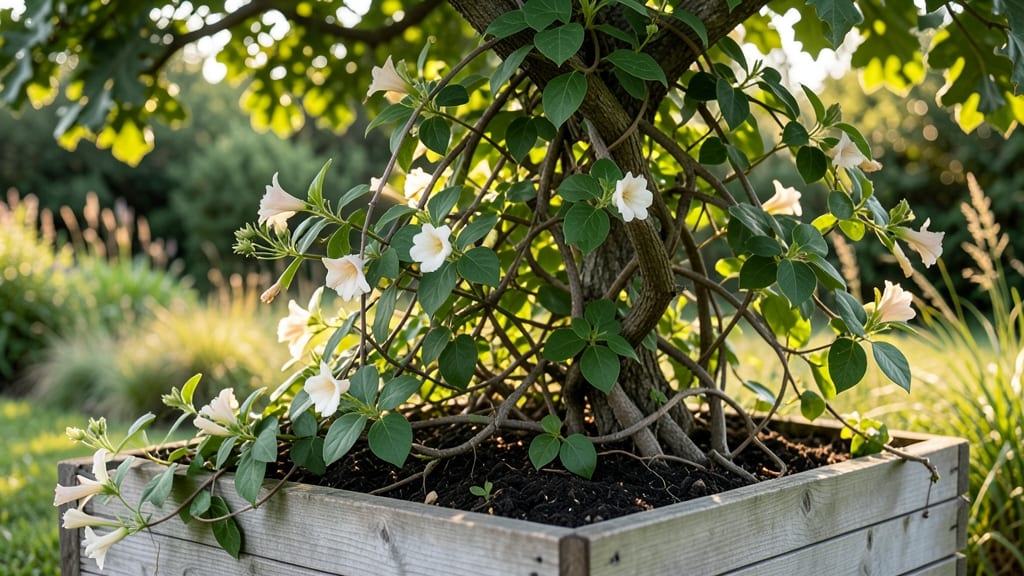
Honeysuckle flowers bloom in late spring through summer, with timing that shifts by USDA zone—think May to July in cooler regions and June to August in warmer climates.
If you’ve ever waited patiently for those fragrant, tubular blooms only to be left wondering why your 🌸 honeysuckle vine is playing hard to get, you’re not alone.
The answer lies in understanding your local climate and variety, because a zone 6a plant won’t follow the same schedule as one in zone 8.
This guide breaks down exactly when to expect blooms in your area, how to nudge your honeysuckle into flowering earlier or later, and what to do if it’s stubbornly refusing to cooperate.
You’ll discover the best months for peak fragrance, how sunlight and pruning affect timing, and why some varieties—like the evergreen Lonicera sempervirens—bloom differently than their deciduous cousins.
Honeysuckle flowering timelines by USDA zone (with key months)
Timing is everything when it comes to honeysuckle blooms. These fragrant vines thrive in specific USDA zones, and their flowering windows shift dramatically depending on where you live.
Whether you're growing Lonicera sempervirens (trumpet honeysuckle) or Lonicera periclymenum (European honeysuckle), knowing your zone helps you plan for those sweetest, most aromatic moments in your garden.
Early bloomers might start as soon as April in Zone 7, while late-season varieties in Zone 10 can extend their show into October.
Honeysuckle blooms are influenced by temperature cues, daylight hours, and even last year's growth patterns. For example, evergreen varieties like Lonicera sempervirens often bloom earlier in warmer zones, while deciduous types may wait until after the last frost.
Understanding these patterns ensures you'll never miss peak bloom time—or worse, wonder why your vine isn't flowering at all.
In Zones 3-5, where winters are harsh, honeysuckle typically waits until late spring to bloom. The peak blooming period in these colder regions stretches from June to July, with late blooms tapering off by early August.
This timing aligns with the plant's need to avoid late frosts, which can damage delicate flowers.
If you're in Zone 4, for example, you might see Lonicera tatarica (Russian honeysuckle) putting on a show in June, while Zone 5 gardeners can expect a slightly later display in late June to early July.
Gardeners in Zones 6-7 enjoy an earlier and longer blooming season. Here, honeysuckle often kicks off as early as April, with peak blooms arriving in May and June.
The European honeysuckle (Lonicera periclymenum) thrives in these zones, offering a fragrant display that can extend into late July. If you're in Zone 7, you might even catch a second flush of blooms in fall, especially if you've provided adequate pruning to encourage new growth.
Warmer climates in Zones 8-9 shift the blooming window even earlier. In these regions, honeysuckle can start as soon as March, with peak blooms in April and May.
The trumpet honeysuckle (Lonicera sempervirens) is a standout in these zones, offering vibrant blooms that can persist into September. If you're in Zone 9, you might also notice a fall rebloom if conditions remain mild, making honeysuckle a nearly year-round performer.
For those in Zone 10, honeysuckle is a nearly year-round bloomer. Early blooms can appear as soon as February, with peak blooms stretching from March to April.
The Japanese honeysuckle (Lonicera japonica) is particularly well-suited to these warmer climates, often producing blooms well into October. In these zones, honeysuckle can even bloom multiple times per year if given the right care, including regular pruning and consistent moisture.
Climate adjustments are key to maximizing blooms. In cooler zones (3-5), honeysuckle may need extra sunlight exposure to trigger early blooms, while warmer zones (8-10) might benefit from light afternoon shade to prevent heat stress. Additionally, soil moisture levels
How to extend honeysuckle blooming season in your zone
Extending your honeysuckle’s blooming season means more fragrant flowers and a longer display of vibrant colors. The key is understanding how to manipulate its natural cycle using pruning, sunlight, and soil conditions—all tailored to your USDA zone.
Whether you're in zone 5 or zone 9, these strategies will help you coax those tubular blooms into appearing earlier or lasting longer.
Start by choosing the right honeysuckle variety. Lonicera periclymenum (common honeysuckle) blooms in late spring to summer, while Lonicera sempervirens (trumpet honeysuckle) flowers in late spring and again in fall.
Knowing your plant’s tendencies helps you plan your approach. For example, evergreen varieties like L. sempervirens often respond better to light pruning to encourage new growth and extended blooms.
Pruning is one of the most effective ways to extend the blooming season. For spring-blooming varieties, prune immediately after flowering to remove spent blooms and encourage new shoots. For summer-blooming types, prune in early spring to shape the plant and promote fresh growth.
Avoid heavy pruning in fall, as this can reduce next year’s blooms. Always use clean, sharp shears to prevent disease.
🌸 Extend Blooms with These Pro Tips
- 🌿 Prune after blooming to remove spent flowers and encourage new growth.
- ☀️ Maximize sunlight to 6+ hours daily for vibrant blooms and extended season.
- 💧 Water deeply in morning to avoid fungal issues and stress.
- 🌱 Fertilize lightly in spring with 10-10-10 to boost growth.
- ✂️ Avoid heavy pruning in fall to preserve next year’s blooms.
Sunlight plays a crucial role in extending the blooming season. Honeysuckle thrives in full sun, so ensure your plant gets at least 6 hours of direct sunlight daily.
In shadier zones (like zones 4-5), consider moving your honeysuckle to a sunnier spot or supplementing with a grow light during shorter days. For warmer zones (like zones 8-10), partial shade in the afternoon can prevent heat stress, which may shorten the blooming period.
Soil health directly impacts blooming time. Honeysuckle prefers well-draining, slightly acidic soil with a pH between 6.0 and 7.0. Amend your soil with compost or organic matter to improve drainage and nutrient availability.
In clay-heavy soils, mix in sand or perlite to prevent waterlogging, which can stunt growth and delay blooms. A balanced fertilizer (like 10-10-10) applied in early spring can also give your plant the nutrients it needs for robust flowering.
For late-season blooms, focus on maintaining your honeysuckle’s health throughout the summer. Reduce watering slightly in late summer to signal the plant to prepare for dormancy, but keep the soil moist enough to avoid stress.
In cooler zones, mulch around the base of the plant to insulate roots and extend the growing season. This simple step can encourage a second flush of blooms in fall, especially for varieties like L. sempervirens.
Finally, monitor your honeysuckle for pests or diseases, which can weaken the plant and reduce blooming. Aphids and spider mites are common culprits, but a strong jet of water or neem oil spray can keep them at bay.
By combining these strategies—pruning, sunlight optimization, soil care, and pest control—you’ll enjoy a longer, more abundant blooming season no matter your USDA zone. 🌸