
Flowers
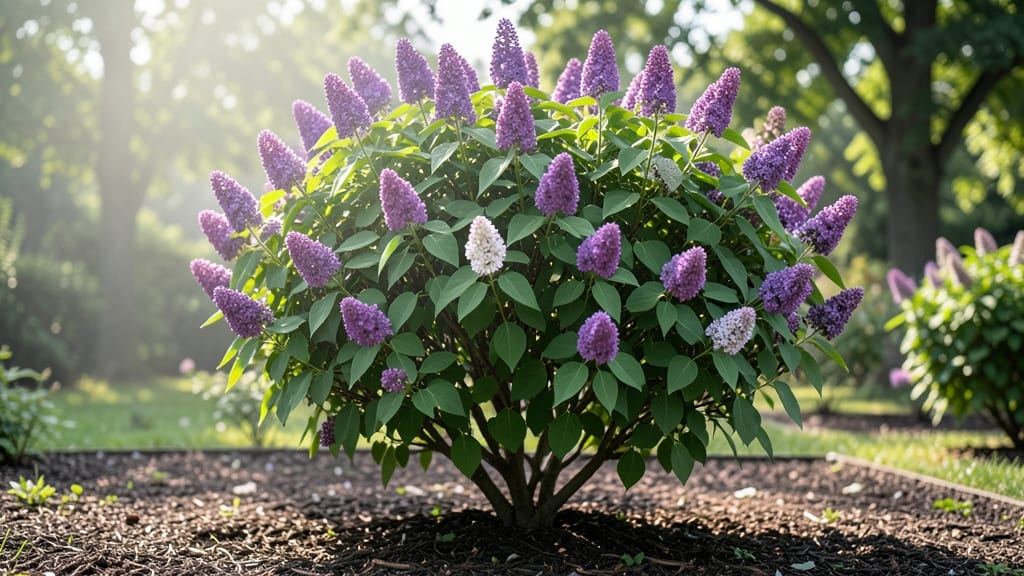
Lilacs flower in late spring, typically between April and May in most regions, but the exact timing depends on your hardiness zone and the variety you’ve planted.
The intoxicating scent of lilacs signals spring’s arrival—but when exactly should you expect those fragrant blooms? Timing varies wildly by hardiness zone, and knowing the right window can mean the difference between a showstopping display and missed blossoms.
In USDA Zone 6a, where lilacs thrive, blooms usually appear around mid-April, though early varieties may start as soon as late March, while late bloomers linger into early June.
Below, I’ll break down the full blooming timeline by zone, how climate and variety shift those dates, and the 5 key signs your lilac 🌸 is ready to burst into color—plus how to encourage longer, healthier blooms.
Lilac flowering timeline by USDA hardiness zones
The lilac flowering timeline shifts dramatically across USDA hardiness zones 3-9, with early bloomers in the South and late bloomers in the North. Understanding these patterns helps you anticipate when to expect those fragrant purple spikes and adjust care accordingly.
Most lilacs bloom in late spring, but varieties and climate create significant variations.
In warmer zones (7-9), lilacs often bloom as early as February or March, while colder zones (3-5) may see blooms delayed until May or June. Regional microclimates—like coastal areas or mountain valleys—can shift these windows by 2-4 weeks.
For example, Southern California lilacs might flower in February, while Minnesota lilacs wait until late May.
Here’s a zone-by-zone breakdown of when to expect lilac blooms, including early, mid, and late varieties:
| USDA Zone | Early Varieties | Peak Bloom Month | Late Varieties | Notes |
|---|---|---|---|---|
| Zones 3-4 | 'Common Lilac' (Syringa vulgaris) | Late May - Early June | 'Dwarf Korean Lilac' | Frost-sensitive; prune after blooms. |
| Zones 5-6 | 'Katherine Havemeyer' | Mid-May - Early June | 'President Lincoln' | Blooms 1-2 weeks earlier than standard. |
| Zones 7-8 | 'Miss Kim' | Early April - Mid-May | 'Bloomerang Lilac' | Reblooms in fall; needs warm winters. |
| Zones 9-10 | 'Arabella' | February - March | 'Lilac Beauty' | Heat-tolerant; may bloom twice yearly. |
In zones 3-4, where winters are harsh, lilacs often wait until after the last frost (typically late May) to bloom. 'Common Lilac' is the most reliable choice here, thriving in full sun and well-drained soil. Prune these bushes immediately after flowering to avoid cutting off next year’s buds.
Gardeners in zones 5-6 enjoy a 2-3 week window for lilac blooms, usually spanning mid-May to early June. Varieties like 'Katherine Havemeyer' (pale purple) and 'President Lincoln' (white) are popular for their early blooming and intense fragrance.
In these zones, late frosts can damage buds, so monitor forecasts and protect young shoots with frost cloth if needed.
Warmer zones 7-8 see lilacs bloom as early as April, with some varieties like 'Miss Kim' (dwarf) and 'Bloomerang' (reblooming) extending the season. 'Bloomerang Lilacs' are unique because they produce two bloom cycles: once in spring and again in fall.
To encourage reblooming, avoid heavy pruning and fertilize lightly in early spring.
In zones 9-10, lilacs often bloom earlier than anywhere else, sometimes as early as February. Varieties like 'Arabella' (deep purple) and 'Lilac Beauty' thrive in heat and humidity, making them ideal for Southern gardens.
These zones may even see fall blooming if temperatures remain mild. Mulch heavily to retain moisture and protect roots from summer heat.
Regional variations matter too! For example, coastal areas (like San Francisco) may have lilacs blooming 2-3 weeks earlier than inland zones due to milder winters. Conversely, mountainous regions (like Colorado) might delay blooms until June because of cooler nights.
Pay attention to local frost dates and adjust planting locations to avoid low-lying frost pockets.
To maximize your lilac’s blooms, plant in full sun and well-draining soil. Water deeply once a week during dry spells, and fertilize lightly in early spring with a balanced 10-10-10 formula.
Prune right after flowering to shape the bush and encourage next year’s blooms. With the right care, your lilac can reward you with weeks of fragrant beauty every year.
🌸
How climate and variety affect lilac blooming times
Lilac blooming times shift dramatically based on your local climate and the specific variety you’ve planted. In warmer southern zones, like Zone 7, lilacs may bloom as early as late March, while in colder Zone 4, expect blooms to arrive in late May.
These shifts happen because lilacs need a period of cold dormancy to trigger flowering, and temperature swings play a critical role in breaking that dormancy.
Even within the same zone, early-blooming varieties like 'Katherine Havemeyer' can appear weeks before late bloomers like 'Dwarf Korean.' Understanding these differences helps you choose the right lilac for your garden and adjust your care routine accordingly.
For example, late bloomers may need extra protection from late frosts, while early varieties might benefit from pruning adjustments to encourage stronger next-year blooms.
- 🌡️ Chill Hours: Lilacs need 600-1,000 hours below 45°F to bloom. Fewer chill hours in mild winters delay blooms.
- ❄️ Last Frost Date: Early varieties bloom 2-3 weeks before late frosts in Zone 5, while late bloomers may appear after frost danger.
- 🌸 Variety Matters: 'Neglecta' blooms in late May-June, while 'Sybille' appears in early April—a 6-week difference!
- ☀️ Spring Warmth: A sudden 60°F+ spell can trigger blooms 2 weeks early, while cool springs delay them.
- 🌳 Microclimates: Lilacs near south-facing walls bloom 10-14 days earlier than those in open yards.
If you’re growing early-blooming lilacs in a zone with late frosts, protect them with frost cloth or choose a sheltered planting spot. For late bloomers, focus on well-draining soil and balanced fertilization in early spring to support robust growth before their delayed bloom time.
I’ve found that 'Purple Plume', a mid-season variety, strikes a balance—blooming in late April to early May across most of the U.S.
Adjusting your care routine based on bloom timing can make a huge difference. For early bloomers, prune immediately after flowering to avoid cutting off next year’s buds. Late bloomers, however, can handle pruning in early summer without sacrificing flowers.
Always prune after blooming to preserve the current year’s display while shaping the bush for next season.
One common mistake is assuming all lilacs bloom at the same time. In my Zone 6a garden, I’ve seen 'Mme. Lemoine' burst into bloom in mid-April, while 'Miss Canada' waits until early June.
Planting a mix of varieties ensures your garden stays fragrant for 6-8 weeks, from late spring into early summer. This diversity also helps pollinators, as bees and butterflies rely on continuous nectar sources.
For gardeners in warmer climates (Zones 8-9), lilacs may even produce a second, lighter bloom in fall if given enough water and fertilizer. In these regions, I recommend mulching heavily in summer to protect roots from heat stress and encourage a second flowering cycle.
Just remember—fall blooms are often less abundant but still delightful!