
Flowers
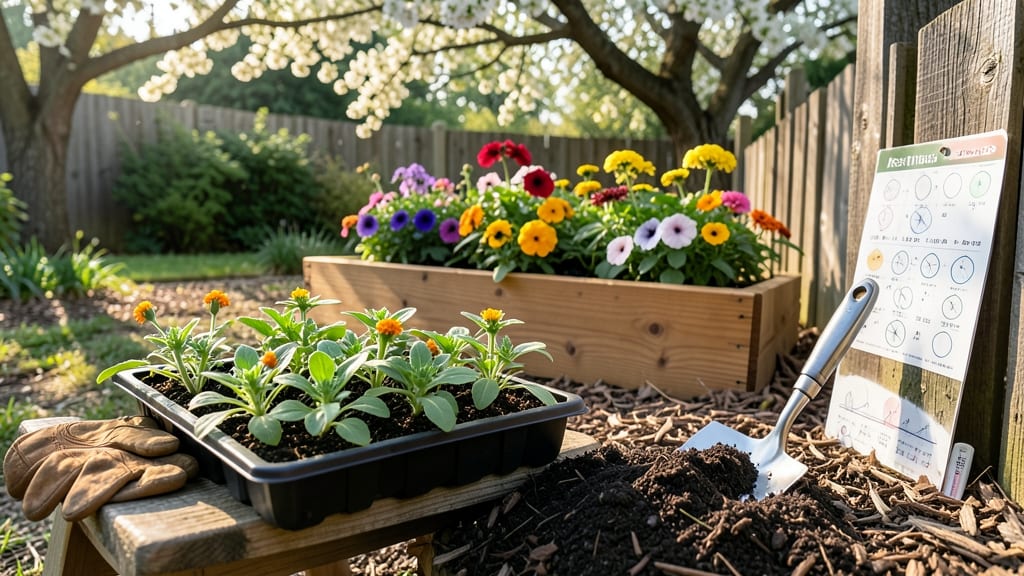
When it is safe to plant flowers in Ohio depends on waiting until after the last frost date—typically mid-April in most regions, but earlier in southern zones and later near Lake Erie.
Ohio’s unpredictable spring weather can leave gardeners guessing—plant too early, and frost will wipe out your blooms; wait too long, and summer heat arrives before your flowers even sprout.
Knowing the exact last frost dates for your Ohio microclimate is the secret to timing your flower planting perfectly. Whether you’re in Zone 6a or a warmer southern county, the right window ensures your 🌸 thrives from day one.
Below, I’ll break down regional frost dates, heat-tolerant varieties, and pro tips to extend your planting season without risking frost damage.
Ohio last frost dates by region: when to plant flowers safely
Ohio’s diverse geography creates microclimates that can shift last frost dates by weeks between regions. In the Appalachian foothills, for example, frost lingers until May 10, while Lake Erie areas often see their last freeze by April 20.
These variations mean your Cleveland garden might be ready for petunias weeks before your Columbus beds. Understanding these patterns helps you avoid frost damage while maximizing bloom time.
Ohio spans USDA Zones 5b to 6b, but local topography plays a bigger role than zone numbers alone. Urban areas like Cincinnati experience urban heat islands that can warm soil faster, while rural valleys stay colder longer.
Even within 10 miles, frost dates can differ by 5-7 days. For accurate timing, check local weather station data from the past 5 years—not just your zip code.
Here’s how Ohio’s 4 key regions break down for flower planting:
| Region | USDA Zone | Avg. Last Frost | Safe Planting Window | Microclimate Notes |
|---|---|---|---|---|
| Northwest (Toledo, Lima) | Zone 6a | April 15–22 | April 25–May 5 | Lake Erie moderates temps; 2–3 days earlier than inland areas. |
| Southeast (Cincinnati, Dayton) | Zone 6b | April 20–28 | May 1–10 | Urban heat islands can push dates 3–5 days earlier. |
| Appalachian (Athens, Zanesville) | Zone 5b–6a | May 5–15 | May 20–June 1 | Valleys stay 5–10°F colder at night; plant high-value beds last. |
| Central (Columbus, Mansfield) | Zone 6a | April 25–May 5 | May 10–20 | Flat terrain = consistent frost risk; monitor soil temps. |
For hardy perennials like coneflowers or black-eyed Susans, you can start seeds 4–6 weeks before your region’s last frost. But tender annuals like geraniums or impatiens need to wait until 2 weeks after the average date.
My Cincinnati garden lost petunias twice by planting in early April—now I wait until May 1 for safety.
Urban gardeners should adjust for concrete and pavement, which absorb heat and can warm soil 2–4°F faster than rural areas. Test your microclimate by planting cold-sensitive flowers (like marigolds) in early April—if they survive, your zone is 1–2 weeks ahead of the average.
In Appalachian valleys, frost can return in May, so keep row covers handy for late bloomers like hollyhocks.
Historical data shows Ohio’s last frost dates have shifted earlier by 3–5 days over the past 30 years, thanks to climate change. However, late-spring freezes (after April 20) are becoming more common.
To hedge your bets, use heat-loving flowers like cosmos or zinnia—they’ll tolerate warmer soil and still bloom by summer. For cool-season flowers (pansies, snapdragons), start indoors in March to get a jump on the season.
If you’re unsure about your exact microclimate, observe local trees: Dogwoods blooming means it’s safe for tender flowers, while oaks still in bud signal frost risk. My Toledo neighbors swear by the “lily of the valley rule”—when these wildflowers bloom, it’s time to plant impatiens.
For high-altitude gardens (like Hocking Hills), add 1–2 weeks to the average frost date due to cooler nights.
Remember: Last frost ≠ last freeze.
Heat-tolerant flowers that thrive when planted early in Ohio
Ohio’s early spring can feel like a race against time—warm days may trick you into planting too soon, only for frost to strike. But the right heat-tolerant flowers can handle this unpredictability while still delivering stunning blooms.
These varieties are cold-hardy enough to survive occasional chilly nights but heat-loving enough to thrive once temperatures rise. The key is choosing flowers that germinate quickly and bolt-resistant types that won’t waste energy struggling in cool soil.
For Ohio gardeners, the ideal planting window for these resilient flowers starts in late April to early May, once the last frost risk has passed in most regions. However, some varieties can even handle early April plantings if you use row covers or cold frames for protection.
Below, I’ve curated a list of 12 top-performing flowers that balance frost tolerance with summer heat resilience, ensuring your garden stays vibrant from spring through fall.
- 1. Cosmos – Thrives in USDA Zones 3-11, germinates in 50°F soil, and blooms 60-75 days after planting. Drought-tolerant once established, making it perfect for Ohio’s unpredictable spring rains.
- 2. Marigolds (French & African) – Survives light frosts and repels pests. Plant 2-3 weeks before last frost for early color. Full sun lovers that handle Ohio’s humidity and heat beautifully.
- 3. Black-Eyed Susan (Rudbeckia) – A perennial powerhouse that tolerates poor soil and drought. Plant seeds indoors in early March or directly in late April for summer-long blooms.
- 4. Zinnias – Fast-growing (6-10 days to germinate) and heat-resistant. Choose dwarf varieties like ‘Thumbelina’ for containers or tall types like ‘Benary’s Giant’ for cut flowers.
- 5. Snapdragons (Antirrhinum) – Cold-hardy down to 25°F and blooms in 60-70 days. Plant seeds indoors in March or directly in late April for spring and fall color.
- 6. Sunflowers (Dwarf & Giant) – Germinates in 60°F soil and tolerates heat and poor soil. ‘Moulin Rouge’ (dwarf) and ‘Russian Giant’ are Ohio-proven for reliability.
- 7. Coneflowers (Echinacea) – Perennial workhorse that survives Ohio winters and blooms from June to October. Plant seeds in fall or spring for best results.
When planting these heat-tolerant flowers, focus on well-draining soil and full sun exposure (6+ hours daily). For Ohio’s clay-heavy soils, amend with compost or sand to improve drainage.
Water deeply once a week after establishment, as most of these varieties hate soggy roots. Mulch with straw or shredded leaves to retain moisture and regulate soil temperature.
Pro tip: Group fast-germinating annuals like marigolds and cosmos with slow-starting perennials like coneflowers. This ensures your garden has continuous color from early summer through frost.
For example, plant cosmos seeds in late April alongside coneflower transplants in May—the cosmos will bloom first, then hand off to the coneflowers as summer progresses.
Ohio’s microclimates mean your last frost date could vary by 2-3 weeks depending on whether you’re near Lake Erie or in the Appalachian foothills. Always check your local USDA Zone (most of Ohio is Zone 5b-6a) and monitor nighttime temperatures.
If a late frost warning appears, cover tender seedlings with frost cloth or a lightweight row cover.
With these heat-tolerant flowers, you’ll enjoy bold blooms without the stress of Ohio’s fickle spring weather. Start with 3-5 varieties to test what thrives in your yard, and expand next year. Your garden will thank you with months of color—even when the forecast is unpredictable! 🌻