
Flowers
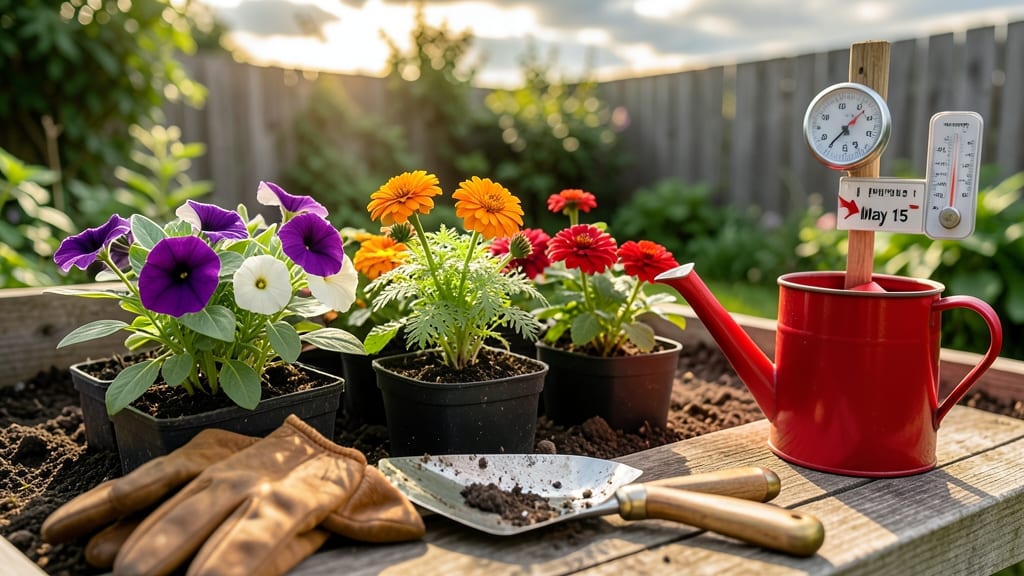
It's safe to plant flowers outside when nighttime temperatures stay above 50°F and the soil reaches at least 60°F—the sweet spot for most blooms to thrive.
Planting flowers too early can leave them vulnerable to frost, while waiting too long risks missing peak bloom season—so how do you know the exact moment to plant? The answer isn’t just about the calendar; it’s about reading your local climate like a pro.
Start by checking your USDA zone and last frost date, but don’t stop there. A simple soil thermometer test (or even your elbow—yes, really!) can confirm whether roots will warm up fast enough for your 🌱 favorites to take hold.
Below, I’ll walk you through three foolproof signs spring is truly ready, plus a soil warmth chart to avoid common mistakes—whether you’re planting annuals, perennials, or those dreamy summer-blooming bulbs.
How to test soil temperature for safe flower planting (with exact degree guidelines)
Soil temperature isn't just about comfort—it's the deciding factor for whether your flowers will thrive or wither. Most flowers need soil to reach at least 60°F (15.5°C) before planting, as cooler temperatures slow root growth and increase disease risk.
A soil thermometer is your secret weapon for pinpointing the perfect moment, especially in regions with unpredictable springs like Zone 5 or Zone 9.
Why does soil warmth matter? Flowers like marigolds and petunias need active root development to establish themselves, which only happens when soil stays consistently above 55°F (13°C) for annuals or 50°F (10°C) for hardy perennials.
Cooler soils can leave roots vulnerable to rot, while waiting too long may delay blooms until summer heat arrives.
Here’s how to test it right: Insert a soil thermometer 2-3 inches deep (about knuckle-deep) in your garden bed. Check temperatures at 10 AM for the most accurate reading—morning dew can skew results.
For container gardens, test the soil in the pot itself, as it warms faster than ground soil.
Pro Tip: If you’re in a cooler climate (Zones 3-6), aim for 55°F (13°C) for cold-hardy flowers like pansies, while Zone 7-10 gardeners can plant tender flowers (e.g., geraniums) once soil hits 65°F (18°C). Always test multiple spots in your garden—shady areas stay cooler than sunny patches.
| Flower Type | Safe Soil Temp (°F) | Notes | Best USDA Zones |
|---|---|---|---|
| Annuals (e.g., petunias, marigolds) | 60°F+ (15.5°C+) | Wait until night temps stay above 50°F (10°C) | Zones 5-10 |
| Perennials (e.g., daylilies, coneflowers) | 50°F+ (10°C+) | Hardy but benefit from warmer soil for faster growth | Zones 3-9 |
| Bulbs (e.g., tulips, daffodils) | 45°F+ (7°C+) | Plant in fall for spring blooms; test soil in early spring | Zones 4-8 |
| Tender Perennials (e.g., canna lilies) | 65°F+ (18°C+) | Wait until after last frost and soil is warm | Zones 7-11 |
| Cold-Hardy Annuals (e.g., pansies, snapdragons) | 40°F+ (4°C+) | Can handle light frosts; plant 2-3 weeks before last frost | Zones 2-10 |
If your soil is still below the ideal temperature, don’t rush—waiting a week or two can make the difference between wilting seedlings and a vibrant garden. For container plants, consider using black plastic mulch or garden fabric to warm the soil faster.
In Zone 5, where springs are famously chilly, I’ve found that planting cold-hardy annuals like stock or sweet alyssum in early May (when soil hits 50°F) gives them a head start.
Another trick? Check the air temperature trends—if daytime highs consistently reach 70°F (21°C) and nights stay above 50°F (10°C), your soil is likely ready. Pair this with the last frost date (find yours here), and you’ve got a foolproof system.
For example, in Zone 9, I plant zinnias in late February when soil hits 65°F, while Zone 3 gardeners should wait until late June for the same results.
Remember, soil temperature fluctuates daily, especially in early spring. Test it 3 days in a row at the same time to confirm consistency.
If your thermometer reads 60°F+ (15.5°C+) for three mornings, your flowers are ready to go in the ground—just be sure to harden off seedlings first if you’re transplanting.
For bulbs like tulips, the rule changes slightly: plant them in fall when soil temps drop to 50-60°F (10-15°C) for optimal root establishment. But for most spring-planted flowers, soil warmth is the golden ticket to a show-stopping season. Happy planting!
🌱✅🌡️
3 Unmistakable signs spring is ready for flowers (beyond the calendar)
Spring’s arrival isn’t just about the calendar—it’s about what your 🌿 landscape is telling you. While last frost dates give a rough estimate, nature often signals readiness weeks earlier.
I’ve learned to watch for these three unmistakable signs that your garden is finally primed for flowers, even if your local weather app says otherwise.
First, pay attention to leafing trees. When maples, oaks, and fruit trees burst into full foliage, it’s a clear sign the ground has warmed enough for most 🌸 varieties. This typically happens 2–3 weeks after the last frost in most regions.
I once planted petunias too early because I trusted the frost date alone—only to watch them wilt when a late cold snap hit. Lesson learned!
- 🌳 Leafing Trees: Full foliage on maples/oaks = soil temps hit 55°F+.
- 🌼 Blooming Weeds: Dandelions and clover = 60°F+ soil and active pollinators.
- 🐝 Insect Activity: Bees buzzing = consistent daytime warmth (ideal for tender flowers like marigolds).
Next, keep an eye on blooming weeds. Dandelions and clover are nature’s 🌻 thermometers—they only flower when soil temperatures hit a consistent 60°F. This is your cue to plant warm-season favorites like zinnias or sunflowers.
I test soil warmth by pressing my elbow into the ground; if it feels comfortably warm (not hot), it’s likely in the 60–65°F range—perfect for most annuals.
Finally, insect activity is the ultimate green light. When bees, butterflies, and even gnats become visible in daylight, you know daytime temperatures are stable. This is especially critical for tender flowers like petunias or geraniums, which need warmth to establish roots quickly.
I once waited until I saw 🐝 honeybees actively foraging before planting my 🌷 containers, and my blooms lasted twice as long!
For cold-hardy flowers like pansies or snapdragons, you can plant as soon as the ground is workable (even with a light frost risk). But for tender varieties, wait until all three signs align—especially if your area has a history of late frosts.
I always cross-check with my local last frost date, but these natural signals have never steered me wrong.
Remember, every garden is unique. If you’re in a microclimate (like a south-facing slope), these signs may appear earlier. Trust your observations, and soon you’ll be rewarded with 🌸 blooms that seem to appear overnight!