
Flowers
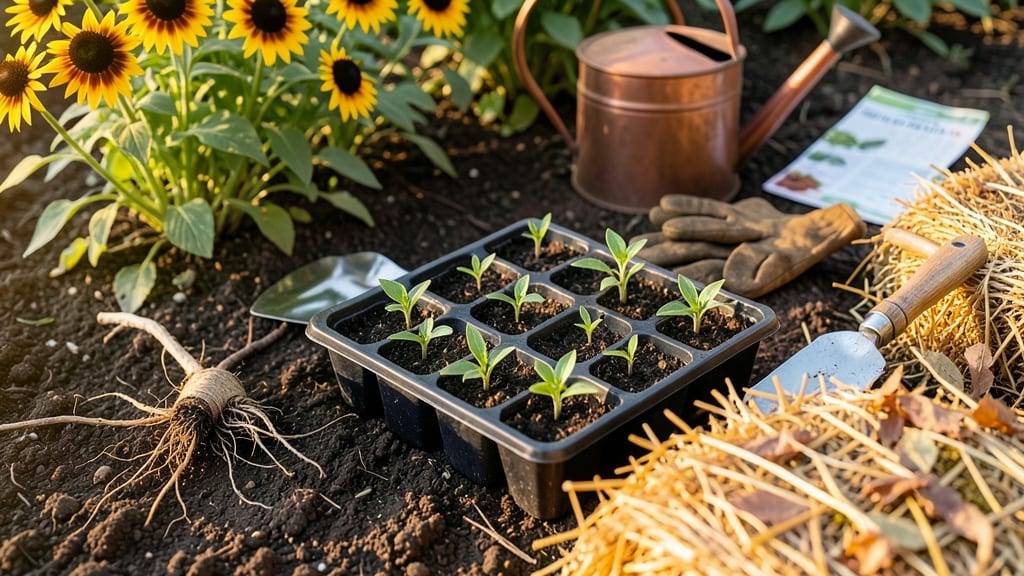
The best time to plant flowers in Ohio is after your last frost—typically late April to early May—or in early fall when soil temperatures drop below 60°F.
Ohio’s unpredictable spring weather can leave gardeners guessing—plant too early, and frost will kill your flowers; too late, and you’ll miss peak blooms. But timing isn’t just about avoiding frost—it’s about aligning with Ohio’s USDA Zones 5-6 for vibrant, long-lasting blooms.
For annuals like marigolds and zinnias, wait until the soil warms and all frost risk has passed. Perennials and bulbs, on the other hand, often thrive when planted in early fall, giving roots time to establish before winter.
In this guide, I’ll break down the exact planting windows for Ohio’s climate, share soil prep tips, and help you avoid common mistakes—so you can enjoy a garden bursting with color all season long.
Ohio flower planting calendar by month: when to plant for maximum blooms
Ohio gardeners know timing is everything—plant your annuals too soon, and a late frost will wipe out your spring blooms. Wait too long, and you’ll miss the peak growing season.
The key is understanding Ohio’s USDA Zones 5-6, where average last frost dates hover around April 15 and first frost arrives October 15. This calendar aligns your planting with Ohio’s climate for vibrant, long-lasting flowers.
Cool-season flowers like pansies and snapdragons thrive when soil temps are 40-50°F, while marigolds and zinnias need 60°F+ soil to sprout. Below, I break down the best times to plant each month, including soil prep tips and microclimate adjustments for Ohio’s varied regions.
🌱 Pro Tip: Use a soil thermometer to check temps before planting—warm-season flowers won’t germinate in cold soil, even if air temps rise. Aim for 60°F+ for marigolds, 55°F+ for petunias, and 50°F+ for cool-season varieties.
In March, focus on cool-season flowers
Top 5 flowers to plant in Ohio by season for year-round color
Ohio’s four distinct seasons offer gardeners a golden opportunity to enjoy vibrant blooms year-round. By selecting the right flowers for each season, you can create a garden that thrives from spring’s first daffodils to late fall’s hardy mums.
The key is choosing native and adaptable varieties that flourish in Ohio’s USDA Zones 5-6, where winters can be harsh and summers humid.
For spring color, focus on early bloomers like tulips and daffodils, which brave the chill and reward you with cheerful displays. Summer demands heat-loving annuals like black-eyed Susans and coneflowers, while fall brings the bold hues of mums and asters.
Even winter isn’t barren—evergreens and hellebores add structure and subtle color when other plants rest.
Here are my top 5 seasonal picks, chosen for their low-maintenance nature, pollinator appeal, and ability to thrive in Ohio’s climate. Each brings something unique to your garden, whether it’s long-lasting blooms, drought tolerance, or shade adaptability.
Spring: Tulips (Early Bloomers)
Plant bulbs in October-November for spring blooms. Choose Darwin Hybrid tulips for Ohio’s humidity. Perfect for full sun to partial shade.
Summer: Black-Eyed Susan (Rudbeckia)
Plant in early spring or fall for drought-resistant blooms. Thrives in full sun and attracts pollinators. Deadhead for extended blooming.
Fall: Mums (Chrysanthemum)
Plant mums in September for fall color. Choose hardy varieties like 'Autumn Joy' for Ohio’s climate. Thrives in partial shade.
Perennial: Coneflowers (Echinacea)
Plant in spring or fall for years of blooms. Thrives in full sun to partial shade and drought conditions. Attracts butterflies.
Winter Interest: Hellebores (Lenten Rose)
Plant in fall for winter blooms. Thrives in shade and humid conditions. Adds color to dormant gardens.
For shade gardens, consider hostas and bleeding hearts, which thrive in Ohio’s wooded areas. If you’re short on time, annuals like impatiens provide instant color with minimal care. The secret to year-round blooms? Staggered planting—combine early, mid, and late-season varieties to ensure continuous color.
My garden in Zone 6a always includes at least one of these five flowers. They’re reliable performers that require little fuss but deliver maximum impact. Whether you’re a beginner or a seasoned gardener, these picks will help you create a vibrant, low-maintenance garden that Ohio’s changing seasons can’t dim.