
Trees
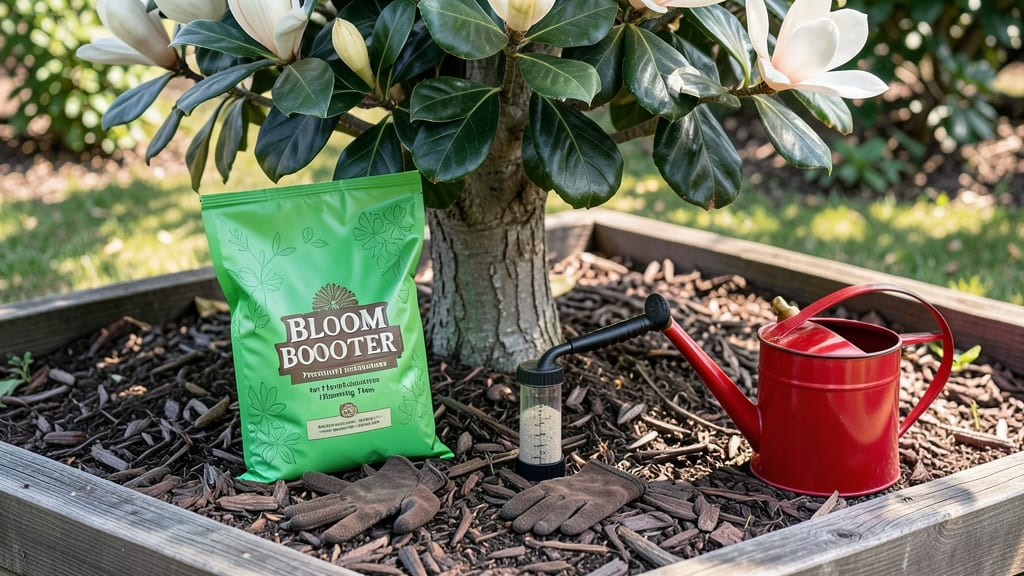
To fertilize flowering trees at the right time means feeding them when they’re ready to bloom — not too early, not too late, but just as those buds start to swell in early spring.
Struggling to keep your flowering trees blooming year after year? Timing your fertilizer application could be the missing link between lackluster leaves and show-stopping blossoms.
Most gardeners know spring is the season for flowering trees 🌸, but the exact moment matters. Feed them too soon, and you’ll encourage leafy growth instead of flowers. Wait too long, and you might miss the window entirely.
In this guide, I’ll break down the perfect timing for fertilizing, whether to use organic or synthetic options, and how to spot the signs of over- or under-feeding so your trees thrive.
Best times to fertilize flowering trees for maximum bloom production
If your flowering trees are putting out half the blossoms they used to, the issue might not be the soil quality—but the timing of your fertilizer applications. Flowering trees like cherry blossoms, crabapples, and magnolias rely on precise nutrient timing to produce their show-stopping displays.
Applying fertilizer at the wrong time can actually reduce blooms or stress your tree, leaving you with sparse flowers instead of lush canopies.
The secret lies in understanding your tree’s natural growth cycle. Most flowering trees need two key fertilization windows: early spring (just as buds begin to swell) and late summer/early fall (to strengthen roots for next year’s blooms).
Skipping either window means missing out on maximum bloom production—and potentially inviting pests or disease by over-fertilizing at the wrong time.
Let’s break down the science-backed timing for fertilizing flowering trees, including how to read your tree’s seasonal cues and adjust for your local climate. Whether you’re dealing with deciduous bloomers like dogwoods or evergreen favorites such as azaleas, these strategies will help you time your fertilizer applications like a pro.
| Seasonal Stage | Optimal Fertilization Time | Key Tree Cues | Fertilizer Type | Application Notes |
|---|---|---|---|---|
| Early Spring (Pre-Bloom) | Late February - Early April | Bud swell begins, leaves start to unfurl | Balanced 10-10-10 or organic (compost/manure) | Apply 4-6 weeks before blooming to fuel flower production |
| Summer (Post-Bloom) | June - Early July | Flowers fade, new leaves harden off | Low-nitrogen (5-10-10) or phosphorus-heavy | Light feeding to strengthen roots for next year’s blooms |
| Late Summer/Early Fall (Root Recharge) | August - Mid-September | Leaf drop begins, 6-8 weeks before frost | Slow-release organic (bone meal, worm castings) | Encourages root growth while avoiding late-season stress |
| Winter (Dormancy) | None | Leaves absent, no new growth | N/A | Tree does not need fertilizer during dormancy |
Timing isn’t just about when you fertilize—it’s also about what you use. In early spring, a balanced fertilizer (like 10-10-10) provides equal parts nitrogen, phosphorus, and potassium to support both foliage and flower development.
However, once your tree starts blooming, shift to a phosphorus-heavy formula (e.g., 5-10-5) to encourage more abundant flowers next season.
For organic gardeners, composted manure or worm castings in early spring work wonders, while bone meal in late summer adds phosphorus for root and bloom development. The key is to match the fertilizer type to your tree’s current needs—don’t just reach for the same bag year-round.
For example, magnolias thrive with a light hand in spring, while crabapples benefit from a slightly higher nitrogen kick to fuel their rapid growth.
One of the biggest mistakes I see is fertilizing after the blooms appear. By then, your tree has already allocated its energy to producing flowers, and late-season fertilizer can lead to soft, weak new growth that’s vulnerable to pests or winter damage.
Instead, focus on root strengthening in late summer—this ensures your tree has the reserves it needs to burst into bloom next spring.
Your local climate plays a huge role in timing. In warmer zones (USDA 8-10), you might extend your fall fertilization window into October, while in colder regions (USDA 4-6), aim to finish by mid-September.
Pay attention to your tree’s leaf color changes and bud formation—these are your best indicators. For instance, if your cherry blossom buds swell in late March where you live, plan to fertilize in early March.
Pro tip: If your tree is newly planted (within the first year), hold off on fertilizer entirely. Young trees need time to establish their root systems, and too much fertilizer can burn delicate roots or attract pests.
Instead, focus on deep watering and mulching to support growth naturally. Once your tree is established (usually after 2-3 years), you can introduce a gradual fertilization schedule.
Finally, don’t forget to test your soil every 2-3 years. A simple soil pH test (aim for 6.0-7.0 for most flowering trees) and nutrient analysis will tell you if your tree needs more micronutrients like iron or magnesium.
For example, yellowing leaves between the veins could signal iron deficiency, while purple-tinged foliage often means phosphorus is lacking. Adjust your fertilizer blend accordingly to keep your tree blooming at its best.
By mastering these two fertilization windows—spring awakening and fall rechargeVibrant, long-lasting blooms that turn heads (and maybe even some neighborly compliments) every season. 🌸
Seasonal fertilizer schedule: spring vs fall nutrient needs for flowering trees
Flowering trees need precise nutrient timing to produce their best blooms, and spring and fall are the critical windows. In spring, focus on pre-bloom feeding to fuel flower production, while fall is about root strengthening for next year's growth.
The wrong timing or nutrients can lead to leafy growth instead of flowers—or worse, stress your tree.
I’ve broken down the exact month-by-month schedule for organic and synthetic fertilizers, including micronutrients like iron and magnesium. Whether you’re growing crabapple trees, magnolias, or dogwoods, these guidelines will help you avoid common mistakes and maximize blooms.
| Season | Best Time | Fertilizer Type | NPK Ratio | Micronutrients | Application Rate |
|---|---|---|---|---|---|
| Spring | Early March-April (bud swell) | Balanced (10-10-10) or organic (compost/manure) | 10-10-10 or 5-5-5 | Iron, magnesium | 1 cup per 10 sq ft (organic: 2-3 inches compost) |
| Late Spring (May-June) | Post-bloom (after flowers fade) | Low-nitrogen (5-10-10) or fish emulsion | 5-10-10 or 3-4-6 | Potassium, phosphorus | ½ cup per 10 sq ft (organic: 1 inch compost) |
| Fall | Late September-October (6 weeks before frost) | Slow-release (organic or synthetic) | 10-10-10 or 8-3-9 | Zinc, manganese | ½ cup per 10 sq ft (organic: 1-2 inches compost) |
| Winter | None (dormant period) | N/A | N/A | N/A | N/A |
For spring fertilization, I recommend starting when you see bud swell—this signals your tree is ready to bloom. Use a balanced fertilizer (like 10-10-10) to encourage both roots and flowers. If your soil is deficient, add a chelated iron supplement to prevent yellowing leaves.
In fall, switch to a slow-release fertilizer to avoid encouraging late-season growth. This helps roots store nutrients for next year’s blooms. Avoid high-nitrogen fertilizers, as they can lead to tender new growth that won’t survive winter.
Micronutrients like magnesium and zinc are often overlooked but critical for flower production. A soil test can reveal deficiencies—address them in early spring with targeted amendments like Epsom salt (for magnesium) or zinc sulfate.
Pro tip: Water your trees deeply before and after applying fertilizer to help nutrients penetrate the soil. Mulch with wood chips or compost to retain moisture and regulate soil temperature—this supports root health year-round.