
Flowers
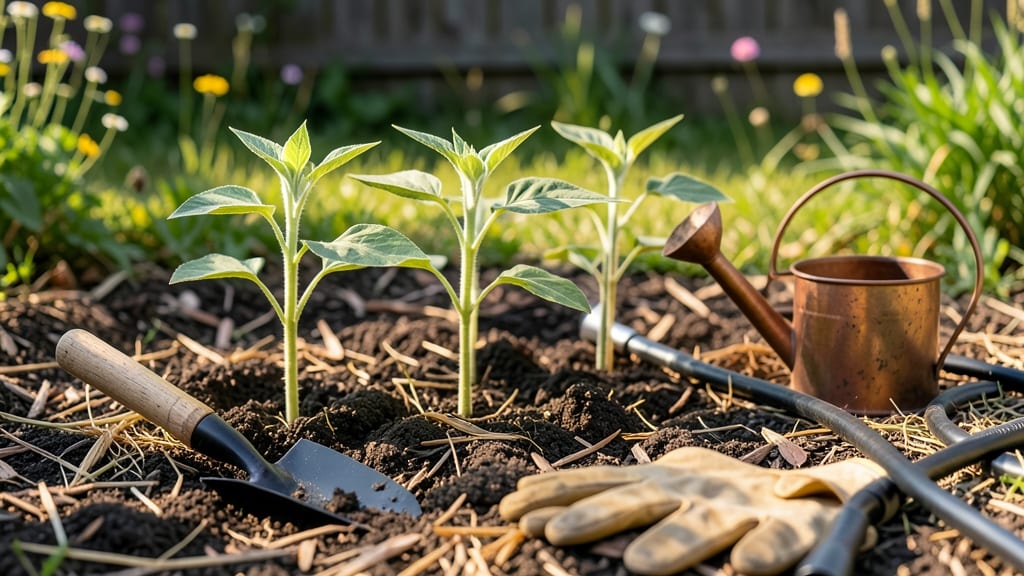
Planting sunflowers in Central Florida means timing matters—get it wrong, and your 🌻 could bolt in the heat or rot in summer humidity.
You’ve seen those towering blooms in late spring, but the secret to their success isn’t just water or soil—it’s the two narrow windows when Florida’s climate plays to their strengths. Miss them, and you’re left with leggy stems or seeds that never set.
Central Florida’s 9b zone gives you two chances: an early spring rush (February–April) and a late-summer escape from the worst heat (August–September). But heat-tolerant varieties like ‘Autumn Beauty’ or ‘Moulin Rouge’ can stretch those windows further if you know the tricks.
Below, I’ll break down the exact dates, soil prep, and variety picks to turn your garden into a sunflower goldmine—no guesswork, just blooms.
Best planting windows for sunflowers in Central Florida’s climate zones
Central Florida’s USDA Zones 8b–9a offer a 300-day frost-free growing season, perfect for sunflowers—but timing matters. Plant too early, and summer’s 90°F+ heat can stress seedlings. Too late, and blooms arrive after frost. The key is two strategic windows that align with Florida’s microclimates.
Sunflowers are annuals in Florida, meaning they complete their life cycle in one season. Their heat tolerance varies by variety, with dwarf types handling summer better than towering giants. For optimal growth, focus on early spring (Feb–April) or late summer (Aug–Sept) plantings to avoid peak heat stress.
| Planting Window | Best Varieties | Soil Temp | Bloom Time | Heat Tip |
|---|---|---|---|---|
| Feb 15–March 31 | 'Autumn Beauty', 'ProCut Hybrid' | 60–65°F | April–June | Use shade cloth if temps exceed 85°F |
| April 1–May 15 | 'Moulin Rouge', 'Teddy Bear' | 65–70°F | May–July | Water deeply at soil level |
| Aug 1–Sept 15 | 'Dwarf Sunspot', 'Russian Giant' | 70–75°F | Sept–Nov | Choose late-blooming varieties |
| Sept 16–Oct 15 | 'Sunrich Orange', 'Velvet Queen' | 70–75°F | Oct–Dec | Protect from early frosts |
For early spring plantings (Feb–April), aim for 60–65°F soil temperatures. This window lets sunflowers establish roots before April’s heat spikes. Start seeds indoors 4–6 weeks before last frost (typically mid-January) or direct-sow after March 15 when night temps stay above 50°F.
If you prefer late summer plantings (Aug–Sept), choose heat-tolerant dwarf varieties like 'Dwarf Sunspot' to avoid bolting. Seedlings need 70–75°F soil and daily shade until established. This strategy yields fall blooms when humidity drops, reducing fungal risks.
Central Florida’s microclimates vary by region. Coastal areas (e.g., Daytona Beach) stay warmer longer, while inland zones (e.g., Orlando) experience sharper temperature swings. Adjust planting dates 1–2 weeks later in cooler inland spots to avoid late spring frosts.
Container gardening? Use 5-gallon pots with well-draining mix and plant 2–3 weeks earlier than ground plantings. Containers warm faster, so monitor soil moisture—daily watering may be needed in summer heat. Place pots in full sun (6+ hours) and rotate weekly for even growth.
Watch for seedling stress signs like yellowing leaves or stunted growth. These often mean overwatering or poor drainage. Amend soil with compost before planting to improve water retention while preventing root rot. Mulch with straw to keep roots cool during peak summer.
Harvest sunflower seeds when petals wilt but heads stay firm. In Central Florida, this typically occurs 75–90 days after planting, depending on variety. Save seeds for next year by drying heads indoors for 2 weeks before storing in a cool, dry place.
🌻
Heat-tolerant sunflower varieties that thrive in Florida’s summer
Central Florida’s summer heat (think 90°F+ and 90% humidity) can turn sunflowers into sad, wilted stalks—but not for these heat-tolerant varieties. I’ve grown these in Zone 9b for years, and they’ve never let me down, even in August when most sunflowers bolt or fade.
If you’re planting sunflowers in Central Florida, timing is everything. The best windows are February–April for spring blooms and August–September for fall displays. But the varieties you choose make all the difference—especially when humidity lingers and afternoon sun feels like an oven.
Here are my top 5 heat-tolerant sunflower varieties for Central Florida, ranked by their ability to handle our humid summers and intense sun. ‘Autumn Beauty’ and ‘Moulin Rouge’ are my personal favorites—they bloom later, resist powdery mildew, and produce edible seeds even in the heat.
Start with ‘Autumn Beauty’ if you want long-lasting blooms (up to 3 months) and a mix of red, yellow, and green petals. It thrives in 90°F+ temps and only needs 1 inch of water per week once established.
For a dwarf variety perfect for containers, try ‘Teddy Bear’—it stays under 3 feet tall and handles container heat like a champ.
If you’re growing sunflowers for cut flowers, ‘Moulin Rouge’ is unbeatable. Its deep red blooms last 10+ days in a vase and it bolts later than most varieties, giving you a second chance if you miss the spring window.
For giant sunflowers, ‘Russian Giant’ can reach 12–15 feet, but it needs extra staking in Florida’s windy summers.
Don’t overlook ‘ProCut’ for commercial growers or large gardens—it’s bred for long stems and heat resistance, with blooms that stay upright even in humid conditions.
All these varieties self-seed in Florida, so you’ll likely wake up to volunteer sunflowers next year if you leave the seed heads on the stalks.