
Flowers
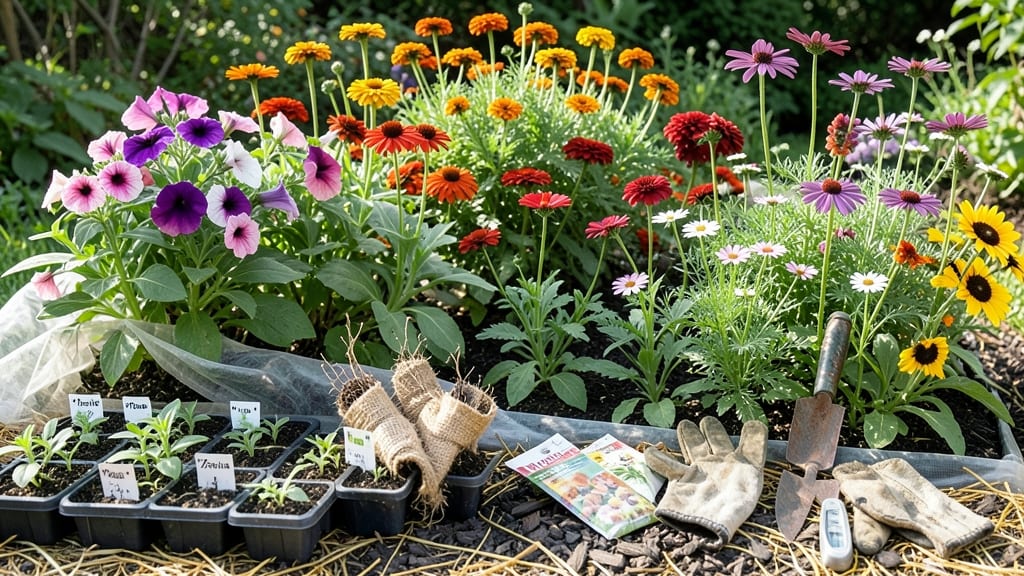
Planting flowers in Delaware happens between March and May for spring blooms and September to October for fall varieties, aligning with the USDA 7b zone’s frost-free windows.
Timing is everything in Delaware’s unpredictable spring weather—plant too early and risk frost damage, too late and miss peak blooms. This USDA Zone 7b guide reveals the exact planting windows for annuals, perennials, and bulbs to ensure vibrant gardens all season long.
Whether you’re sowing seeds for pansies in early spring or transplanting daylilies in fall, knowing when to plant makes the difference between a thriving garden and a struggle. I’ll walk you through the best months, frost-free dates, and soil prep to get your 🌸 blooming on schedule.
By the end, you’ll know not just when to plant but how to adjust for Delaware’s microclimates—coastal breezes, inland heat, and those sneaky late frosts. Let’s get your garden growing the right way.
Delaware’s best flower planting calendar by type
Delaware’s USDA Zone 7b climate creates unique challenges for gardeners—late frosts can linger until mid-April, while coastal areas like Rehoboth Beach often warm up 1-2 weeks earlier than inland regions.
To maximize blooms, align your planting with Delaware’s microclimates and flower types. Annuals, perennials, and bulbs each have optimal windows, and container gardens offer flexibility for cooler months.
For coastal Delaware, start annuals like pansies and snapdragons as early as late February under row covers.
Inland gardeners should wait until mid-April for frost-sensitive varieties. Perennials like daylilies and coneflowers thrive when planted in early spring or fall, while spring-blooming bulbs (tulips, daffodils) need autumn planting for next year’s color.
Use this month-by-month guide to time your plantings perfectly, adjusting for Delaware’s 165 frost-free days and humidity variations. Whether you’re filling containers or designing borders, these windows ensure continuous blooms from spring through fall.
Apr 15 - May 10 (direct)
May 1 - May 15 (direct)
Delaware’s coastal microclimate near Wilmington often allows for earlier plantings, but inland areas like Newark may experience late frosts until May 1. For container gardens, extend the season by using heat-tolerant varieties like portulaca or lantana, which thrive in full sun and drought conditions once established.
Don’t overlook fall planting—September and October are perfect for perennials and spring-blooming bulbs. The soil stays warm longer, giving roots time to establish before winter. Add compost to improve drainage, especially in clay-heavy soils common in northern Delaware.
For annuals, prioritize direct sowing after the last frost (typically April 15–May 1).
If you’re eager for color, start slow-germinating seeds like snapdragons indoors in February using a grow light. Fast growers such as marigolds and zinnias can be sown directly after Memorial Day for summer-long blooms.
Pro tip: Use row covers to protect tender seedlings in early spring. These lightweight fabrics raise soil temps by 5–8°F, accelerating growth without risking overheating. Remove covers during the day once plants are 2–3 inches tall to harden them off.
Container gardens offer the most flexibility—plant pansies and violas as early as February
How to adjust planting for Delaware’s frost risks
Delaware’s Zone 7b climate brings beautiful springs—but also late frosts that can devastate tender flowers. The average last frost date falls between April 15 and May 1, meaning your pansies or petunias might still face danger if planted too early.
I’ve learned the hard way that even hardy varieties need protection during these unpredictable weeks.
To succeed, focus on three key strategies: hardening off seedlings, using protective covers, and selecting cold-tolerant varieties. These methods have helped my geraniums and marigolds thrive despite Delaware’s chilly surprises. Let’s dive into how to shield your blooms from frost while maximizing your garden’s potential.
Never plant frost-sensitive flowers (like impatiens or begonias) before May 1. Even hardy perennials can suffer if nighttime temps drop below 28°F. Check your local microclimate—coastal areas (like Rehoboth) warm faster than inland Wilmington.
Start by hardening off seedlings 7–10 days before outdoor planting. Move them to a shady, sheltered spot for a few hours daily, gradually increasing exposure. This mimics outdoor conditions and strengthens their cell walls.
I use frost cloth during this transition to add an extra layer of protection while they adjust.
For tender annuals, invest in floating row covers or hoop houses to trap heat. These lightweight fabrics raise temperatures by 5–8°F and shield plants from 28°F frosts. My tomato plants (yes, even flowers!) stay safe under these covers until late May. Remove them during the day to prevent overheating.
Choose cold-hardy varieties like pansies, snapdragons, or stock flowers, which tolerate 25–28°F temps. These thrive in early spring and often rebloom after frost. For bulbs, plant tulips and daffodils in fall (October–November)—they’ll naturalize and return year after year, outlasting many annuals.
Monitor frost forecasts using apps like Old Farmer’s Almanac or your local Cooperative Extension Service. If frost is predicted, cover plants with blankets or cardboard (yes, even old towels work in a pinch!).
Water the soil before freezing temps hit—moist soil retains heat better than dry soil and protects roots.
With these adjustments, your Delaware garden can bloom beautifully despite the risks. Start with hardy perennials in early spring, add frost protection for tender plants, and always check those frost dates before committing to new seedlings. Your garden will thank you with vibrant, long-lasting color all season long. 🌷