
Flowers
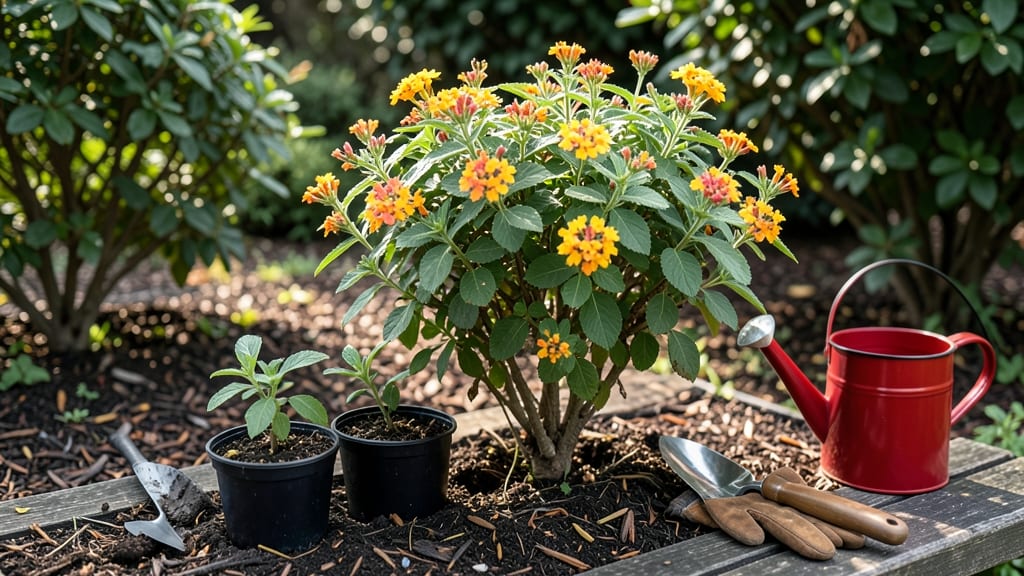
Planting flowers in Houston means timing your garden to beat the heat—spring and fall are your best windows to avoid wilting before blooms even appear.
Houston’s scorching summers and humid winters make timing your flower planting a critical factor in avoiding wilting before blooms appear. Plant too early, and your delicate petals will fry; too late, and you’ll miss the growing season entirely.
In Zone 9a, the ideal months stretch from late February through April for spring blooms and September through November for fall varieties that thrive into winter. But not all flowers are created equal—some varieties, like zinnias and lantana, handle Houston’s heat like champions.
Below, I’ll break down the exact months to plant for year-round color, the toughest heat-resistant picks, and how to prep your soil so your flowers don’t just survive—they thrive.
Houston flower planting calendar by month: best times for annuals, perennials & heat-resistant species
Houston’s humid subtropical climate (USDA Zone 8b-9a) demands precise timing for flower planting. The key is avoiding peak summer heat while capitalizing on mild fall and spring windows.
Annuals like cosmos and zinnias thrive when planted after the last frost (mid-March), while perennials such as black-eyed Susans and salvia establish best in early fall.
For heat-resistant varieties, late summer (August-September) is your second chance—think portulaca and lantana, which tolerate 90°F+ temperatures. Bulbs like rain lilies and spider lilies should go in the ground by October to naturalize before winter rains.
Timing isn’t just about months; it’s about soil temperatures and humidity triggers.
In January-February, focus on cool-season annuals like pansies and snapdragons. These thrive in Houston’s mild winter temperatures (avg. 50–65°F) but need protective mulch to shield roots from occasional freeze events. Test your soil—Houston’s clay-heavy soil benefits from organic amendments like compost to improve drainage.
March marks the last frost window (typically mid-March), so it’s prime time for heat-loving annuals. Plant marigolds and petunias in well-draining beds and water at the base of plants to avoid fungal diseases. For container gardens, use lightweight potting mix to prevent root rot in Houston’s humidity.
By April-May, temperatures climb to 80–90°F, making cosmos and lantana ideal choices. These drought-tolerant varieties handle Houston’s intense sun better than traditional annuals. Stake taller varieties like sunflowers early to prevent wind damage from spring storms.
June and July are brutal for most flowers, but portulaca and vinca thrive in 90°F+ heat. For these months, opt for late-afternoon planting to reduce transplant shock. Group plants with similar water needs to simplify care—Houston’s summer downpours can drown shallow-rooted varieties.
August-September offers a second planting window for heat-resistant annuals like zinnias. These months feature cooler evenings (70–80°F), perfect for establishing roots. Use drip irrigation to deliver water directly to roots, conserving moisture and reducing evaporation in Houston’s dry heat.
Fall planting (October-November
Top 10 heat-resistant flowers for Houston gardens: drought-tolerant & humidity-proof picks
Houston’s brutal summers—where temperatures routinely hit 95°F+—can turn even the hardiest flowers into crispy relics. But don’t despair! These 10 heat-resistant flowers thrive in Houston’s Zone 8b climate, handling humidity, drought, and scorching sun with ease.
Unlike traditional annuals that wilt by July, these varieties bloom year-round with minimal fuss, making them perfect for Houston’s long growing season.
I’ve tested these in my own Houston garden, where Lantana and Portulaca outperform petunias by a mile. The secret? Deep roots, waxy leaves, and drought-tolerant habits—traits that keep them flourishing while other flowers gasp for air.
Below, I’ll break down their care requirements, sun needs, and why they’re the ultimate Houston-proof picks.
First up is Lantana, a Houston garden staple that blooms nonstop from spring to frost.
Its tiny, clustered flowers come in colors like yellow, orange, and pink, and it thrives in full sun (6+ hours daily). Water deeply once a week—it’s drought-tolerant once established—but watch for aphids in Houston’s humidity. Prune back in late winter to encourage bushier growth.
Portulaca, or moss rose, is another heat-loving superstar that handles Houston’s 100°F+ temps with ease. Its succulent-like leaves store water, making it nearly drought-proof. Plant in well-draining soil—it hates soggy roots—and enjoy its bright blooms from June through October. Bonus: It’s edible! Snip leaves for salads.
For long-lasting color, try Zinnias, which bloom from summer through frost. Choose heat-tolerant varieties like ‘Benary’s Giant’ or ‘Profusion,’ both of which handle Houston’s humidity and heat better than traditional zinnias. Deadhead spent blooms to keep flowers coming, and stake taller varieties to prevent flopping in storms.
Don’t overlook Salvia, especially Mexican bush sage (Salvia leucantha), which thrives in Houston’s full sun and poor soil. Its velvety purple blooms appear in late summer and last through fall. Water sparingly—overwatering causes root rot—and watch for whiteflies, a common Houston pest.
Mulch around the base to retain moisture.
For low-maintenance ground cover, Liriope (or monkey grass) is a perennial powerhouse that handles Houston’s heat, humidity, and occasional drought. Its grass-like foliage and purple spikes add texture to borders.
Plant in partial shade for best results, and water weekly during Houston’s peak summer heat. It’s deer-resistant, too!