
Flowers
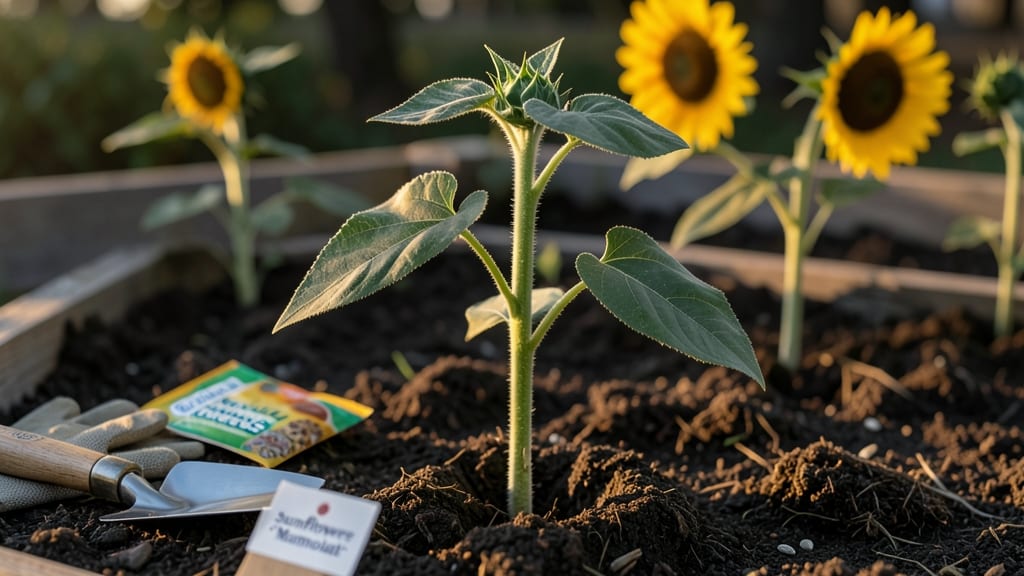
Plant sunflowers in Florida between mid-February and early April for the best blooms 🌻 — timing that beats the heat and humidity while avoiding early-season frosts.
If you’ve ever watched sunflowers wilt under Florida’s midday sun or bolt before they even open, you know timing is everything. The key is starting them when soil temperatures hit 60°F but before the 90°F+ heat sets in.
North Florida gardeners should aim for late March, while South Florida’s longer growing season lets you plant as early as January or even late summer for fall blooms. Heat-resistant varieties like ‘Autumn Beauty’ thrive in these windows, giving you vibrant flowers without the stress.
Below, I’ll break down the exact months for your region, the top sunflower picks for Florida’s climate, and how to keep them happy from seed to bloom.
Best planting months for sunflowers in Florida: exact timing by region
Sunflowers love Florida’s long growing season, but timing is everything to avoid heat stress or premature bolting. Florida’s three distinct regions—North, Central, and South—each have unique microclimates that dictate the perfect planting window.
In North Florida, cooler springs mean you’ll plant earlier, while South Florida’s year-round warmth allows for multiple planting cycles. Let’s break down the exact months and strategies for each zone to ensure your sunflowers thrive.
For North Florida (USDA Zones 8a-9a), the last frost date typically falls between mid-February and mid-March, but soil warmth is the real trigger. Aim to plant direct-sown seeds as soon as the soil reaches 60°F (15°C)—usually late March to early April.
Starting seeds indoors in February gives you a head start, especially for tall varieties that need more time to mature before summer’s intense heat arrives.
In Central Florida (USDA Zones 9b-10a), you’ve got more flexibility. The ideal window stretches from mid-February to early May, with March and April being the sweet spot. This region avoids frost entirely, so you can plant year-round, but summer heat (June-August) can stress young seedlings.
For fall blooms, sow seeds again in late August to early September to beat the worst of the humidity.
South Florida (USDA Zones 10b-11) is the most forgiving—you can plant any month, but peak summer (June-August) is risky due to high humidity and intense sun. Focus on spring (February-April) and fall (September-October) for the best results. Heat-tolerant varieties like ‘Autumn Beauty’ or ‘Moulin Rouge’ handle South Florida’s climate best when planted in early spring to avoid bolting.
| Region | Best Planting Window | Soil Temp Requirement | Avoid Planting | Key Tip |
|---|---|---|---|---|
| North Florida | Late March–Early April OR Start indoors February |
60°F (15°C)+ | Before last frost (Feb) | Use black plastic mulch to warm soil faster. |
| Central Florida | Mid-February–Early May OR Late August–Early Sept (fall) |
55°F (13°C)+ | June–August (peak heat) | Choose dwarf varieties for container gardening. |
| South Florida | February–April OR September–October |
65°F (18°C)+ | July–August (humidity stress) | Plant in partial shade during summer months. |
Direct sowing is the easiest method for sunflowers, but if you’re starting seeds indoors, use biodegradable pots to transplant seedlings without disturbing roots. Harden off seedlings for 7-10 days before moving them outdoors, especially in North Florida, where temperature swings can shock young plants. Central and South Florida gardeners can skip hardening if planting during mild weather, but always monitor for heat stress (wilting or yellowing leaves).
Sunflowers need full sun (6+ hours daily), but in South Florida’s peak summer, provide afternoon shade to prevent leaf scorch.
Use drip irrigation to keep soil moist—overhead watering can spread fungal diseases like powdery mildew, which thrives in Florida’s humidity. Mulch with straw or wood chips to retain moisture and regulate soil temperature, especially in North Florida’s cooler springs.
Watch for bolting—when sunflowers flower too quickly due to heat or drought stress. If your plants shoot up tall stems with no blooms, they’ve bolted.
To prevent this, water deeply 2-3 times per week and avoid planting during heat waves (like July in Central Florida). Succession planting—sowing seeds every 2-3 weeks—ensures continuous blooms from spring to fall, even in the same region.
For fall harvests, plant in late summer (August-September) to take advantage of cooler temperatures and longer daylight.
Sunflowers grown for seeds (not just flowers) need full maturity, so avoid late-season plantings if your variety takes 90+ days to harvest. North Florida gardeners can extend the season by planting heat-tolerant varieties like ‘ProCut’ or ‘Russian Giant’ in early spring for late-summer blooms.
Remember, Florida’s hurricane season (June-November) can disrupt planting. If a storm is forecasted, cover young seedlings with frost cloth or burlap sacks to protect them from wind damage. After the storm, replenish mulch and fertilize lightly to help plants recover.
With the right timing and care, your sunflowers will reward you with vibrant blooms and even edible seeds—all while beating Florida’s quirks! 🌻
Top 5 heat-resistant sunflower varieties for Florida gardens
Florida’s humid heat and intense sunlight can overwhelm many sunflower varieties, but these heat-resistant picks thrive in our climate. They boast drought tolerance, bold blooms, and longer vase life—perfect for Florida’s 90°F+ days.
When selecting varieties, prioritize those with deep root systems and thick foliage to handle humidity. The Autumn Beauty series, for example, transitions from yellow to rust, while Moulin Rouge delivers dramatic deep red blooms that stand out against Florida’s green backdrop.
Here’s how these top 5 varieties stack up for heat tolerance, bloom time, and maintenance ease—plus their ideal planting windows to align with Florida’s spring and fall seasons.
The ‘Moulin Rouge’ sunflower is a Florida favorite for its deep burgundy blooms that attract pollinators like hummingbirds. It matures in 75-85 days, making it ideal for spring plantings (March-April) when soil is warm but before peak summer heat arrives.
For multi-season color, try ‘Autumn Beauty’, which shifts from yellow to orange to rust. This dwarf variety (3-5 ft tall) thrives in containers or borders and handles South Florida’s humidity better than tall varieties. Plant it in late summer (August-September) for fall blooms.
‘Teddy Bear’ sunflowers are compact and heat-tolerant, perfect for small spaces or urban gardens. Their golden-yellow petals and brown centers resemble teddy bears, and they bloom in 60-70 days. Sow them in February-March for early summer flowers.
If you want giant blooms that still handle heat, ‘Russian Giant’ is a top pick—though it needs extra space (10+ ft tall). Its large, golden flowers (12+ inches wide) thrive with consistent moisture but tolerate brief dry spells. Plant in March-April for summer harvests.
Finally, ‘ProCut’ sunflowers are cut-flower champions with long stems and vase life up to 2 weeks. They bloom in 70-80 days and handle Florida’s heat well when given well-draining soil. Ideal for cutting gardens, plant in February or September for staggered blooms.