
Flowers
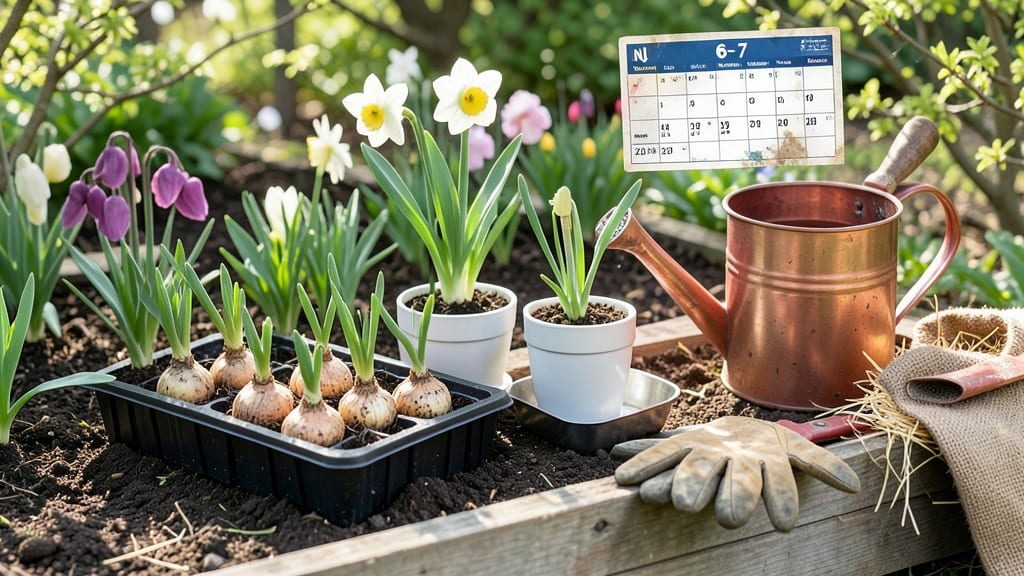
Planting flowers in New Jersey at the right time means catching that narrow window between last frost and summer heat—usually between mid-April and early June for most of the state.
New Jersey’s unpredictable spring weather can turn your flower planting plans into a guessing game—unless you follow the Zone 6b deadlines that guarantee vibrant blooms year after year.
Get it wrong, and you’ll either lose tender seedlings to a late frost or watch your annuals wilt under July’s humidity before they even bloom. The key?
Knowing your region’s last frost date—whether you’re in North Jersey’s cooler hills or South Jersey’s milder coastal areas—and adjusting your schedule for bulbs, perennials, and heat-loving petunias.
In this guide, I’ll break down the exact planting months for every type of flower, plus pro tips to stretch your season without risking frost damage. No more second-guessing—just a foolproof timeline for a garden that bursts into color.
New Jersey’s Zone 6b flower planting deadlines by season (with frost risks)
New Jersey’s Zone 6b climate means your flower planting success hinges on timing—especially when last frost dates can vary by 1-2 weeks between North and South Jersey. Miss these windows, and you risk frost damage or stunted growth.
Whether you’re planting annuals like petunias, perennials like daylilies, or spring bulbs like daffodils, this guide keeps your blooms on track.
North Jersey’s average last frost date is around April 15, while South Jersey often sees April 22-29. But don’t rely on averages—monitor local forecasts and use frost cloth for early plantings.
For heat-loving annuals, wait until May 15 in North Jersey to avoid late spring frosts that can kill tender seedlings.
Key deadlines for each flower type:
| Flower Type | North Jersey Deadline | South Jersey Deadline | Frost Risk | Notes |
|---|---|---|---|---|
| Spring Bulbs (Daffodils, Tulips) | Oct 15–Nov 15 | Nov 1–Nov 30 | Low (after planting) | Plant 6 weeks before ground freezes. |
| Early Perennials (Daylilies, Coneflowers) | April 1–April 15 | April 15–April 30 | Moderate (use frost cloth) | Hardy to -10°F; mulch after planting. |
| Annuals (Petunias, Marigolds) | May 1–May 15 | April 22–May 1 | High (tender seedlings) | Start indoors 6–8 weeks before last frost. |
| Fall Planting (Pansies, Snapdragons) | Aug 15–Sept 15 | Sept 1–Sept 15 | Low (cooler temps) | Avoid first frost (Oct 15–Nov 1). |
For spring bulbs, like daffodils and tulips, planting in fall (October–November) ensures they bloom early before summer heat sets in. These bulbs need 6–8 weeks in the ground before winter to establish roots.
In North Jersey, aim for October 15–November 15, while South Jersey gardeners can push it to November 30.
When planting perennials like daylilies or black-eyed Susans, early spring is ideal. These hardy plants thrive when soil temperatures hit 50°F. In North Jersey, that’s typically April 1–15, while South Jersey can wait until April 15–30.
Use mulch to protect roots from late frosts that can linger into May.
Annual flowers, such as petunias and marigolds, are the most frost-sensitive. Wait until after May 1 in North Jersey and April 22 in South Jersey to plant them outdoors. For a head start, sow seeds indoors 6–8 weeks before your region’s last frost date. Harden off seedlings by placing them outdoors for 2–3 hours daily starting 2 weeks before transplanting.
Fall planting offers a second chance for cool-season annuals like pansies and snapdragons. These flowers handle light frosts and even thrive in cooler weather.
Plant them 8–10 weeks before your first frost, which in North Jersey is around October 15–November 1 and October 30–November 15 in South Jersey. Avoid planting too
How to adjust planting times for New Jersey’s microclimates (coastal vs. inland)
New Jersey’s coastal regions like Cape May enjoy 3-4°F warmer springs than inland areas like Morris County, creating planting windows that can differ by 2-3 weeks. This microclimate shift means your coastal petunias might thrive when inland gardeners still face frost risk.
Understanding these differences lets you plant with confidence and avoid common pitfalls like heat-stressed seedlings or late-season frosts.
The Atlantic Ocean’s moderating effect delays last frost dates in coastal areas by 10-14 days compared to inland zones. For example, while inland gardeners should wait until May 15 to plant tender annuals, coastal gardeners can start April 25 without frost risk.
This timing shift also affects bulb planting—coastal gardeners can plant tulips in November, while inland areas should wait until mid-December.
Here’s how to adjust your planting schedule based on your microclimate:
For coastal gardeners, prioritize heat-loving annuals like portulaca and lantana, which thrive in the warmer, humid summers near the shore. These varieties can handle direct sunlight and salt spray, making them perfect for Cape May’s coastal gardens.
Start these indoor in late March to give them a head start before transplanting outdoors after May 1.
Inland areas should focus on cold-hardy perennials like coneflowers and black-eyed Susans, which tolerate Morris County’s cooler nights and shorter growing seasons. These plants establish roots early and rebloom reliably each year.
For annuals, opt for zinnias or marigolds, which handle inland heat waves better than coastal-sensitive varieties.
Pro tip: Use local frost data from the Rutgers NJAES Weather Station to fine-tune your schedule. For example, if you’re in central NJ, check Trenton’s frost records—they often fall between coastal and inland averages.
Adjust your seed-starting dates by 1-2 weeks based on these local trends to ensure your flowers bloom at their peak.
Remember, soil warmth matters just as much as air temperature. Test your soil with a soil thermometer—coastal areas hit 60°F by late April, while inland soils may not warm until mid-May.
Planting too early in cool soil delays germination and invites rot diseases. Wait until soil reaches 55°F for most flowers and 65°F for heat-loving varieties.