
Flowers
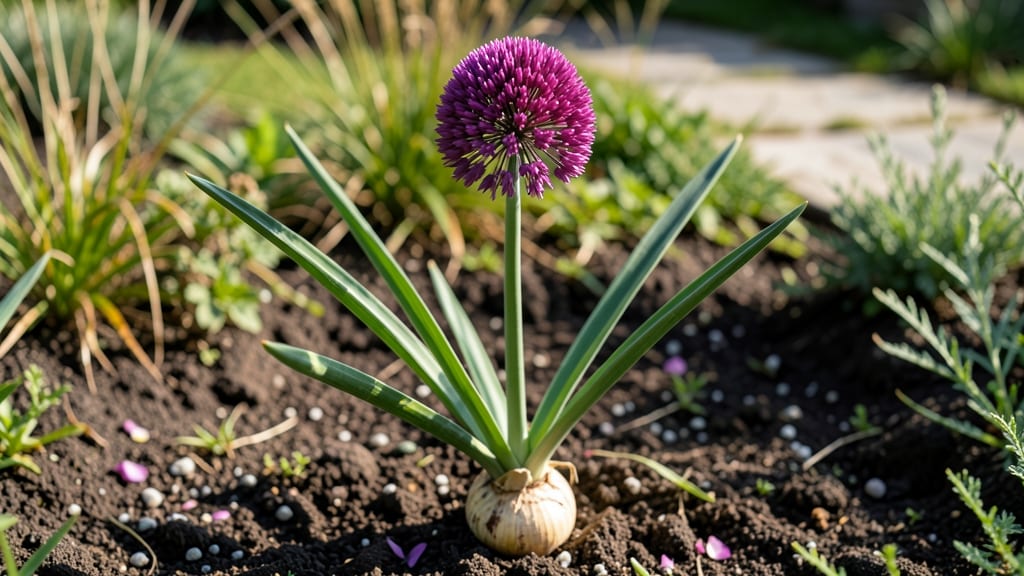
Allium flowers bloom in spring and early summer, with timing that depends on your variety and zone—some burst into color as early as April, while others wait until June.
Picture this: you’ve just tucked those papery bulbs into the soil in March or April, and suddenly, 🌸—up shoot those dramatic globes of purple, white, or pink. But here’s the catch: not all alliums play by the same rules.
A giant allium might take its sweet time, while a dwarf allium could surprise you with early blooms.
Your hardiness zone matters too—gardeners in Zone 6a and colder can expect blooms to arrive a few weeks earlier than those in warmer climates. Meanwhile, heat-loving varieties might stretch their season into early July, giving you a longer show.
Below, I break down the exact months for 12 top varieties, how to adjust for your zone, and simple tricks to coax even more blooms from your garden. No guesswork, just stunning results.
Allium bloom times by popular variety: month-by-month guide
If you've ever planted alliums hoping for those dramatic purple globes to appear by spring, you know timing can be tricky. Some varieties burst into bloom as early as late April, while others wait until June or July.
The secret lies in choosing the right allium variety for your garden's timeline. Below, I’ve organized 12 top varieties by bloom season, so you can plan your garden like a pro.
Early bloomers like Allium moly (lambs’ ears) often appear in April or May, while late-season stars like Allium giganteum (giant allium) might not peak until June or July. Your USDA hardiness zone also shifts these dates—northern gardeners see blooms earlier, while southern climates may delay them slightly.
Let’s dive into the specifics so you can match varieties to your garden’s schedule.
| Variety | Bloom Months (Zone 6a) | Height | Color | Visual Cue | |||||||||||||||||||
|---|---|---|---|---|---|---|---|---|---|---|---|---|---|---|---|---|---|---|---|---|---|---|---|
| Allium moly (Lambs' Ears) | April–May | 6–12" | Yellow | Star-shaped blooms | |||||||||||||||||||
| Allium schubertii | May–June | 18–24" | Purple | Pincushion-shaped | |||||||||||||||||||
| Allium sphaerocephalon (Drumstick) | June–July | 12–18" | Purple | Round, dense clusters | |||||||||||||||||||
| Allium giganteum (Giant) | June–July | 36–48" | Purple | Massive globe blooms | |||||||||||||||||||
| Allium christophii | May–June | 12–18" | Purple | Starburst shape | |||||||||||||||||||
| Allium roseum (Pink Star) | May–June | 12–18" | Pink | Delicate star blooms | |||||||||||||||||||
| Allium karataviense | June–July | 18–24" | Purple | Flat-topped clusters | |||||||||||||||||||
| Allium senescens (Mountain) | June–July | 24–36" | Purple | Umbel-shaped | |||||||||||||||||||
| Allium moly 'White Lady' | April–May | 6–12" |
How climate zones affect allium flowering: USDA zone adjustmentsYour USDA hardiness zone is the secret code to predicting when your allium flowers will burst into bloom. A Zone 3 gardener might see April blooms, while Zone 9 gardeners could enjoy June displays. These differences aren’t just about timing—they’re about which varieties thrive in your climate and when they’ll reward you with those iconic globe-shaped flowers. Cold-hardy alliums like Allium cristophii (purple garlic chives) often bloom 2-4 weeks earlier in northern zones because they emerge as soon as soil thaws. Meanwhile, heat-tolerant varieties like Allium moly (golden lambs' ears) stretch their season into early July in southern climates, where cooler springs delay their growth. Below, I’ve mapped out how to adjust your bloom timing predictions based on your zone, plus the best varieties for each climate range. This way, you can plan your garden layout to ensure continuous color from April through July.
If you’re in Zone 3-5, focus on cold-hardy alliums like Allium giganteum (giant allium) or Allium cristophii (purple top allium). These varieties emerge early and bloom reliably in May, often lasting until early June. Their deep roots tolerate freezing temperatures, so they’re perfect for northern gardens where spring arrives late. For Zone 6-8, mix early bloomers like Allium moly (golden star) with mid-season varieties like Allium schubertii (drumstick allium). This combo ensures blooms from May through July, giving you a longer display. In Zone 9-11, heat-tolerant alliums like Allium sphaerocephalon (ball allium) thrive, often blooming as late as early August. Pro tip: In warmer zones, plant in partial shade to prevent premature wilting. In cooler zones, mulch heavily to protect bulbs from late frosts and encourage earlier emergence. With these adjustments, you’ll turn your garden into a bloom bonanza from spring to summer! 🌷 |