
Flowers
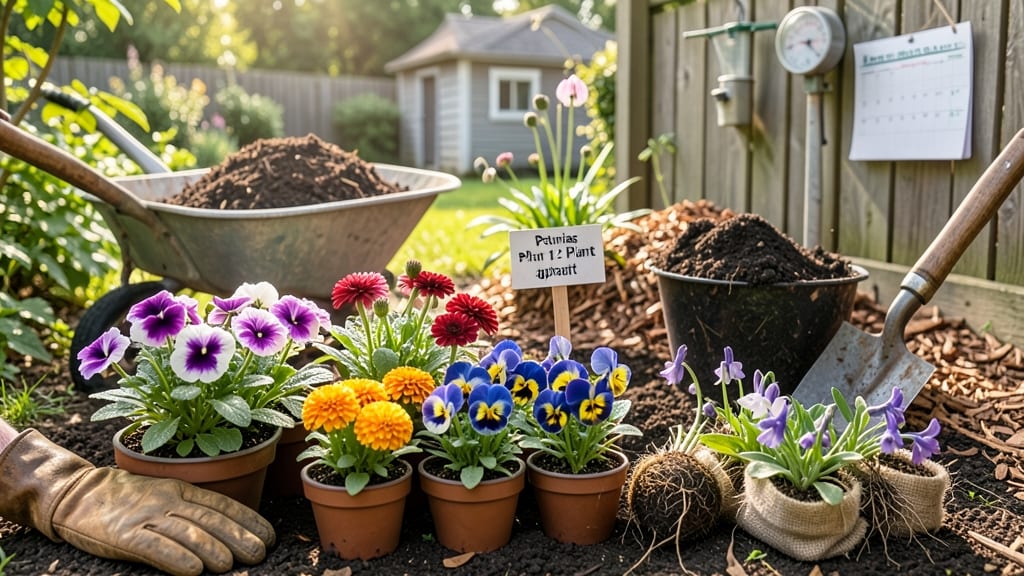
To plant flowers in Portland, Oregon, aim for March–May or September–October—timing that aligns with the city’s USDA Zone 8a and avoids frost damage.
Portland’s unpredictable weather—cool springs, wet winters, and sudden heatwaves—can make flower planting a guessing game. But timing your flowers just right ensures vibrant blooms all season long.
Whether you’re planting annuals like petunias or perennials like coneflowers, getting the timing right means the difference between a thriving garden and one that struggles. The key is knowing your microclimate—urban heat islands, coastal breezes, and river valleys can shift planting windows by weeks.
Below, I’ll walk you through the perfect planting schedule for Portland’s climate, including soil prep tips, frost-date adjustments, and the best flowers for beginners. Let’s get those 🌸 blooming!
Portland’s flower planting calendar by season: best times for annuals, perennials & bulbs
Portland’s USDA Zone 8a climate means we get mild winters and cool springs, but those last frost dates can swing wildly. Most years, the average last frost hits around April 15, while the first frost arrives near October 15.
However, urban areas like downtown Portland can be 2–3 weeks warmer than rural spots like Gresham. Timing is everything—plant too early, and frost will kill tender blooms; too late, and you’ll miss peak flowering.
To simplify, I’ve broken down the best planting months for Portland’s most popular flowers, including annuals like petunias, perennials like coneflowers, and bulbs like tulips.
Whether you’re a beginner gardener or a seasoned pro, these month-by-month guidelines will help you avoid common mistakes and maximize your garden’s potential.
Pro Tip: Always check your soil temperature—most flowers need at least 50°F (10°C) to thrive. Use a soil thermometer or wait until nighttime temps stay above 40°F (4°C) before planting tender annuals.
| Flower Type | Best Planting Months | Notes |
|---|---|---|
| Annuals (e.g., petunias, marigolds, zinnias) | May–June (after last frost) or September (for fall blooms) | Start seeds indoors 6–8 weeks before last frost for earlier blooms. |
| Perennials (e.g., coneflowers, lavender, black-eyed Susans) | March–April or September–October | Fall planting gives roots time to establish before winter. |
| Bulbs (e.g., tulips, daffodils, hyacinths) | September–October (fall) for spring blooms | Plant bulbs 6–8 weeks before ground freezes; deeper = more stable. |
| Tender Perennials (e.g., geraniums, salvia) | May (after frost risk passes) | Bring pots indoors before first frost or mulch heavily. |
| Native Wildflowers (e.g., yarrow, blanket flower) | March–April or September | Drought-tolerant; ideal for low-maintenance gardens. |
For spring planting, focus on March–April once the soil warms. This is prime time for perennials like peonies and bulbs like daffodils. If you’re planting annuals from seed, start them indoors in February to get a head start.
By May, the risk of frost is nearly gone, making it safe for heat-loving annuals like zinnias and sunflowers.
Fall is another critical window for Portland gardeners. Planting bulbs in September–October ensures they’ll bloom next spring. Perennials like hostas and daylilies also benefit from fall planting, as cooler temps help roots establish before winter.
Avoid planting tender annuals after September 15, as they won’t survive our winter rains.
Urban gardeners in Portland’s heat islands (like Pearl District) can push planting dates 1–2 weeks earlier than rural areas. Meanwhile, cooler microclimates near the Columbia River Gorge may need to wait until mid-May for tender plants.
Always observe your garden’s microclimate cues, such as neighboring plants or local frost alerts.
One common mistake is planting tulip bulbs in spring—they need the cold of winter to bloom. Another is overwatering in fall, which can rot bulbs before they’ve had a chance to root.
Instead, water deeply but infrequently after planting, and mulch heavily to protect roots from temperature swings.
To extend your flowering season, consider successive planting. For example, sow cosmos seeds every 2 weeks from May to July for continuous blooms. For cool-season flowers like pansies, plant in late summer to enjoy color through fall and early winter.
Finally, don’t forget to prep your soil before planting. Amend with compost or aged manure in fall or early spring to give your flowers the nutrients they need. A <
How Portland’s microclimates affect flower planting: urban heat islands vs. coastal breezes
Portland’s microclimates create dramatic differences in planting success. Downtown’s urban heat island can push spring planting 1–2 weeks earlier than cooler areas like the West Hills or coastal neighborhoods.
These shifts matter—planting petunias too early in Gresham might mean frost damage, while Beaverton gardeners could stress tender annuals by waiting too long.
Your location determines frost-free windows. Downtown Portland’s last frost date averages April 15, but areas like Sauvie Island can experience frost until May 1.
Similarly, fall planting in river valleys (like the Willamette) may need to start by September 1, while West Hills can extend planting until October 10.
Here’s how to adjust your planting schedule based on Portland’s most common microclimates, including season-extending tips like row covers and cold frames to maximize your bloom time.
For urban heat islands, focus on heat-tolerant annuals like zinnias or lantana, which thrive in the extra warmth. In cooler West Hills areas, prioritize perennials like coneflowers or black-eyed Susans, which establish roots early and handle delayed planting better.
Extend your growing season with row covers or cold frames. For example, use frost cloths to protect fall-planted bulbs like tulips in river valleys, where frost can strike as early as October 15.
In coastal areas, windbreaks made from bamboo stakes and burlap shield delicate blooms from salty ocean breezes.
Pro tip: Test your soil temperature before planting—aim for 50°F (10°C) for most flowers. Use a soil thermometer in your garden bed to avoid guessing. Adjust your schedule based on your microclimate’s unique patterns, and you’ll enjoy longer bloom times and healthier plants all season long. 🌸