
Flowers
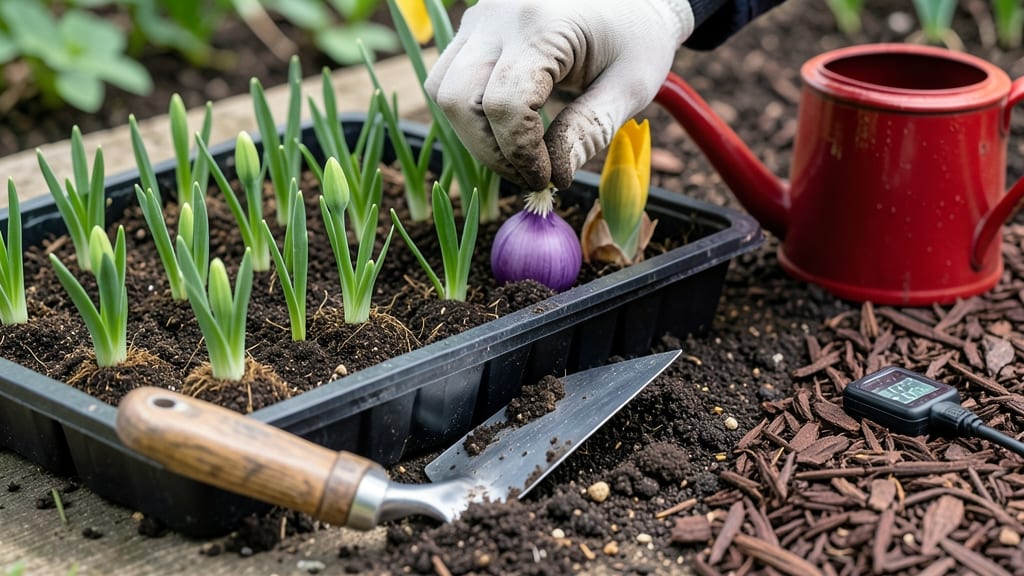
Planting flowers in spring at the right time ensures vibrant blooms all season — and missing the window can leave you with wilted seedlings or stunted growth.
Timing your spring flower planting perfectly can mean the difference between a vibrant garden and a season of disappointment—especially when frost dates vary dramatically across the U.S.
In USDA Zone 6a, like much of the Midwest, you’ll want to wait until after the last frost date—typically mid-April to early May—when soil warms to at least 60°F.
Below, I’ll break down the exact deadlines for your region, which flowers thrive in early vs. late spring, and how to prep your soil for maximum success.
USDA Zone deadlines: when to plant flowers after last frost
Getting your spring flowers planted at the right time is crucial—especially when last frost dates vary wildly across the U.S. In USDA Zone 3 (like Minnesota or Montana), you might still see frost in early June, while Zone 10 (Florida or Southern California) could already be sweltering by April.
Even within the same zone, coastal areas often warm up weeks earlier than inland spots. Let’s break down the exact planting windows for your region to ensure vibrant blooms all season.
Most gardeners wait until after the average last frost date to plant tender annuals like marigolds or petunias, but hardy perennials (like coneflowers) can often go in the ground as early as late winter in milder zones.
The key is understanding your local microclimate—whether you’re in a frost pocket, near a large body of water, or in an urban heat island. Below, I’ve mapped out planting deadlines by USDA zone, so you can plan with confidence.
| USDA Zone | Last Frost Date (Avg.) | Early Spring Planting (Hardy Perennials) | Mid-Spring Planting (Annuals) | Late Spring Planting (Heat-Lovers) |
|---|---|---|---|---|
| Zone 3 (e.g., Duluth, MN) | May 15 | Late April (cold-hardy perennials) | After May 20 (wait for soil warmth) | June 1 (for zinnias, sunflowers) |
| Zone 4 (e.g., Chicago, IL) | April 25 | Early April (peony, iris) | After May 10 (pansies, snapdragons) | Late May (cosmos, celosia) |
| Zone 5 (e.g., Denver, CO) | April 10 | Mid-March (lupines, columbines) | After April 20 (geraniums, sweet peas) | Early June (portulaca, lantana) |
| Zone 6 (e.g., St. Louis, MO) | March 25 | February (dormant perennials) | After April 1 (calendula, nasturtiums) | Late May (marigolds, salvia) |
| Zone 7 (e.g., Washington, D.C.) | March 15 | January (tender perennials under cover) | After March 15 (begonias, impatiens) | Early May (zinnias, sunflowers) |
| Zone 8 (e.g., Atlanta, GA) | February 10 | December (winter-blooming pansies) | After February 20 (petunias, vinca) | April (tropical flowers like hibiscus) |
| Zone 9 (e.g., Los Angeles, CA) | January 1 | November (cool-season annuals) | After January 30 (geraniums, alyssum) | March (heat-tolerant succulents) |
| Zone 10 (e.g., Miami, FL) | None (tropical climate) | Year-round (seasonal bloomers) | After February (impatiens, begonias) | April (bougainvillea, plumbago) |
How to calculate your local frost dates for precise planting
Understanding your local frost dates is the first step to planting flowers successfully in spring. While USDA zones provide a general guideline, your exact frost dates can vary by 1-2 weeks depending on elevation, urban heat islands, or nearby water bodies.
For example, a city like Chicago (Zone 5b) might see its last frost around April 20, but a nearby rural area could be frost-free by April 10. These differences matter when choosing between cold-hardy pansies and heat-loving marigolds.
To find your precise frost dates, start with reliable sources like the Old Farmer’s Almanac or NOAA’s climate data. These tools provide historical averages for your ZIP code, including both last spring frost and first fall frost dates.
🌱 Pro Tip: Bookmark the National Weather Service’s frost probability maps for real-time updates during planting season.
⚠️ Warning: Microclimates Can Fool You!
Your yard might experience unexpected warmth in microclimates like:
- South-facing slopes (warmer by 5-10°F)
- Urban areas (pavement holds heat, delaying frost)
- Nearby ponds/lakes (cooler air lingers longer)
Test your microclimate! Plant frost-sensitive flowers (like petunias) in a protected spot 2 weeks before your average last frost date.
Next, adjust these dates using frost calculators like the one from the University of Georgia Extension. Input your ZIP code and elevation to get a 10-day frost probability for your area.
For container gardeners, remember potted plants freeze 2-3°F faster than in-ground plants. Move them to sheltered spots or use frost blankets if nighttime temps dip below 32°F after planting.
Finally, keep a garden journal for 3 years to track your local frost patterns. Note when nearby cherry blossoms bloom or crocuses pop up—these natural indicators often precede frost dates by 1-2 weeks.