
Flowers
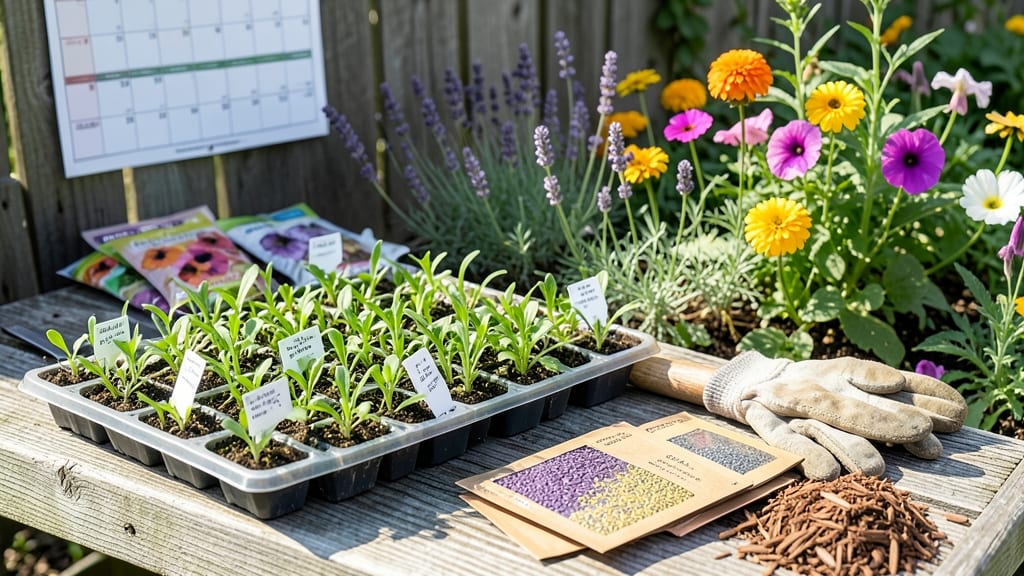
Planting flowers in Washington State the right time means the difference between a vibrant garden and a frost-killed disappointment—especially when your last frost date could be April 15 in Zone 6 or as early as March 15 in Zone 8.
Washington State’s diverse climate—from the rain-soaked Puget Sound to the arid Columbia Basin—means flower planting deadlines can vary by hundreds of days. Plant too early, and frost will kill tender blooms; too late, and summer heat arrives before they even sprout.
Whether you’re growing hardy perennials like lavender or quick-blooming annuals like zinnias, timing matters. Below, I’ll break down the exact windows for each of Washington’s microclimates, plus how to stretch your blooms with simple tricks like staggered planting and frost protection.
Ready to turn your garden into a year-round showstopper? Here’s how to pick the perfect moment for every flower—no guesswork, just guaranteed color.
Washington’s 5 flower planting zones: when to plant by region
Washington State’s varied geography creates five distinct flower planting zones, each with unique frost patterns and growing seasons. Whether you’re in the rainy Puget Sound or the dry Columbia Basin, timing your plantings correctly ensures vibrant blooms.
The key? Understanding your last frost date and frost-free days, which can differ by up to 120 days across the state. Let’s break down the best planting windows for each region.
First, know that Washington spans USDA Hardiness Zones 6-8, but microclimates—like urban heat islands or coastal cooling—can shift your planting dates by 2-4 weeks.
For example, Seattle’s Puget Sound (Zone 8) has a 210-day frost-free season, while Spokane’s inland zone (Zone 6) enjoys just 150 frost-free days. Always check your local last frost date (typically March 15–April 15 for most regions) and plan accordingly.
Here’s a quick reference for optimal flower planting windows by Washington region, including adjustments for spring vs. fall planting and heat-sensitive vs. cold-hardy blooms:
| Region | USDA Zone | Last Frost Date | Spring Planting Window | Fall Planting Window | Notes |
|---|---|---|---|---|---|
| Puget Sound (Seattle, Olympia) | Zone 8 | March 15 | March 1–April 15 | August 15–September 15 | Long growing season; coastal cooling delays spring planting. |
| Western WA (Tacoma, Bellingham) | Zone 7-8 | March 30 | March 15–April 30 | August 1–September 10 | Humidity increases fungal risks; space plants for airflow. |
| Eastern WA (Spokane, Wenatchee) | Zone 6-7 | April 15 | April 1–May 15 | July 15–August 15 | Dry climate; mulch heavily to retain moisture. |
| Columbia Basin (Yakima, Tri-Cities) | Zone 6-7 | April 10 | April 1–May 10 | July 1–August 10 | Hot summers; prioritize drought-tolerant flowers. |
| Mountain Regions (Leavenworth, Snoqualmie) | Zone 5-6 | May 1 | May 1–June 1 | July 1–August 5 | Short season; opt for cold-hardy perennials. |
For spring planting, aim to get tender annuals like petunias or marigolds into the ground 2-4 weeks before your last frost date.
In Zone 8 (Puget Sound), that’s as early as March 1, while Zone 6 (Mountains) gardeners should wait until May 1. Fall planting works best for cool-season blooms like pansies or snapdragons, with deadlines 6-8 weeks before first frost (typically August–September).
Microclimates add another layer of complexity. Urban areas like Seattle’s downtown can be 5–10°F warmer than surrounding regions due to heat islands, allowing you to plant 2 weeks earlier.
Conversely, coastal gardens near Bellingham may experience delayed springs, so wait until April 15 for heat-loving annuals. Always monitor local weather forecasts and adjust your timeline accordingly.
Pro tip: Use frost cloth to extend your spring planting window by 2-3 weeks in colder zones. For example, in Spokane (Zone 6), you can start pansies in early April under frost protection, giving them a head start before the last frost.
In hotter regions like the Columbia Basin, prioritize shade-loving perennials like lavender or Russian sage to avoid heat stress.
For bulbs like tulips or daffodils, plant them 6-8 weeks before ground freezes (typically October–November). In Zone 8, this means late October
Best flowers for Washington’s climate: fastest-blooming vs. long-season varieties
Washington’s diverse climate demands smart flower choices—whether you crave instant summer color or year-round blooms. Annuals like zinnias and marigolds deliver fast blooms in 6-8 weeks, while perennials like lavender and peonies reward patience with decades of color.
The key? Matching your planting timeline to Washington’s microclimates.
In Zone 6 (eastern WA), where frost lingers until mid-April, cool-loving annuals like pansies and snapdragons thrive when planted in early spring. Meanwhile, Zone 8 (Puget Sound) gardeners can sow heat-loving zinnias as early as March 15 for summer-long blooms.
Below, I’ve broken down the fastest bloomers and long-season stars for every Washington gardener.
- 1 Fastest Annuals (Bloom in 6-8 Weeks):
- 2 Cold-Hardy Perennials (Bloom Yearly):
- 3 Heat-Tolerant Annuals (Bloom Until Frost):
- 4 Fall Planting for Spring Blooms:
- 5 Staggered Planting Tip:
Zinnias (30-60 days), Marigolds (45-60 days), Sunflowers (60-75 days). Plant these 2-3 weeks after last frost (early May in Zone 6, mid-April in Zone 8) for summer-long color.
Lavender (May-July), Peonies (May-June), Catmint (June-August). Plant in early spring (March-April) or fall (September) for established roots before winter.
Cosmos (70-80 days), Portulaca (50-60 days), Celosia (60-70 days). Sow late May-June in Zone 6 or April-May in Zone 8 for fall blooms.
Daffodils (September planting), Tulips (October planting), Allium (September-October). Plant 6-8 weeks before ground freezes for early spring blooms.
Sow marigolds every 2 weeks from May-July to extend blooms until first frost. This trick works for cosmos and zinnias too!
For Zone 6 gardeners, focus on cool-season annuals like pansies and sweet peas for early blooms, then transition to heat-lovers like sunflowers by early June. In Zone 8’s milder climate, you can even plant winter-blooming pansies in September for holiday color.
Pro tip: Mulch perennials like lavender and catmint with 3 inches of straw in late fall to protect roots during Zone 6 winters. This simple step ensures longer bloom seasons and healthier plants year after year.
Ready to transform your garden? Start with fast-blooming annuals for instant gratification, then layer in perennials for low-maintenance color that comes back stronger every year. With these Washington-tested varieties, you’ll enjoy blooms from spring to frost—no matter your zone!