
Planting
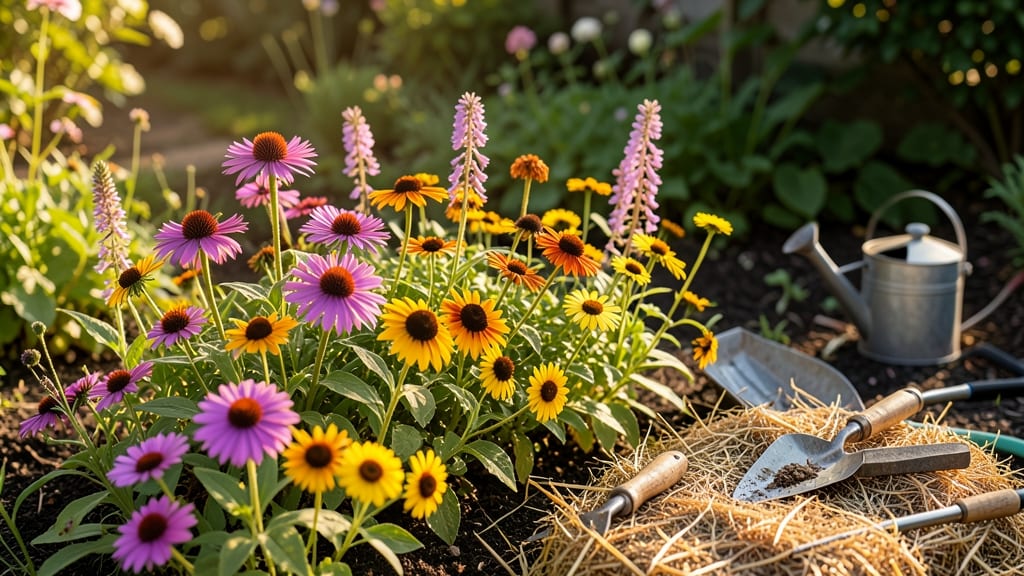
Planting native wildflower seeds at the right time ensures vibrant blooms and thriving pollinators—here’s when to start for the best results.
Timing your native wildflower planting by soil temperature can mean the difference between a lush meadow and months of waiting for blooms. Too early, and frost will kill tender seedlings; too late, and summer heat may dry them out before they take root.
For Zone 6a and similar climates, late summer to early fall or early spring are the ideal windows. This aligns with natural cycles, giving seeds time to establish roots before extreme weather arrives.
Below, I’ll break down the best soil temps, regional adjustments, and simple prep steps to set your wildflowers up for success—no guesswork required.
Soil temperature Zones for planting native wildflower seeds
Understanding your soil temperature zones is the first step to planting native wildflower seeds successfully. Most wildflowers germinate best when soil temperatures range between 40°F and 90°F, but the ideal window depends on your USDA hardiness zone and local climate.
For example, Zone 6a gardeners like me often target late summer to early fall, while warmer zones (like Zone 9) may plant in early spring or even winter.
Soil temperature isn’t just about air temperature—it’s influenced by sunlight, moisture, and even the color of your soil. Darker soils absorb heat faster, while sandy soils warm up quicker than clay.
Use a soil thermometer (just $10 at garden centers) to check temps at a 1-inch depth, where most seeds will germinate. Aim for consistent temps between 60°F and 75°F for the best sprouting success.
Regional differences matter too. In cool climates (Zones 3–6), fall planting is ideal because seeds get a head start on root growth before winter dormancy. Meanwhile, warm climates (Zones 7–10) often plant in late winter or early spring to avoid summer heat stress.
Even within the same zone, microclimates—like sunny slopes versus shaded valleys—can shift your planting window by weeks.
Here’s the key: Native wildflowers thrive when planted during their natural germination period. For instance, Black-Eyed Susans and Coneflowers (common perennials) love cooler soil temps, while Sunflowers and Cosmos prefer warmer conditions. Matching species to your soil’s seasonal rhythm ensures faster, healthier growth.
🌱
| Climate Type | USDA Zones | Best Planting Window | Ideal Soil Temp | Key Species |
|---|---|---|---|---|
| Cool Climates | 3–6 | Late Summer–Early Fall (Aug–Sept) | 50°F–70°F | Black-Eyed Susan, Coneflower, Aster |
| Temperate Climates | 7–8 | Early Spring (March–April) or Fall (Oct–Nov) | 55°F–80°F | Goldenrod, Milkweed, Blazing Star |
| Warm Climates | 9–11 | Late Winter–Early Spring (Jan–Feb) | 60°F–90°F | Sunflower, Cosmos, Purple Coneflower |
| Arid/Semi-Arid | 4–8 | Fall (Sept–Oct) or Spring (March) | 45°F–75°F | Yarrow, Penstemon, Lupine |
If you’re in Zone 6a like me, aim for late August to early September for fall planting. This gives seeds time to germinate before the first frost (usually around October 15 in my area).
For spring planting, wait until soil temps rise above 50°F—typically mid-April—when the ground thaws and stays consistently warm.
Pro tip: Mulch lightly after planting to regulate soil temperature. Straw or shredded leaves help keep seeds from drying out in heat or freezing in cold snaps. Just avoid piling mulch too thickly—wildflower seeds need light to germinate, so a ¼-inch layer is perfect.
Don’t overlook moisture levels during germination. Soil should be moist but not soggy—think of a wrung-out sponge. Overwatering can suffocate seeds, while drought stress halts growth. In dry climates, water gently every 2–3 days until seedlings appear, then taper off as roots establish.
For perennial wildflowers, consider a staggered planting approach. Sow half your seeds in fall and the other half in spring to ensure continuous blooms. This mimics natural ecosystems where seeds germinate at different times, creating a longer flowering season and more food for pollinators.
🌿
Best native wildflower species by planting season
Choosing the right native wildflowers and planting them at the perfect time ensures a continuous bloom from spring through fall. Each species thrives under specific conditions, so aligning your planting schedule with their natural cycles is key to success.
For example, spring-blooming varieties like Black-Eyed Susan (Rudbeckia hirta) need to be sown in early spring or late fall, while summer/fall favorites like Purple Coneflower (Echinacea purpurea) prefer late summer planting to establish roots before winter.
Perennial wildflowers, like Butterfly Weed (Asclepias tuberosa), benefit from staggered planting—sowing some seeds in spring and others in fall ensures blooms year after year without gaps.
Here’s a quick guide to planting your native wildflowers by season, with species-specific timing to maximize your meadow’s beauty:
-
🌱 Early Spring (March-April)
Plant: Wild Bergamot (Monarda fistulosa), Coreopsis (Coreopsis spp.), Pasque Flower (Pulsatilla spp.)
Soil temp: 40°F–50°F | Why? Cool soil prevents premature sprouting.
-
🌞 Late Summer (August-September)
Plant: Purple Coneflower, Goldenrod (Solidago spp.), Aster (Symphyotrichum spp.)
Soil temp: 60°F–75°F | Why? Warm soil encourages deep root growth before winter.
-
🍂 Fall (October-November)
Plant: Black-Eyed Susan, Blazing Star (Liatris spp.), Milkweed (Asclepias spp.)
Soil temp: 50°F–60°F | Why? Seeds germinate in spring, avoiding summer drought.
-
❄️ Staggered Planting (Spring + Fall)
Plant: Butterfly Weed, Wild Lupine (Lupinus perennis), Partridge Pea (Chamaecrista fasciculata)
Soil temp: 40°F–70°F | Why? Ensures blooms across multiple seasons.
If you’re in a warmer climate (Zones 8–10), adjust your timing slightly—plant spring-bloomers in late fall and summer varieties in early spring to avoid heat stress. Always check your local frost dates to avoid planting too close to winter.
For best results, prepare your soil with light compost and a light raking to create a fine seedbed. Then, scatter seeds thinly and press them into the soil—no need to bury them deeply. A light mulch of straw helps retain moisture until germination.
With the right timing and species, your wildflower meadow will burst into color, supporting pollinators and adding low-maintenance beauty to your landscape.