
Plants
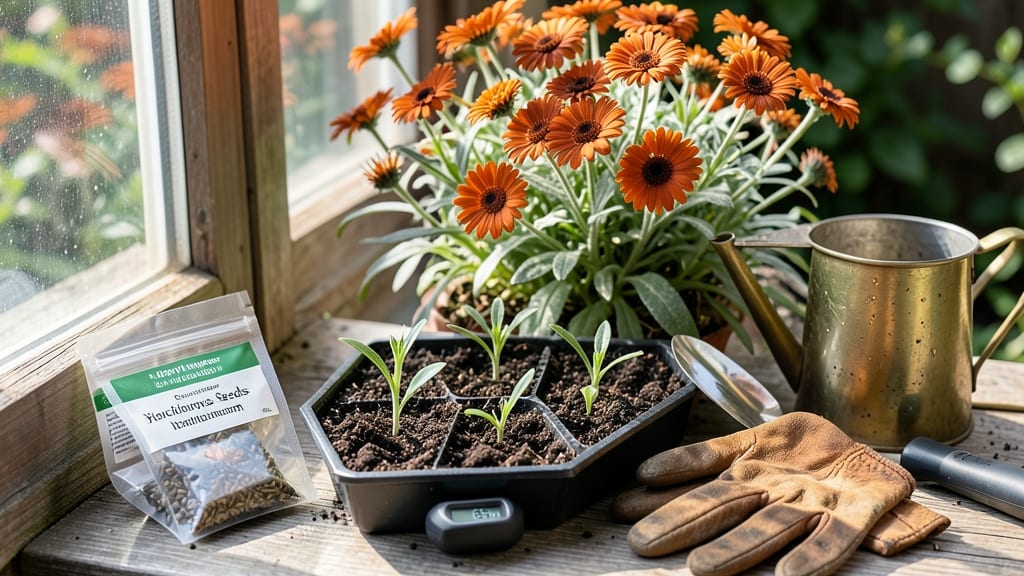
Plant strawflower seeds after your last frost date, when soil temperatures hit 45–55°F for consistent germination.
Strawflowers (Helichrysum bracteatum) 🌼 thrive when planted at the right time—too early, and they rot; too late, and they bolt. The secret to lush blooms lies in understanding cold-soil triggers and regional planting windows.
In USDA Zone 6a, aim for mid-April to early May, aligning with your area’s last frost date. Coastal climates may shift this window slightly later, while inland zones can start a week earlier once nighttime temps stay above 50°F.
Below, I’ll break down soil readiness tests, indoor vs. outdoor starting tips, and how to avoid the three biggest mistakes that kill germination—so you can get those vibrant blooms off to a fast, healthy start.
Optimal planting times by US hardiness zones: cold-soil triggers explained
Strawflowers (Helichrysum bracteatum) rely on soil temperatures between 45-55°F for successful germination. Planting too early in cold soil causes seeds to rot, while waiting too long risks premature bolting before blooming. Understanding your USDA hardiness zone and local frost patterns unlocks the perfect planting window for your region.
Coastal areas often experience milder winters and later frosts than inland zones, creating a 2-4 week planting window shift. For example, Zone 7 inland gardens may plant in early April, while coastal Zone 7 areas can start as late as mid-April without risking frost damage.
Always verify your last frost date using local weather records.
Here’s how to align strawflower planting with your zone’s cold-soil triggers and frost patterns:
| USDA Zone | Cold-Soil Trigger (°F) | Optimal Planting Window | Frost Adjustment | Coastal vs. Inland |
|---|---|---|---|---|
| Zones 3-4 | 50-55°F | Mid-May to early June | After last frost + 2 weeks | Inland: 2 weeks earlier |
| Zones 5-6 | 48-52°F | Late April to mid-May | After last frost + 1 week | Coastal: 1 week later |
| Zones 7-8 | 45-50°F | Early April to late May | After last frost | Inland: Start in March (protected) |
| Zones 9-11 | 45°F (min) | February to April | No frost risk; plant early | Coastal: Avoid winter rains |
For Zones 3-6, I recommend starting seeds indoors 6-8 weeks before your last frost date. Use a heat mat to maintain 70-75°F soil temps for faster germination, then transplant outdoors after soil warms to 50°F. This two-step process gives seedlings a head start against unpredictable spring frosts.
In Zones 7-11, direct sowing outdoors works well if you monitor soil temperatures daily. Use a soil thermometer to confirm consistency—strawflower seeds need 3 consecutive days above 50°F to germinate reliably. Coastal gardeners in these zones should avoid planting during winter rains, which can cause seed rot.
Pro tip: Mulch heavily after planting to retain soil warmth and moisture. A 2-inch layer of straw mulch raises soil temps by 2-3°F and reduces evaporation, giving seeds a better chance to establish before summer heat arrives. This is especially critical in dry inland climates like the Southwest.
If you’re in a transition zone (e.g., Zone 6b vs. 7a), err on the side of planting later. Strawflowers tolerate light frost once established but struggle with prolonged cold snaps.
For example, if your last frost is April 15 but you’ve had late frosts in May, wait until May 1 to plant outdoors.
For container growing, strawflowers can be planted 2-3 weeks earlier than in-ground plantings because pots warm up faster. Choose black containers, which absorb 10-15% more sunlight and raise soil temps by 2-5°F compared to white or red pots.
This gives you a flexible planting window even in cooler zones.
Always pair planting dates with moon phase tracking for best results. Strawflowers thrive when planted during the waxing moon (growing phase), which encourages root development. Check a lunar planting calendar for your zone to fine-tune timing.
🌼
How to test soil readiness for strawflower seeds: 3 key indicators
Before popping those strawflower seeds into the ground, testing your soil’s readiness can save you from soggy, rotten seeds or slow, leggy seedlings. I’ve learned the hard way that cold, wet soil is the enemy of germination—here’s how to check if your garden is truly ready.
Strawflowers need warm soil between 45–55°F to sprout reliably. Too cold, and they’ll sit dormant; too warm, and they may bolt prematurely. The good news? You don’t need fancy tools to test—just your hands, a thermometer, and a little patience.
- 1. Finger Test: Press your finger 2 inches deep. If soil feels cool but not icy and crumbles easily, it’s ready. If it’s damp and cold, wait 1–2 weeks.
- 2. Soil Thermometer: Check temps at 2-inch depth. 45–55°F is ideal. Below 45°F? Delay planting until soil warms.
- 3. Seedling Timeline: If planted in ideal conditions, strawflowers sprout in 7–14 days. If no sprouts appear after 2 weeks, soil was likely too cold.
For the finger test, focus on moisture—not just temperature. Strawflower seeds need consistent moisture but will rot if oversaturated. Squeeze a handful: if water drips out slowly, it’s perfect. If it’s bone-dry, water lightly the day before planting.
If you’re in doubt, a soil thermometer (just $10 at garden centers) gives precise readings. I keep mine in my gardening toolkit—it’s saved me from planting too early in chilly springs. Pro tip: Check temps in the morning when soil is coolest.
Slow germination? It’s often a soil temperature issue. Strawflowers are finicky about timing—if they take longer than 3 weeks to sprout, your soil may still be too cold. Try a black plastic mulch to warm the soil faster, or move to a sunnier, warmer spot.
Once you’ve confirmed readiness, plant seeds ¼ inch deep in well-draining soil. Mulch lightly with straw to retain moisture and speed up germination. With these tests, you’ll avoid the heartbreak of wasted seeds and get those vibrant blooms off to a flying start! 🌼