
Plants
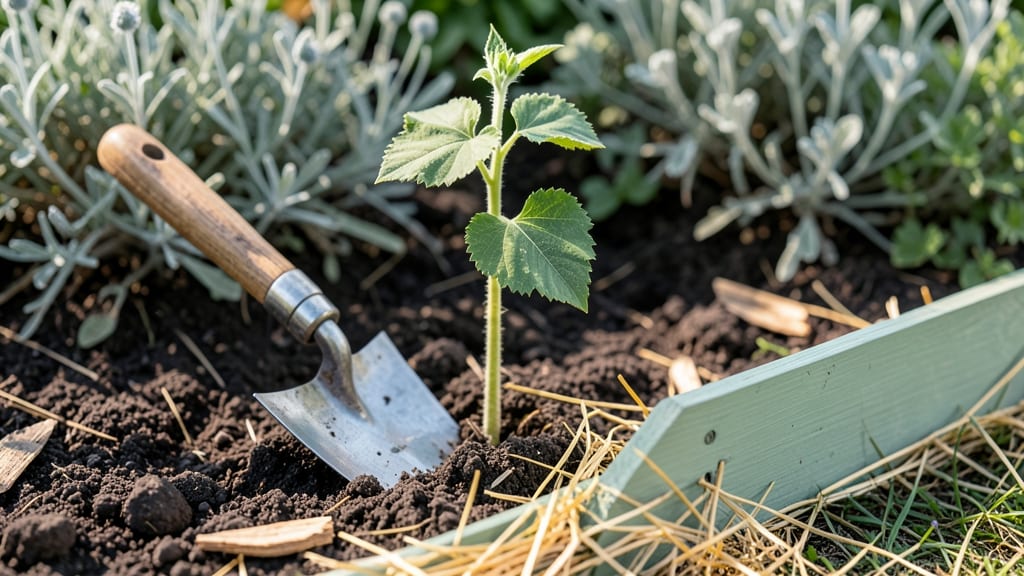
Planting sunflower seeds in Virginia at the right time means the difference between towering 🌻 blooms and sad, stunted plants that never reach their potential.
Sunflowers bring vibrant color and joy to Virginia gardens—but planting them at the wrong time can mean wilted dreams before they bloom. Timing is everything, especially in USDA Zones 7b and 8a, where frost dates shift unexpectedly.
Most gardeners in central and eastern Virginia (Zones 7a-7b) should wait until after the last frost date, typically between late April and early June, when soil temperatures hit at least 60°F. In western Virginia (Zones 6a-7a), you’ll need to push that window even later, often into May.
Miss the window, and you risk late-season sunflowers cut short by frost—or worse, seedlings that rot in cold, damp soil. Below, I’ll break down the exact frost-free windows for your zone, plus pro tips to extend your growing season for fall blooms.
Virginia sunflower planting timeline: frost dates by Zone 7b vs 8a
Planting sunflowers in Virginia requires precise timing to avoid frost damage, especially when comparing USDA Zone 7b (central Piedmont) with Zone 8a (Coastal Plain). The difference of just 5°F affects your last frost dates and soil warming timelines.
In Zone 7b, you’ll see frost as late as April 15, while Zone 8a typically warms up by March 20—a critical window for early planting.
Sunflowers thrive in warm soil (at least 60°F) and can’t tolerate frost. For Zone 7b, aim for mid-April to early May planting, while Zone 8a gardeners can start as early as late March.
Microclimates like urban heat islands or sheltered valleys may shift these dates by 1-2 weeks, so always check your local Almanac frost records for precision.
| Zone | Avg Last Frost | Soil Temp for Planting | Ideal Planting Window | Microclimate Adjustment |
|---|---|---|---|---|
| 7b (Piedmont) | April 15 | 60°F+ | Mid-April to May 10 | +2 weeks for valleys |
| 8a (Coastal Plain) | March 20 | 55°F+ | Late March to April 15 | -1 week for windy coasts |
| Both Zones | First Frost | N/A | Late August (fall planting) | Use black plastic mulch |
For Zone 7b, I recommend starting seeds indoors 4-6 weeks before your target outdoor date (around March 1) if you’re eager to beat the frost. Use biodegradable pots to avoid transplant shock when moving them outside after April 15.
In Zone 8a, you can direct-sow as early as March 20, but cover seeds with row fabric if nighttime temps dip below 50°F.
Soil temperature is just as critical as air temperature. Use a soil thermometer to confirm readings—sunflowers won’t germinate below 55°F. In Zone 7b, wait until soil hits 60°F consistently, while Zone 8a soils warm faster, often reaching this threshold by mid-March.
If your soil is still cool, try black plastic mulch to accelerate warming by 5-10°F.
Microclimates play a huge role in Virginia. The Piedmont region (Zone 7b) often experiences frost pockets in valleys, delaying planting by 1-2 weeks. Meanwhile, Coastal Plain (Zone 8a) areas near the Chesapeake Bay may face earlier salt spray damage if planted too soon.
For urban gardeners, rooftop gardens or south-facing walls can extend the growing season by 2-3 weeks compared to open fields.
Don’t forget about fall planting for late-season blooms! In both zones, you can sow sunflower seeds August 1–15 for flowers that mature before the first frost. This works best with dwarf varieties like ‘Teddy Bear’ (1-3 ft tall), which complete their lifecycle faster.
Just be prepared to harvest seeds by October 15 in Zone 7b or November 1 in Zone 8a before frost sets in.
Pro tip: If you’re unsure about your exact frost dates, use the Virginia Cooperative Extension’s frost calculator (available online) to input your ZIP code for hyper-localized data.
This tool accounts for elevation changes and historical weather patterns, giving you the most accurate planting window for your specific location in Virginia.
Finally, always test your soil’s drainage and pH before planting. Sunflowers prefer slightly acidic to neutral soil (pH 6.0–7.0) and well-draining conditions. Amend heavy clay soils with compost or sand to prevent root rot, especially in Zone 7b’s wetter springs.
With the right timing and soil prep, your sunflowers will reach their full 8–14 ft potential and bring months of golden cheer to your garden. 🌻
How to choose the best planting month for sunflowers in Virginia
Choosing the right month to plant sunflower seeds in Virginia depends on your USDA zone, sunflower variety, and local microclimates. Tall varieties like 'Russian Giant' need a longer growing season, while dwarf types like 'Teddy Bear' can handle shorter windows.
In Zone 7b (central/eastern VA), aim for late April to early June, while Zone 8a (southern VA) can start as early as mid-April.
For fall blooms, try a second planting in early August to mid-September. This works best in Zone 8a where frost arrives later. Always check your local last frost date—planting too early risks frost damage, while late planting may leave sunflowers stunted before winter.
Sunflowers thrive in well-draining soil with 6+ hours of sun. Before planting, loosen the soil to a depth of 12 inches and mix in compost for nutrients.
If your soil is heavy clay, consider raised beds for better drainage—this is especially critical in western Virginia, where wet springs can delay planting.
For extended blooms, try succession planting every 2 weeks. This ensures continuous color from summer through fall. In Zone 7b, late June plantings may still produce flowers before frost, while Zone 8a can push into July for a second harvest.
Always space seeds 6 inches apart and thin seedlings to 12-24 inches for optimal growth.
Pro tip: Use black plastic mulch to warm soil faster in early spring plantings. This method can shave off 1-2 weeks of waiting time, especially in cooler Piedmont regions. Just remove the mulch once seedlings emerge to prevent overheating.
Remember, sunflowers are drought-tolerant once established, but young seedlings need consistent moisture. Water deeply once a week (or more in dry spells) to encourage strong root growth. With the right timing and care, your Virginia garden will burst with vibrant sunflowers from summer to frost! 🌻