
Plants
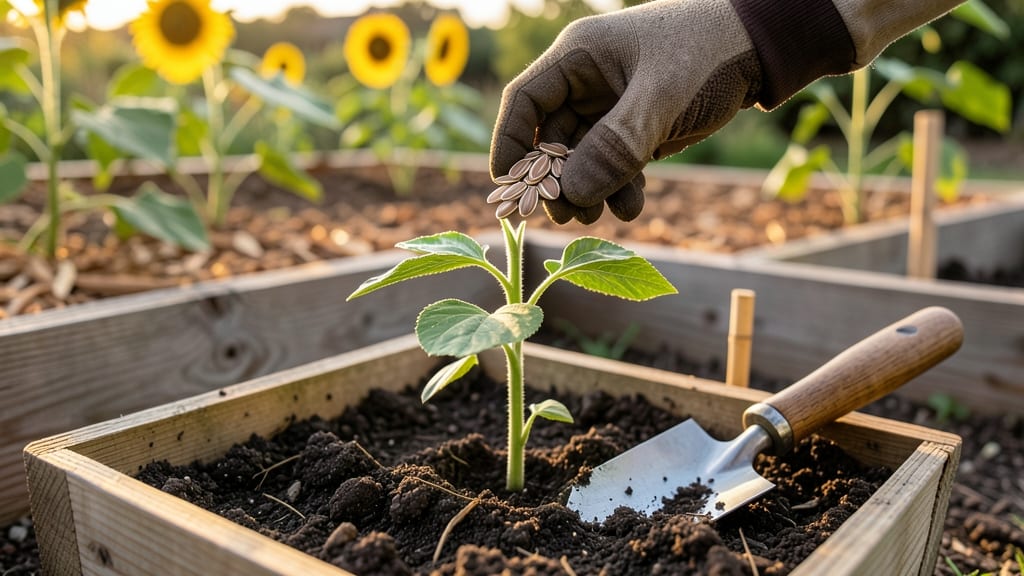
Plant sunflower seeds in Zone 6 about 2-4 weeks before your last frost date for towering stems that reach their full potential.
Sunflowers aren’t just beautiful—they’re hardy, fast-growing plants that thrive in Zone 6’s climate, but timing your planting just right ensures you get those iconic towering stems instead of leggy, weak blooms.
In most of Zone 6, that means getting seeds in the ground by mid-April at the latest, but soil temperature and local frost patterns can shift that window by a few weeks.
Too early, and cold soil slows germination; too late, and your blooms may bolt before reaching their full height.
Below, I’ll break down the exact weeks before last frost that work for your region, how to prep the soil for strong, fast growth, and which sunflower varieties handle Zone 6’s short season best.
Zone 6 sunflower planting timeline: exact weeks before last frost for maximum height
Sunflowers in Zone 6 love the warmth, but their growth speed depends entirely on when you plant them relative to your last frost date.
For towering stems (think 10+ feet tall!), aim to plant after soil temperatures hit 55°F (13°C)—this ensures strong germination and rapid growth before summer heat arrives. Northern areas of Zone 6 (like 6a) have later frost dates than southern regions (like 6b), so we’ll adjust timing accordingly.
Most gardeners in Zone 6 plant sunflowers 2-4 weeks after the last frost, but this varies based on whether you’re starting seeds indoors or sowing directly outdoors.
Indoor starts give you a 2-week head start, while direct sowing is simpler and just as effective if your soil is warm enough. Let’s break down the exact weeks before frost that work best for your location.
For Zone 6a (northern areas like Buffalo, NY or Madison, WI), your last frost typically lands around April 15, so direct sowing should begin no earlier than May 1.
If you’re eager to start earlier, indoor starts in early March (6-8 weeks before frost) work well, but use grow lights to prevent leggy seedlings.
Southern Zone 6b areas (like St. Louis, MO or Raleigh, NC) can plant as early as late March for direct sowing, thanks to warmer soils.
Soil temperature is the critical factor—sunflower seeds won’t germinate well below 55°F (13°C). Use a soil thermometer to check; if it’s cooler, wait or use black plastic mulch to warm the soil faster.
Pro tip: Plant in raised beds if your ground stays cold longer—they heat up quicker and drain better, giving sunflowers a stronger start.
If you’re in a high-altitude area within Zone 6 (e.g., Denver, CO), adjust your timeline by 1-2 weeks later—cooler nights delay growth. Conversely, urban heat islands (like Chicago’s downtown) can let you plant 1 week earlier since pavement radiates heat.
Always check your local Almanac’s frost dates for the most precise timing.
For maximum height, avoid planting sunflowers after June 15 in Zone 6a or June 30 in Zone 6b—late plantings often bolt (flower too quickly) and produce shorter stems. Instead, use succession planting every 2 weeks until mid-summer for a continuous display of blooms.
Pair tall varieties (like ‘Russian Giant’) with early plantings and dwarf types (like ‘Teddy Bear’) with later sowings.
Once planted, sunflowers grow 2-3 inches per day in ideal conditions, so timing is everything. If you miss the spring window, don’t worry—sunflowers are annuals and can be replanted in early summer for fall blooms, though stems may be shorter.
Just ensure they have 6+ hours of sun daily and well-draining soil to reach their full potential.
Remember: The key to towering sunflowers in Zone 6 is warm soil + proper spacing. Plant seeds 1 inch deep and 6 inches apart, then thin to 12-24 inches apart as they grow.
With these exact weeks before frost as your guide, you’ll be harvesting sunflower seeds and adm
How to adjust sunflower planting time for Zone 6’s microclimates and bolting risks
Zone 6’s climate isn’t one-size-fits-all—high-altitude areas like Denver or Cheyenne can have 2-3 weeks later frost dates than urban heat islands like Chicago or Columbus. These microclimates force you to adjust planting times to avoid premature bolting or stunted growth.
For example, if you’re in Zone 6a at 5,000 feet elevation, your last frost might be May 15 instead of April 15. Planting sunflowers too early in cold soil can trigger bolting, while waiting too long risks blooms before frost.
The key is matching your soil temperature (ideal: 55-65°F) to your variety’s maturity time.
Urban areas with concrete and asphalt (like downtown Cincinnati) can trap heat, creating microclimates where sunflowers might bolt 2 weeks earlier than rural areas. To combat this, use shade cloth (30-50%) during hot afternoons or plant heat-tolerant varieties like ‘Autumn Beauty’.
⚠️ Bolting Warning: Don’t Plant Too Early!
Cold soil (<50°F) triggers sunflowers to bolt prematurely, producing weak stems and small blooms. Use a soil thermometer—wait until soil reaches 55°F+ for 24 hours before planting. In Zone 6a, this often means delaying until late April or early May.
Signs of bolting: Tall, thin stems with yellowing leaves before flowering. If you see this, move plants to full sun and reduce water slightly to slow growth.
High-altitude gardeners can extend the season with row covers or black plastic mulch to warm the soil. Lay covers 2 weeks before planting to raise soil temps by 5-10°F. For urban gardens, succession planting every 2 weeks from May to July ensures continuous blooms.
If you’re in a northern Zone 6b area (like Madison, WI), prioritize fast-maturing varieties (50-60 days to bloom) like ‘Moulin Rouge’ (dwarf) or ‘Teddy Bear’ (compact). In southern Zone 6a (like Nashville, TN), you can afford taller varieties like ‘Russian Giant’ with late June plantings.
For late-summer blooms, try succession planting in early July with short-day varieties like ‘Autumn Beauty’—they’ll flower just before frost. Always water deeply (1-2 gallons per plant) to prevent stress-induced bolting.
Pro tip: Plant sunflowers near corn—the corn’s shade keeps soil cooler longer, delaying bolting in hot microclimates. Just ensure they get 6+ hours of sun daily once corn is harvested.