
Plants
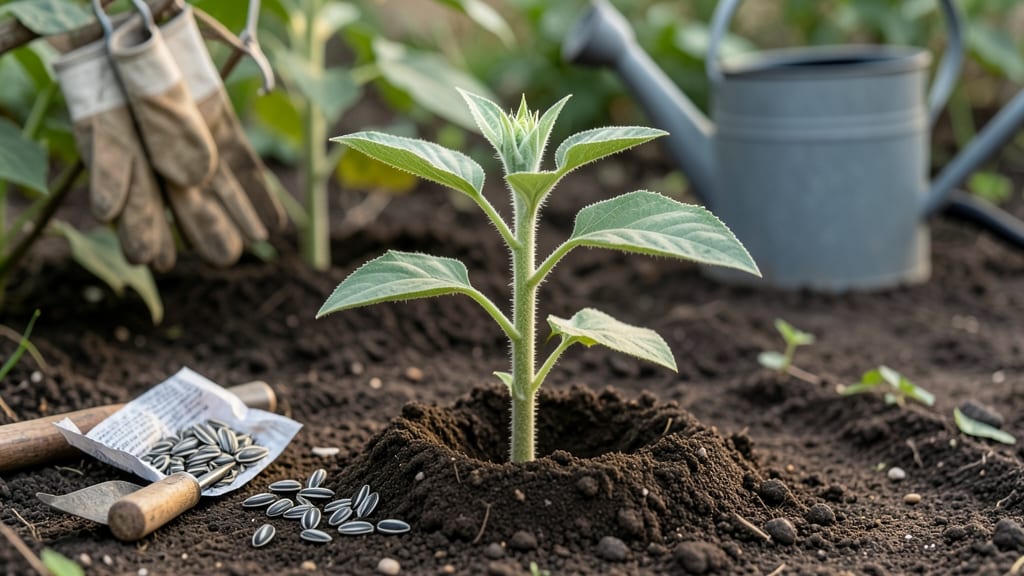
Planting sunflower seeds in Zone 8 works best when soil temperatures hit 60–70°F, which usually means waiting until mid-April or later.
Rushing too early can leave seeds sitting in cold soil for weeks, while planting too late risks stunted growth before summer’s peak. The key is balancing frost risk with warm soil—something I learned the hard way with my first batch of 🌻 giants.
For Zone 8 gardeners, the ideal window is mid-spring to early summer, but variety matters too. Dwarf types can handle cooler soil, while towering sunflowers need that warmth to germinate fast.
Below, I’ll break down the exact timing, soil checks, and spacing tricks to ensure your sunflowers shoot up fast and strong—no guesswork involved.
Zone 8 sunflower planting timeline: soil temperature triggers for germination
Sunflowers in Zone 8 love warmth, but timing your planting based on soil temperature—not just the calendar—is key to fast germination. Unlike cooler zones, Zone 8’s last frost dates (typically mid-March) don’t tell the full story. The real trigger?
Soil reaching 60–70°F, which usually happens 2–4 weeks after your average last frost. Planting too early in cold soil can leave seeds sitting dormant for weeks, while waiting too long risks missing the peak flowering window.
Your sunflower’s journey starts underground. Seeds need consistent warmth to sprout efficiently. In Zone 8’s southern regions (e.g., Florida, southern California), soil may warm early—sometimes as soon as February—while northern edges (e.g., Tennessee, Virginia) might not hit 60°F until April.
Use a soil thermometer to check: if it’s below 55°F, wait. Patience here prevents rot or slow starts.
Here’s the golden window for most Zone 8 sunflowers: mid-April to early June. This range accounts for soil warmth, daylight length, and microclimates. For giant varieties (like ‘Russian Giant’), aim for late April to May—they need longer growing seasons to reach their 10–14-foot heights.
Dwarf types (e.g., ‘Teddy Bear’) can handle early April or even late May plantings, as they mature faster.
Oil-type sunflowers (like ‘NuSun’) are the most flexible. They tolerate slightly cooler soils and can be sown as early as March in warm microclimates or as late as June for fall harvests. Their shorter stature (3–6 feet) also makes them ideal for succession planting—more on that later! The key is matching the variety to your local frost-free window, which in Zone 8 averages 240 days.
Microclimates in Zone 8 can shift your planting window by weeks. A south-facing slope or urban heat island might warm up 2–3 weeks earlier than a shaded valley. Test your soil in morning sunlight (avoid midday heat).
If your area has unpredictable spring temps, opt for slow-germinating varieties like ‘Autumn Beauty’—they handle cooler soils better than Russian Giants, which bolt (flower prematurely) in heat.
Direct sowing is the best method for sunflowers in Zone 8—they hate transplanting. Start seeds 1 inch deep in loose, well-draining soil. If you’re starting indoors (e.g., for early varieties), transplant outdoor-hardened seedlings only after soil hits 60°F and night temps stay above 50°F.
Hardening off (acclimating seedlings to outdoor conditions) takes 7–10 days and prevents shock.
Watch for false starts: seeds may sprout in 5–14 days if soil is warm, but stall if nights dip below 55°F. Keep soil consistently moist (not soggy) until seedlings have 2–3 true leaves.
Thin to 6–24 inches apart (depending on variety) to avoid crowding, which weakens stems and invites powdery mildew. In dry Zone 8 summers, mulch with straw or grass clippings to retain moisture.
For late-summer blooms, try a June planting of heat-tolerant varieties like ‘ProCut’ or ‘Energy’. These sunflowers thrive in 90°F+ temps and produce
How to maximize sunflower growth in Zone 8: spacing, depth, and post-planting care
Once you’ve timed your sunflower seeds right for Zone 8’s warm soil, the next critical steps are spacing, seed depth, and post-planting care. These factors directly impact stem strength, flower size, and resistance to pests.
I’ve learned that skipping even one of these can turn your towering dreams into a patchy disappointment.
For seed depth, aim for 1–2 inches below soil—no deeper, or germination slows. Use your finger to press the soil gently after planting; it should feel firm but not compacted. This simple step ensures consistent moisture without suffocating the seeds.
Spacing requirements vary by variety: dwarf types (1–3 ft tall) need 6–12 inches between plants, while giant varieties (10+ ft) demand 18–24 inches. Crowding leads to weak stems and increased disease risk, so measure carefully before dropping seeds.
⚠️ WARNING: Common Mistakes That Stunt Sunflower Growth ⚠️
After planting, water deeply but infrequently—sunflowers hate soggy roots. Aim for 1–2 gallons per plant every 3–5 days, focusing on the soil base. Drip irrigation works best to avoid wetting leaves, which attracts fungal diseases like powdery mildew.
Apply a 2-inch layer of mulch (straw or wood chips) around each plant to retain moisture and suppress weeds. This step alone can boost growth by 20–30% by reducing competition for nutrients. Replenish mulch every 4–6 weeks as it breaks down.
Watch for pest pressure like aphids or sunflower moths, which target young plants. A neem oil spray (1 tbsp per gallon of water) applied every 2 weeks prevents infestations without harming pollinators. Strong stems from proper spacing make plants more resilient to damage.
Finally, support tall varieties with stakes if winds exceed 10 mph. I’ve seen 12-foot sunflowers snap in half during storms—prevention is easier than recovery. With these care steps, your Zone 8 sunflowers will reach their full potential by late summer. 🌻