
Flowers
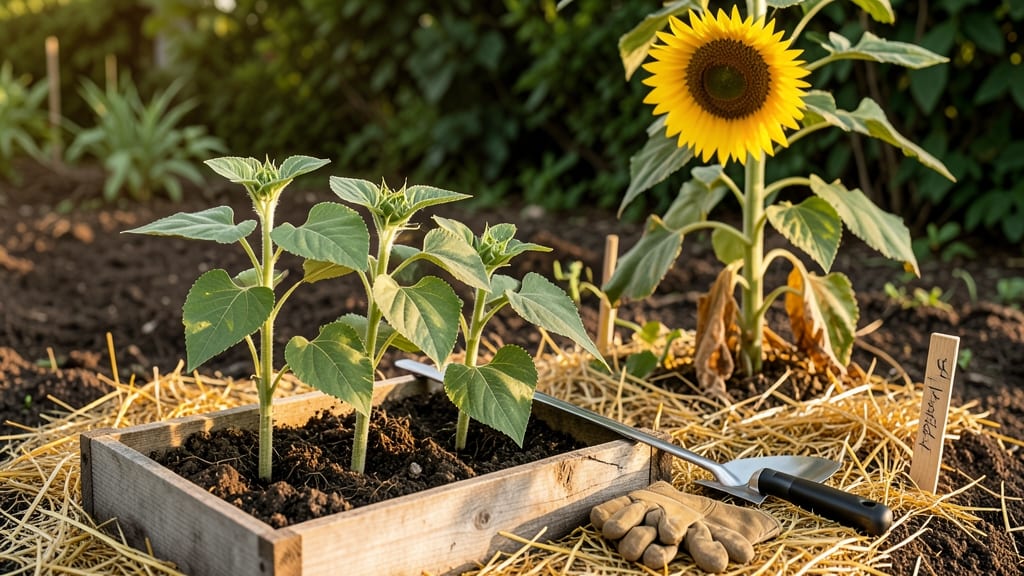
Planting sunflowers in Arkansas at the right time ensures towering blooms and thrives in USDA Zones 7a-8b, where timing is everything.
Picture this: you’ve sown your seeds, only to watch them crisp under a late frost or wilt in the summer heat. Sunflowers 🌻 need consistent warmth to grow, so planting too early or too late can mean the difference between a 10-foot giant and a sad, stunted plant.
Arkansas’ unpredictable spring weather—with last frosts lingering into April—means you’ve got a narrow window to get seeds in the ground. But don’t worry: with the right timing, you can coax those bright faces out of the soil by late summer, just in time for harvest.
In this guide, I’ll walk you through the exact planting windows for both spring and fall, plus tips for adjusting to Arkansas’ humidity and soil quirks. Ready to grow sunflowers that put on a show?
Arkansas sunflower planting calendar: frost-free dates by Zone 7a-8a
Sunflowers thrive in Arkansas' warm climate, but timing your planting window is critical to avoid frost damage and maximize germination success. The Arkansas Climate Office reports that Zone 7a (northern Arkansas) and Zone 8a (southern Arkansas) experience last frost dates that differ by up to 3 weeks.
Understanding these variations ensures your sunflowers grow tall and vibrant rather than wilt under unexpected cold snaps.
For Zone 7a, the average last frost date falls between April 15-30, while Zone 8a typically sees frost-free conditions by March 20-April 10. These dates mark the safest time to plant sunflower seeds directly outdoors, but soil temperature plays an equally important role.
Sunflowers need soil that's at least 55°F (13°C) for optimal germination.
| Zone | Last Frost Date | Ideal Planting Window | Soil Temp Requirement | First Frost Risk |
|---|---|---|---|---|
| Zone 7a (N. Arkansas) | April 15-30 | May 1-15 (after soil reaches 55°F) | ≥55°F (13°C) | Mid-November |
| Zone 8a (S. Arkansas) | March 20-April 10 | April 1-15 (after soil reaches 55°F) | ≥55°F (13°C) | Late November |
| Both Zones | N/A | Late July (for fall blooms) | ≥60°F (16°C) | Early December |
While spring planting dominates, Arkansas gardeners can also enjoy fall sunflowers by sowing seeds in late July. This second planting window capitalizes on Arkansas' long growing season, allowing sunflowers to mature before the first frost.
However, fall-planted sunflowers require soil temperatures of at least 60°F (16°C) to ensure proper germination.
Regional microclimates add another layer of complexity. For example, areas near the Arkansas River or Ouachita Mountains may experience earlier last frosts due to elevation changes or water bodies moderating temperatures. Always check local weather forecasts for 10-day outlooks before planting, especially if you're in a transitional zone.
Sunflowers are remarkably resilient, but they won't tolerate soil temperatures below 50°F (10°C) for extended periods. Use a soil thermometer to verify conditions before planting. If your soil is too cold, consider starting seeds indoors under grow lights 4-6 weeks before your target outdoor planting date.
For gardeners in Zone 7a, the window between the last frost and summer heat is narrow—typically just 4-6 weeks. This means you should plant sunflowers as soon as soil conditions allow.
In Zone 8a, you have slightly more flexibility with a 6-8 week window before summer's intense heat arrives.
Don't overlook the importance of seed depth and spacing. Plant sunflower seeds 1 inch deep and 6 inches apart, then thin seedlings to 12-18 inches apart once they're 4-6 inches tall. Proper spacing prevents overcrowding and ensures each plant gets adequate sunlight and nutrients.
If you're growing sunflowers for cut flowers or birdseed, aim to plant your main crop by mid-May in Zone 7a or early April in Zone 8a. This timing aligns with peak pollinator activity and ensures you'll have fully mature flower heads before summer's end.
Remember that Arkansas' humidity levels can accelerate fungal diseases if plants are overcrowded or watered improperly. Always water at the base of plants in the early morning to minimize disease risk while maintaining optimal moisture levels.
By following these zone-specific guidelines, you'll give your sunflowers the best chance to thrive in Arkansas' unique climate—producing those iconic 10-foot-tall blooms that bring so much joy to gardens across the state. 🌻
How to adjust sunflower planting for Arkansas weather patterns
Arkansas’ unpredictable spring weather—with late frosts lingering into April—can turn your sunflower dreams into a frosty disappointment. But with a few smart adjustments, you can extend your growing season and still enjoy those 10-foot giants by summer.
The key? Choosing the right varieties and protecting young plants from temperature swings.
I’ve learned that cold-hardy varieties like 'Autumn Beauty' or 'Teddy Bear' can handle Arkansas’ cooler springs, while mulching techniques add an extra layer of insulation. Even if a late frost hits, these strategies can save your seedlings. Let’s dive into how to beat Arkansas’ weather and keep your sunflowers thriving.
Spring Planting Adjustments
Pros
- Longer growing season
- More sunlight exposure
- Better pollinator activity
Cons
- Risk of late frost damage
- Slower germination in cool soil
- Requires extra mulching
Fall Planting Adjustments
Pros
- Extended blooms into fall
- Fewer pest pressures
- Warmer soil speeds growth
Cons
- Shorter daylight hours
- Early frosts can cut season short
- Less time for giant varieties
For spring planting, start seeds indoors in late March to get a head start. Once soil temperatures reach 60°F, transplant seedlings outdoors after the last frost date—usually mid-April in northern Arkansas and early April in the south.
Use black plastic mulch to warm the soil faster and protect seedlings from temperature drops.
If you’re planting in fall, aim for late July to early August. This gives sunflowers enough time to mature before first frost hits in November. Choose dwarf varieties like 'Moulin Rouge' if you want blooms before winter sets in.
Always water deeply in the morning to prevent fungal diseases from Arkansas’ high humidity.
One trick I swear by? Row covers for the first few weeks after transplanting. They shield young plants from unpredictable frosts while still allowing sunlight through. Remove them once plants are 6 inches tall—they’ll be tough enough to handle Arkansas’ heatwaves by then.
Don’t forget to monitor soil moisture during Arkansas’ summer heat. Sunflowers need 1-2 inches of water weekly, but let the top inch of soil dry between waterings to prevent root rot. Mulch with straw or wood chips to retain moisture and keep roots cool.
With these adjustments, your sunflowers will thrive year-round in Arkansas’ climate—whether you’re chasing giant blooms in summer or early fall color. Happy planting! 🌻