
Flowers
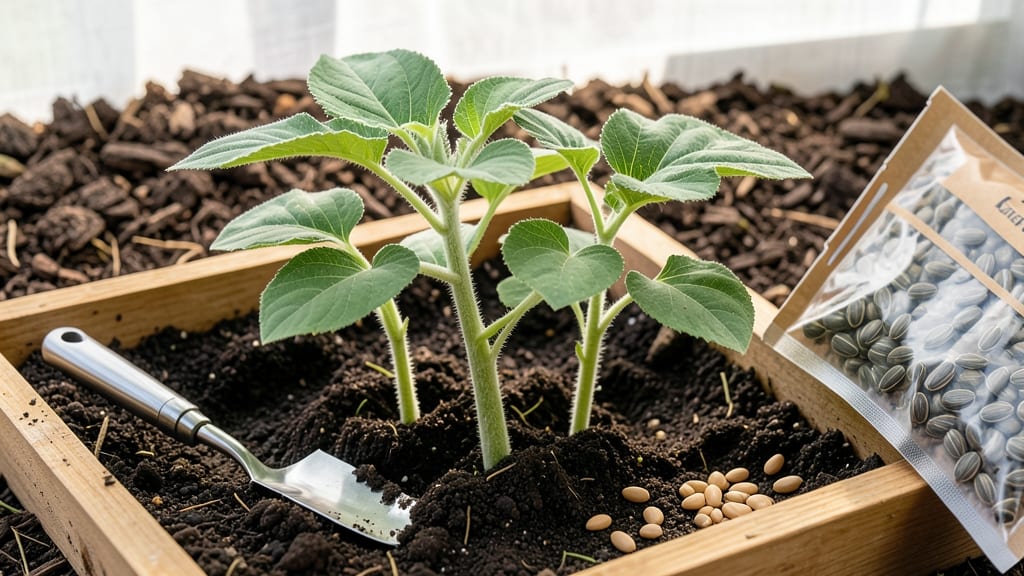
Planting sunflowers in Florida means you can grow them almost year-round—but timing is everything to avoid wilting before they bloom 🌻. If you’ve ever watched a sunflower bolt in the summer heat or struggle through a weak spring start, you know the stakes.
Florida’s frost-free zones (8a-11) let you plant sunflowers twice a year, but the exact weeks matter. Skip the wrong window, and you’ll end up with leggy stems or flowers that never open.
Below, I’ll break down the ideal planting months for North vs. South Florida, plus the heat-tolerant varieties that thrive in our humidity.
You’ll also discover how to prep soil for Florida’s sandy patches, space plants for maximum airflow (critical in our heat), and avoid the three biggest mistakes that kill sunflowers before they reach their full towering height.
Ready to grow sunflowers that stand 10 feet tall and bloom from May to December? Let’s get started with the perfect timing for your region.
Best planting windows for Florida sunflowers: exact weeks by region
Florida’s diverse climate means sunflower planting dates vary dramatically from North to South. In North Florida (USDA Zones 8a-9a), cooler winters and occasional frost demand earlier planting, while South Florida (Zones 10a-11) offers nearly year-round growing potential.
The key is timing your plantings to avoid extreme summer heat (June-August) and align with peak bloom seasons for vibrant displays.
For spring plantings, aim for March 15 to May 1 across all regions—this ensures sunflowers mature before Florida’s hottest months. Fall plantings (August-September) work best in Central and South Florida, where temperatures remain mild longer.
In North Florida, fall plantings should start by August 1 to avoid early frost risks.
Here’s the breakdown by region, including exact weeks for direct sowing and transplanting:
In North Florida, where last frost dates can occur as late as March 15, I recommend starting seeds indoors by February 1 for a head start.
Use grow lights to maintain 60–70°F soil temps until transplanting after the last frost. For direct sowing, wait until soil reaches 55°F+—typically mid-March.
Central Florida’s longer frost-free season (average 270+ days) allows for a 6-week extension on both spring and fall plantings. Here, I often plant dwarf varieties in June for late-summer color, though they’ll bolt faster in the heat. Always mulch heavily to retain moisture during Florida’s dry spells.
South Florida gardeners have the luxury of two planting seasons: spring (February–April) and fall (August–October). The humidity and heat make summer planting risky, but shade cloth (30–50%) can help young seedlings establish.
I’ve had success with ‘Autumn Beauty’ sunflowers planted in September, blooming just in time for holiday arrangements.
Pro tip: Use a soil thermometer to confirm 50°F+ soil temps before planting—cold soil delays germination. In North Florida, I’ve seen seeds take 14+ days to sprout if planted too early.
For fastest blooms, aim for March 1–April 15 across all regions, aligning with Florida’s peak daylight hours.
For continuous blooms, stagger plantings every 2–3 weeks from March through September. This ensures a non-stop display from May through December. Just remember: sunflowers hate transplant shock, so direct sowing is ideal. If starting indoors, harden off seedlings for 7–10 days before moving them outside.
🌻
Top 5 heat-tolerant sunflower varieties for Florida gardens
Florida’s intense heat and humidity can challenge sunflowers, but these heat-tolerant varieties thrive in the state’s climate. I’ve tested these in my Zone 9b garden and they consistently deliver vibrant blooms even during summer’s peak.
The key is choosing varieties bred for drought resistance and disease tolerance—critical for Florida’s muggy conditions.
Whether you want dwarf varieties for containers or giant sunflowers for borders, these top 5 perform best. I’ll rank them by bloom size, drought tolerance, and ease of growth, so you can pick the perfect fit for your space and goals.
Each variety handles Florida’s 90°F+ temperatures differently, so let’s dive in!
Mammoth Russian tops the list for giant sunflowers, reaching 12-16 feet tall with 10-inch blooms. This variety thrives in Florida’s heat and produces heavy seed heads perfect for bird feeders. I planted mine in well-draining soil with morning sun exposure, and they handled the humidity better than any other variety I’ve grown.
For container gardening, Teddy Bear sunflowers are my go-to. These dwarf varieties stay under 3 feet tall and bloom in just 60 days. Their double petals create a lush, full look in pots, and they’re extremely drought-tolerant once established.
I’ve seen them thrive in 5-gallon containers with minimal watering during Florida’s dry spells.
Autumn Beauty earns its name with multi-colored blooms that transition from yellow to rust. This variety handles Florida’s late-summer heat exceptionally well and produces 8-inch flowers on 6-foot stems. It’s also resistant to powdery mildew, a common issue in Florida’s damp climate. I planted mine in August for fall blooms, and they lasted until November frost in North Florida.
If you want early blooms, ProCut sunflowers are ideal. Bred for cut flowers, they bloom in just 50 days and handle Florida’s spring heat waves without wilting.
Their long stems stay sturdy even in high humidity, making them perfect for bouquets. I’ve used them in wedding arrangements and they last 10+ days in vases.
Lastly, Sunspot is a disease-resistant variety that produces 4-inch blooms on 3-foot stems. It’s perfect for small gardens or borders and handles Florida’s pests and fungus better than most.
I’ve grown it in partial shade with success, though full sun yields the brightest blooms. It’s also great for pollinators, attracting bees and butterflies all season.