
Flowers
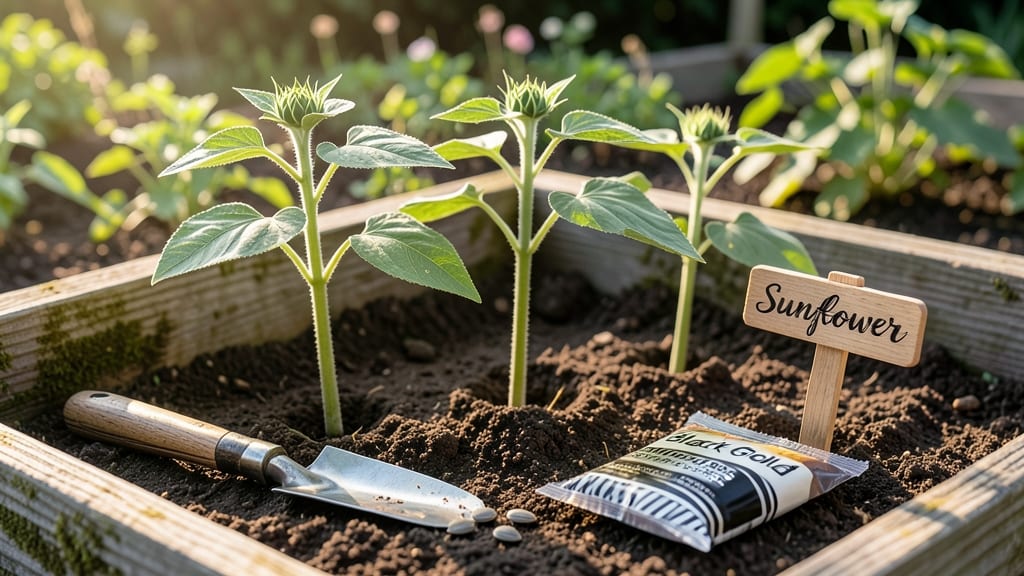
Planting sunflowers in Connecticut after the last frost—when soil temperatures hit 60°F—is the secret to fast, healthy growth and a bountiful harvest.
If you’ve ever watched your 🌻 seedlings struggle in cool soil or bolt too quickly in summer heat, you know timing matters. Connecticut’s 6a zone gives you a narrow window—about mid-April to early June—to get seeds in the ground just right.
Miss it, and you’ll either lose them to frost or watch them race toward flower before the seeds mature.
Here’s what you need to know: soil temperature is the real game-changer, not just the calendar. I’ll break down the exact triggers, how to prep your soil for faster germination, and which sunflower varieties hold up best in CT’s unpredictable spring.
By the end, you’ll have a foolproof plan to grow sunflowers that tower over your garden fence—without the guesswork.
Optimal planting time for sunflowers in Connecticut based on soil temperature
Sunflowers (Helianthus annuus) are one of Connecticut’s most rewarding summer blooms, but timing your planting is everything. In USDA zones 5b–6a, the difference between a thriving sunflower and a frost-nipped failure often comes down to soil temperature and last frost dates.
Most gardeners in CT plant too early, risking seeds rotting in cold soil—here’s how to get it right.
Connecticut’s last average frost date falls between mid-April and early May, depending on your region. However, soil temperature matters more than air temperature. Sunflower seeds need soil to stay consistently above 60°F for at least a week before planting.
In inland areas like Hartford, this typically means waiting until late May, while coastal regions like New London can plant as early as mid-May.
Why soil temperature? Sunflower seeds germinate best when soil is warm, and cold soil delays sprouting or causes rot. A soil thermometer is your best tool—plant when readings hit 60°F+ for 5 consecutive days. If you’re unsure, use the back-of-the-hand test: press your hand into the soil; if it feels warm, it’s ready.
| Planting Window | Soil Temp Requirement | Last Frost Date | Zone 5b Adjustment | Zone 6a Adjustment |
|---|---|---|---|---|
| Late May | 60°F+ (daytime) | After May 15 | Wait until June 1 | Safe by May 20 |
| Early June | 55°F+ (minimum) | After May 20 | Best for late starters | Ideal for second planting |
| Coastal CT (e.g., New London) | 58°F+ (softer climate) | After May 1 | Plant by May 10 | Plant by May 5 |
| Inland CT (e.g., Hartford) | 62°F+ (warmer needed) | After May 15 | Wait until May 25 | Safe by May 20 |
For zone 5b gardeners (northern CT), err on the side of caution—planting too early is riskier than waiting. If you’re in zone 6a (southern CT), you can start as early as late April under row covers, but remove them once soil hits 55°F to prevent overheating.
Pro tip: Use black plastic mulch to warm soil faster if you’re eager to plant early. Lay it down 1–2 weeks before sowing to raise soil temperature by 5–10°F. This trick works especially well for dwarf varieties like ‘Teddy Bear,’ which mature faster and tolerate cooler soils.
If you miss the spring window, don’t despair—sunflowers are heat-loving annuals that can handle early summer plantings (June) as long as you provide consistent water. Just be prepared for slightly shorter stems, as late plantings have less time to mature before frost.
One common mistake in CT is planting sunflowers too close to the last frost. Even if the air warms up, cold nights can stunt growth. Aim to plant 4–6 weeks before your first expected frost (typically mid-October) to ensure blooms open before temperatures drop below 40°F.
For maximum height and seed production, prioritize planting in May. This gives sunflowers enough time to reach their full potential before CT’s 165-day frost-free season ends. Varieties like ‘Moulin Rouge’ (10–12 ft) or ‘Russian Giant’ (14+ ft) need this full window to shine.
Test your soil’s readiness with a soil thermometer for 3 days in a row. If temperatures dip below 55°F at night, delay planting. Remember, sunflowers are resilient, but germination speed (5–14 days) depends entirely on soil warmth—not just air temperature.
🌻
How to prepare Connecticut soil for sunflower germination (step-by-step)
Connecticut’s clay-heavy soil and unpredictable spring weather can stifle sunflower growth if not prepped properly. The key to fast germination and strong seedlings starts with loosening compacted soil and balancing nutrients.
I’ve learned the hard way—skipping soil prep means seeds rot or sprout too slowly, leaving them vulnerable to late frosts.
Sunflowers prefer a pH between 6.0 and 7.5, but many CT gardens test higher due to limestone bedrock. A simple soil test kit (available at local nurseries) will reveal your exact pH. If it’s too alkaline, mix in sulfur or peat moss to lower it gradually.
For acidic soil, add lime sparingly—overcorrecting can harm your plants.
Here’s my step-by-step soil prep guide tailored for Connecticut’s growing conditions, including how to handle clay and boost drainage:
🌱 Step-by-Step Soil Prep for Sunflowers in CT
- Test your soil using a pH test kit. Aim for 6.0–7.5. Connecticut’s clay soil often skews alkaline—adjust with sulfur if needed.
- Loosen soil 1–2 inches deep with a garden fork or tiller. Break up clay clumps to improve water drainage and root penetration.
- Add 2–3 inches of compost to enrich soil with organic matter. Mix it in well—this feeds microbes and improves soil structure.
- Incorporate bone meal (1 tbsp per planting hole) for a phosphorus boost, which encourages strong root and flower development.
- Rake the area smooth to create a fine seedbed. Remove rocks and debris—sunflower seeds need direct contact with soil to germinate.
- Water deeply 1–2 days before planting to settle the soil. Avoid muddy conditions, which can suffocate seeds.
- Mulch lightly with straw after planting to retain moisture and suppress weeds, but keep mulch 1 inch away from stems.
For clay-heavy regions like Hartford or New Haven, add coarse sand or perlite to improve drainage. In well-draining areas (like coastal CT), focus on retaining moisture with organic mulch.
I’ve found that amending soil in fall gives it time to integrate before spring planting—just till it in after the first frost.
After prepping, plant seeds 1 inch deep and 6–12 inches apart (depending on variety). Water gently to avoid displacing seeds, and keep soil moist until germination (about 7–14 days at 60°F+ soil temp). Once sprouted, thin seedlings to 18–24 inches apart for full sun exposure.
Pro tip: If your soil feels too dense, try raised beds filled with a mix of topsoil, compost, and coconut coir. This mimics ideal conditions for sunflowers and cuts down on weeding.
With the right prep, your sunflowers will shoot up 3 feet in just 3 weeks—worth the effort! 🌻