
Flowers
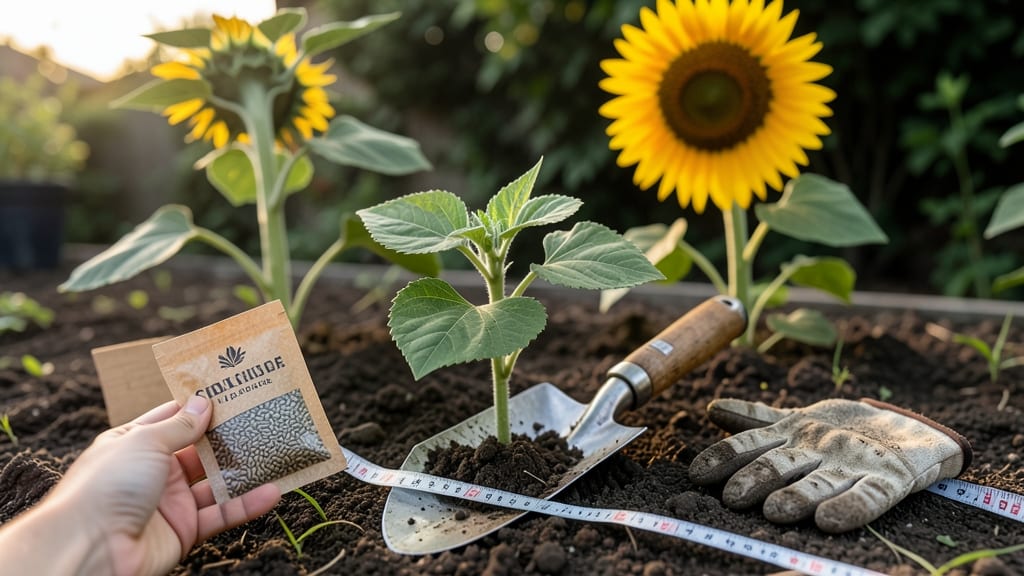
Planting sunflowers in Portland, Oregon, starts with timing them to your last frost date—typically mid-April—so they burst into bloom by summer.
Portland’s unpredictable weather can turn sunflower gardening from a joyful experience into a gamble—but timing your planting just right guarantees those towering, golden blooms you’ve dreamed of.
With microclimates ranging from coastal chill to inland warmth, knowing exactly when to plant sunflowers in Portland is the secret to a thriving garden.
Most gardeners here aim for late April to early June, balancing soil warmth with frost risks. The key? Wait until the ground reaches 50°F and the air stays reliably above freezing—no more guessing games.
In this guide, I’ll break down the perfect planting window for your neighborhood’s microclimate, plus soil prep tips and sunflower varieties that thrive in Portland’s mild summers.
Portland’s ideal sunflower planting window: microclimate breakdown by zone
Portland’s USDA Zones 7b-8a create unique challenges for sunflower growers, with coastal areas like Sauvie Island experiencing chillier springs while inland spots near Beaverton warm up faster.
The key to success? Planting after your local last frost date—which can vary by 10-14 days between neighborhoods—and when soil temperatures hit at least 50°F.
For most Portland gardens, this means starting seeds indoors by late March and transplanting outdoors between mid-April and early June. However, coastal gardeners should wait until late April to early May, while inland areas can push to early June for second plantings.
These timing differences ensure your sunflowers mature before Portland’s first frost, typically around mid-October.
Here’s how to navigate Portland’s microclimates with precision:
If you’re unsure about your local frost dates, check the Oregon State University Extension’s Portland Metro Frost Tracker or use a soil thermometer to confirm warmth. For early springs, opt for heat-tolerant varieties like 'Autumn Beauty'—they handle Portland’s unpredictable summer heatwaves better than traditional types.
For late springs (like 2021’s delayed warmth), start seeds indoors by mid-March and use grow lights to jumpstart growth. Transplant hardened-off seedlings into black plastic mulch to warm the soil faster—a trick I’ve used in my coastal Portland garden to extend the season by 2-3 weeks.
Pro tip: Direct-sow seeds in late May for a second harvest by late summer. Choose shorter varieties like 'Teddy Bear' (3-4 feet tall) to avoid wind damage from Portland’s summer storms. Space them 12-18 inches apart in well-draining soil amended with compost.
Remember, sunflowers thrive on consistent moisture during their first 4-6 weeks. In Portland’s dry summers, water deeply 2-3 times per week until they’re established. Once mature, they’re drought-tolerant, making them perfect for low-maintenance gardens.
By aligning your planting with your microclimate’s frost dates and soil warmth, you’ll enjoy towering sunflowers that bloom from July through September, attracting pollinators and adding bold color to your garden. Happy planting! 🌻
How to time sunflower planting for maximum height and bloom: soil, spacing, and Seed Depth
Sunflowers in Portland need the right conditions to reach their full potential—especially with our compacted urban soil and urban heat islands that can stress young plants.
The key to maximum height and vibrant blooms lies in preparing your soil, choosing the right dwarf vs. giant varieties, and spacing seeds correctly for optimal sunlight exposure.
First, test your soil’s drainage and pH. Portland’s clay-heavy soil often needs amendments like compost or sand to prevent waterlogging. Aim for a pH between 6.0 and 7.0, which sunflowers thrive in. If your soil is too dense, consider raised beds or containers for better root development.
-
🌱 Soil Prep Checklist:
- Test soil pH (ideal: 6.0-7.0)
- Add 2-3 inches of compost to improve fertility
- Loosen soil to 12 inches deep for root growth
- Mix in sand or perlite if soil is clay-heavy
-
🌿 Spacing Guidelines:
- Dwarf varieties: 12-18 inches apart
- Standard varieties: 18-24 inches apart
- Giant varieties: 24-36 inches apart
- Plant in full sun (6+ hours/day) for best growth
-
🌾 Seed Depth & Timing:
- Plant seeds 1 inch deep in well-drained soil
- Wait until soil is 50°F+ (after last frost)
- Sow seeds late April to early June in Portland
- Thin seedlings to strongest 2-3 plants per spot
For urban heat islands, opt for dwarf or semi-dwarf varieties like ‘Teddy Bear’ or ‘Moulin Rouge’ if your space is limited or gets intense afternoon sun. These varieties also handle Portland’s shorter growing season better than towering giants like ‘Russian Giant,’ which may not fully mature.
When transplanting seedlings, harden them off for 3-5 days by placing them outdoors in partial shade before moving to their permanent spot. This helps them adapt to Portland’s variable weather and reduces transplant shock. Water deeply after transplanting to encourage root establishment.
Finally, monitor your sunflowers for pests like aphids or powdery mildew, which thrive in Portland’s humid summers. Prune lower leaves to improve air circulation and sunlight penetration, especially for taller varieties.
With the right timing and care, your sunflowers will reward you with stunning blooms and record-breaking heights. ☀️🌻