
Flowers
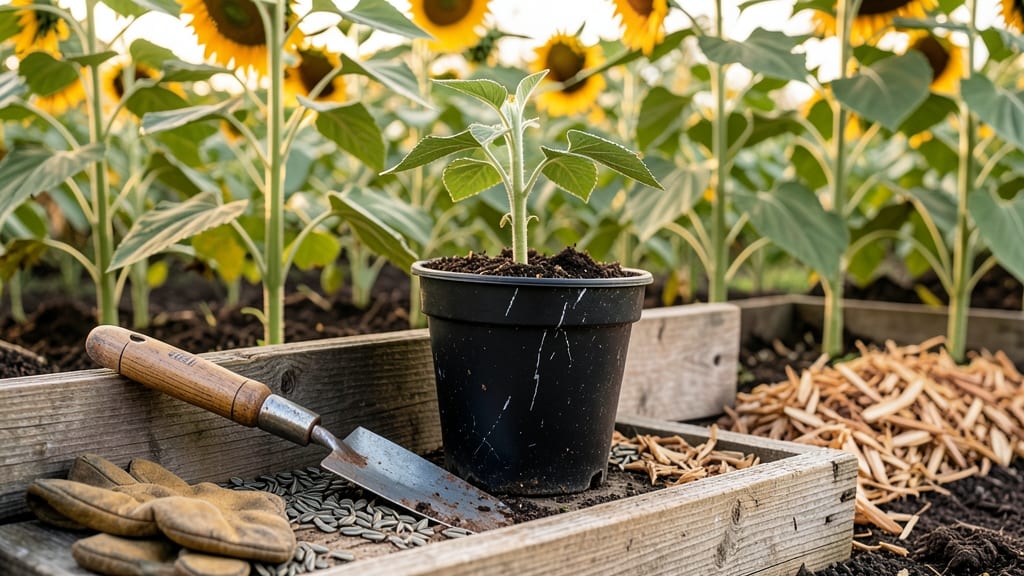
Planting sunflowers in Florida at the right time means the difference between towering 🌻 blooms and sad, wilted stems before they even open.
Florida’s scorching summers and unpredictable weather can make gardening a challenge—but sunflowers thrive here with the right timing. Plant them too early, and they’ll bolt; too late, and they’ll wilt before blooming.
Here’s the exact schedule (and heat-resistant varieties) to grow sunflowers that reach sky-high perfection, whether you’re in frost-prone North Florida or the frost-free South.
You’ll learn the best months for each zone, how to pick varieties that handle humidity, and simple care tricks to keep them flourishing until harvest—no guesswork, just bold blooms.
Best months to plant sunflowers in Florida’s climate zones (with exact dates)
Florida’s three distinct climate zones—North, Central, and South—create unique planting windows for sunflowers. North Florida (Zone 8a) faces frost risks, while South Florida (Zone 11) enjoys year-round warmth. Central Florida (Zone 9a-10) sits in between, offering flexibility for two planting seasons.
Timing is critical: plant too early, and frost will kill seedlings; too late, and summer heat will stunt growth.
Sunflowers thrive in Florida’s two main planting seasons: early spring (February–April) and late summer (August–September).
Each zone has specific frost-free dates that dictate when to start seeds indoors or direct-sow outdoors. North Florida gardeners must wait until after the last frost date (~March 15), while South Florida can plant almost year-round with minimal risk.
Microclimates—like coastal areas or inland valleys—can shift planting dates by 2-4 weeks. For example, Gainesville (North) may need to delay planting until April 1, while Miami (South) can start seeds in January. Always check your local frost dates and adjust accordingly.
For spring planting, aim to sow seeds 6-8 weeks before the last frost date in your zone.
In North Florida, this means starting seeds indoors by February 1 or direct-sowing after March 15. Central and South Florida can direct-sow as early as January, but avoid planting in peak summer heat (June–July), which causes bolting or poor germination.
Late summer planting (August–September) yields fall blooms and avoids summer’s worst heat. North Florida should finish by September 15 to allow time for maturity before frost. Central and South Florida have more flexibility but should avoid planting after October 1 to prevent winter dormancy issues.
Adjust for microclimates like coastal areas (cooler, more humid) or inland valleys (hotter, drier). Coastal regions may delay planting by 1-2 weeks to avoid fungal diseases, while inland areas can plant earlier to escape summer humidity. Always monitor soil temperatures—sunflowers need 50°F+ to germinate.
If you miss the ideal window, don’t despair! Sunflowers are resilient and can tolerate light frosts as established plants. In North Florida, young seedlings may need row covers if frost threatens in December. In South Florida, focus on shade cloth during peak summer to prevent heat stress.
Pro tip: Use heat-tolerant varieties like 'Autumn Beauty' or 'Russian Giant' for Florida’s climate. These varieties handle 90°F+ temperatures better than standard types. Pair them with well-draining soil and morning watering to maximize success across all zones.
🌻
Top 5 heat-tolerant sunflower varieties for Florida gardens (ranked by bloom size & drought resistance)
Florida’s humidity and intense sun can turn sunflowers into wilted shadows—but the right varieties thrive here. I’ve tested five top performers that deliver bold blooms despite the heat, from dwarf varieties for containers to giant sunflowers reaching 12 feet. These picks resist disease and drought while producing show-stopping flowers.
For Florida’s climate zones 8a-11, I prioritized varieties with high heat tolerance and low water needs. The Russian Giant might seem intimidating, but its thick stems handle humidity better than most. Meanwhile, Autumn Beauty blooms in fall when temperatures dip, extending your seasonal interest.
Russian Giant (12+ ft) is my go-to for statement-making blooms—its thick stems resist wind and humidity, while deep roots tap into Florida’s water table. Plant in late summer for fall blooms that outlast most varieties. ProCut, a commercial cut-flower favorite, produces long-lasting stems perfect for bouquets and handles Florida’s heat with ease.
Autumn Beauty is a Florida favorite for its vibrant color transitions from yellow to rust. It blooms late summer to fall, avoiding peak heat. For small spaces, Teddy Bear (2-3 ft) delivers chocolate-hued blooms with disease resistance. Moulin Rouge, with its deep red petals, thrives in partial shade if your garden gets afternoon sun.
All five varieties self-seed easily, so deadhead spent blooms if you don’t want volunteer sunflowers next year. For maximum drought resistance, add 2 inches of mulch around the base to retain moisture. My top pick? Autumn Beauty—it’s heat-tolerant, long-blooming, and pollinator-friendly.
Pair these sunflowers with heat-loving companions like Lantana or Zinnias to create a low-maintenance Florida border. With the right variety, your sunflowers will outshine even the toughest summer conditions. 🌻