
Flowers
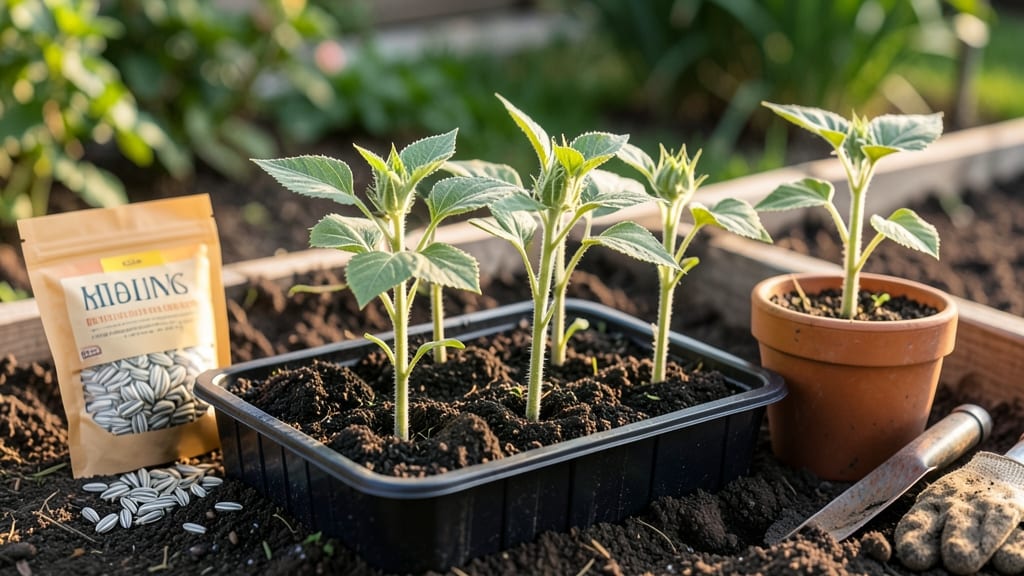
Planting sunflowers in San Diego means timing it right for fast growth and vibrant blooms year-round — but the coastal climate has a few tricks.
Sunflowers thrive in San Diego’s coastal climate—but planting them at the wrong time means stunted growth or even failure. Timing is everything for vibrant blooms that last all summer.
Unlike many regions, San Diego’s frost-free winters mean you can plant sunflowers almost anytime. However, the key to quick germination and strong stems lies in waiting until the soil warms to at least 50°F.
Below, I’ll break down the best months to plant for fast growth, how to adjust for coastal winds, and which sunflower varieties handle San Diego’s heat best.
Best planting windows for sunflowers in San Diego’s coastal microclimates
San Diego’s coastal microclimates create perfect conditions for sunflowers—no frost risk and year-round growing potential. However, North County’s cooler coastal breezes and South County’s warmer inland valleys require different planting strategies.
The key is timing your sunflowers to avoid summer heat stress (June–August) while maximizing spring and fall blooms.
Unlike most regions, San Diego’s USDA Zone 10a means sunflowers can grow almost anytime. But for fastest growth and vibrant blooms, I focus on two prime windows: early spring (March–April) and late summer (August–September). These periods balance soil warmth (ideal at 50°F+) with moderate temperatures.
Here’s the critical difference: North County gardeners should plant 2–3 weeks later than South County due to cooler coastal air. For example, while South County can start seeds in late February, North County waits until mid-March to avoid chilly coastal winds that slow germination.
For fastest growth, I recommend starting seeds indoors 2–3 weeks before your zone’s outdoor planting window. San Diego’s long growing season lets you experiment with succession planting: Sow a new batch every 2 weeks from March through September for continuous blooms.
One common mistake? Planting in June or July when temperatures exceed 90°F. Sunflowers bolt quickly in heat, leading to smaller blooms or stem weakness. Instead, I opt for shade cloth during peak afternoon sun or choose heat-resistant varieties like 'Moulin Rouge' for summer plantings.
Coastal gardeners should also test soil salinity near the ocean—sunflowers hate salt buildup. Amend soil with compost and gypsum if your garden is near salt-spray zones. For inland areas, focus on well-draining soil to prevent root rot during our occasional winter rains.
Pro tip: Use black plastic mulch to warm soil faster in spring. This lets North County gardeners plant 1–2 weeks earlier than the table suggests. Just remove mulch once flowers appear to prevent overheating.
If you’re growing sunflowers for seeds, aim for late summer plantings (August–September). These mature just as fall temperatures cool, producing larger, oil-rich seeds before winter dormancy. For cut flowers, prioritize spring plantings to enjoy blooms during San Diego’s driest months (May–July).
Remember: Sunflowers are annuals, so each planting cycle is fresh. With the right timing, you’ll enjoy 6-foot-tall blooms from spring through fall—no frost to fear in San Diego’s paradise! 🌻
How to adjust planting for San Diego’s unique coastal weather challenges
San Diego’s coastal winds and salty soil can challenge even the hardiest sunflowers. The Pacific breeze dries out plants quickly, while sandy, saline soil drains nutrients faster than most annuals can absorb them. But with the right adjustments, you can grow sunflowers that thrive year-round.
First, focus on soil preparation. Coastal soil often lacks organic matter, so mix in 3–4 inches of compost before planting. This improves water retention and reduces salinity’s impact on young roots. For containers, use a well-draining potting mix with perlite to prevent root rot from spring rains.
⚠️ callout warning ⚠️
Next, time your watering to combat San Diego’s unpredictable spring rains. Water deeply in the morning to let excess moisture evaporate before evening. Avoid overhead sprinklers, which spread soil-borne diseases in damp coastal air. Instead, use drip irrigation or soaker hoses to deliver water directly to roots.
To extend your blooming season, try successive planting. Start with early spring varieties (March–April) for summer flowers, then follow with fall plantings (September) for late-season color. Mulch heavily with straw or wood chips to retain moisture and regulate soil temperature during San Diego’s temperature swings.
Finally, watch for pest pressure from coastal humidity. Aphids and spider mites thrive in windy, salty conditions. Spray plants with neem oil every 2 weeks or introduce ladybugs for natural control. Prune lower leaves regularly to improve airflow and reduce disease risk.
With these adjustments, your sunflowers will outgrow coastal challenges and reward you with bold blooms from spring to fall. The key is preparation—amend soil, protect from wind, and water wisely. Happy growing! 🌻