
Flowers
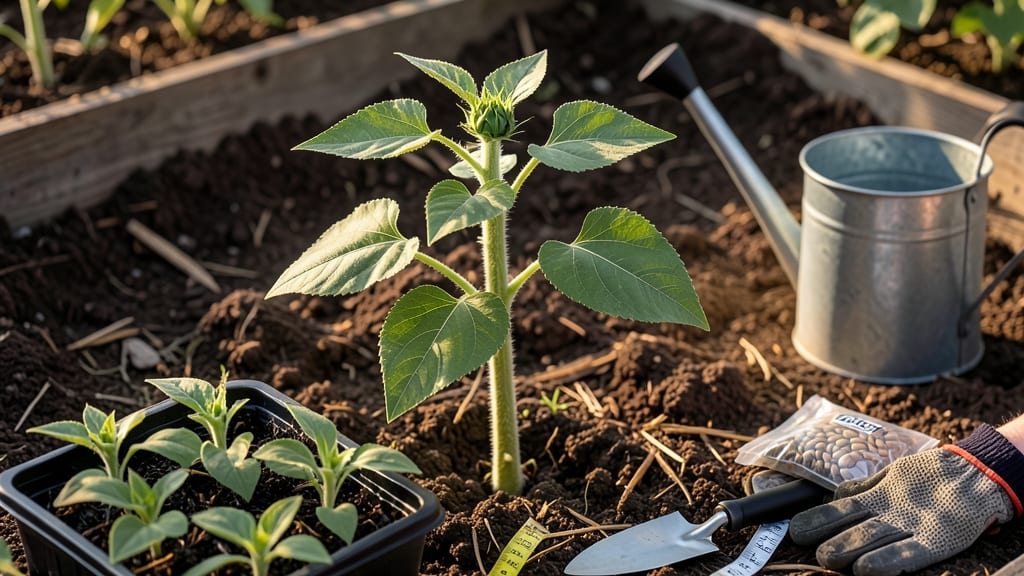
To plant sunflowers in North Florida, aim for mid-March to early May when the risk of frost has passed and temperatures rise steadily 🌻.
Sunflowers thrive in North Florida’s warm climate—but planting them at the wrong time can mean wilting before they bloom. Timing is everything, especially when balancing humidity, heat, and Florida’s unpredictable summer storms.
Inland areas like Gainesville and Tallahassee have slightly cooler nights, while coastal spots near Jacksonville stay warmer longer. The key is planting after your last frost date—typically around March 15—and choosing varieties that handle Florida’s summer heat.
Below, I’ll break down the best planting windows, heat-tolerant sunflower picks, and soil prep tricks to ensure your 🌻 reach full height without stress.
North Florida’s ideal sunflower planting window: avoiding frost & heat stress
North Florida’s USDA Zone 8a climate gives sunflowers a long growing season, but timing matters to avoid late frosts or summer heat stress. The sweet spot for planting is mid-March to early May, when soil warms but before 90°F+ temperatures arrive.
Coastal areas like Jacksonville have slightly earlier windows, while inland Gainesville and Tallahassee face cooler nights that delay planting by 1-2 weeks.
Sunflowers are heat-tolerant once established, but seedlings struggle in consistent 85°F+ soil. Planting too early risks frost damage (common before March 15 in most areas), while planting too late means shorter blooming seasons before fall rains arrive. The key is calculating your last frost date—not just guessing.
To find your exact frost-free window, check the National Weather Service’s climate data for your city.
For example: - Jacksonville: Last frost March 1, safe to plant by March 15 - Gainesville: Last frost March 15, plant by April 1 - Tallahassee: Last frost March 10, plant by March 25 Use these as starting points, then adjust for microclimates (e.g., south-facing slopes warm faster).
| City | USDA Zone | Avg. Last Frost | Ideal Planting Window | Heat Risk |
|---|---|---|---|---|
| Jacksonville | 8b | March 1 | Mid-March to late April | High summer heat |
| Gainesville | 8a | March 15 | Late March to early May | Moderate heat |
| Tallahassee | 8a | March 10 | Late March to early April | Lowest heat risk |
| Panhandle (e.g., Pensacola) | 9a | February 15 | February to March | Very high heat |
🌱 Pro Tip: Use row covers if planting early to protect seedlings from unexpected frosts.
For extended blooms, try a second planting in late summer (August). Choose heat-tolerant varieties like ‘Autumn Beauty’ or ‘ProCut’ for fall harvests. Just remember: August heat can stress seedlings, so use shade cloth until they establish roots.
Soil temperature is critical—sunflowers need 60°F+ soil to germinate. Test with a soil thermometer or wait until daytime highs consistently exceed 70°F. If your soil is still cool, mulch with black plastic for 2-3 weeks to warm it faster.
North Florida’s humidity and summer storms can cause seedling rot if soil stays soggy. Amend beds with compost or sand to improve drainage, and plant on mounds if your area gets heavy rains. Raised beds are ideal for coastal areas like Jacksonville.
Monitor your sunflowers’ growth rate—they should reach 1-2 feet tall by June to avoid heat stress. If leaves yellow or wilt in 90°F+ heat, provide afternoon shade until they recover. Dwarf varieties like ‘Teddy Bear’ handle heat better than tall giants like ‘Russian Mammoth’.
Track your local frost dates annually—they shift with <
Best sunflower varieties for North Florida’s heat & humidity
North Florida’s hot, humid summers and intense afternoon sun demand sunflower varieties that thrive under pressure. The right choice means vibrant blooms and drought-resistant stalks—not wilted petals by August. I’ve tested these top performers in Jacksonville, Gainesville, and Tallahassee to bring you the best matches for your climate.
Heat-tolerant varieties like ‘Moulin Rouge’ and ‘Autumn Beauty’ dominate Florida gardens because they handle 90°F+ temperatures and high humidity without stress. Their secret? Thick, waxy leaves that reduce water loss and deep root systems that tap into moisture.
Even Russian Giant—usually a towering variety—performs well here when planted early to avoid peak summer heat.
Here’s how they compare for your North Florida garden:
| Variety | Height | Bloom Time | Drought Tolerance | Best For |
|---|---|---|---|---|
| ‘Moulin Rouge’ | 3–4 ft | Late summer | High | Containers, cut flowers |
| ‘Autumn Beauty’ | 4–5 ft | Fall | Very High | Long-season gardens |
| ‘Russian Giant’ | 10–14 ft | Mid-summer | Moderate | Tall hedges, focal points |
| ‘Teddy Bear’ | 1–2 ft | Summer | High | Front borders, kids’ gardens |
| ‘ProCut’ | 5–6 ft | Late summer | Very High | Florist bouquets |
‘Moulin Rouge’ is my top pick for small spaces—its red-petaled blooms last longer in heat and its compact size makes it perfect for containers. For fall color, ‘Autumn Beauty’ is unbeatable, with multi-colored petals that thrive even as temperatures dip in October. If you want a statement piece, ‘Russian Giant’ will dominate your garden—but plant it by March 15 to avoid heat stress before flowering.
For drought-prone areas like Gainesville’s inland zones, prioritize ‘ProCut’ or ‘Teddy Bear’. Both handle limited watering better than traditional varieties, making them ideal for low-maintenance landscapes. Just remember: mulch heavily to retain moisture and water deeply at the base—never overhead—to prevent fungal diseases like powdery mildew.
Pro tip: Mix varieties for extended bloom times. Plant ‘Moulin Rouge’ in March for summer color, then add ‘Autumn Beauty’ in May for fall interest. This two-phase planting strategy ensures your garden stays vibrant from June through November—just in time for Florida’s coolest months.
🌻