
Flowers
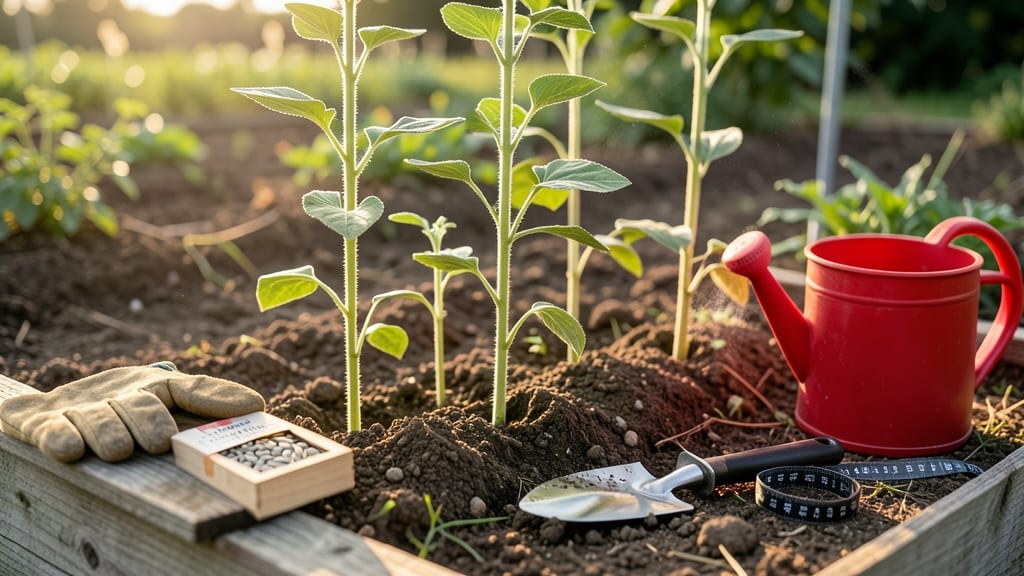
Plant sunflowers in Zone 7 between mid-April and early June to catch the 180 frost-free days they need to reach their towering heights 🌻.
Sunflowers aren’t just beautiful—they’re fast-growing, pollinator magnets that thrive in Zone 7’s warm climate. Plant them at the wrong time, though, and you’ll miss their towering blooms entirely.
Here’s the exact frost-free planting window to ensure your sunflowers reach their full potential—from seed to sunlit glory. Whether you’re sowing directly or transplanting, timing is everything.
In this guide, I’ll break down the best dates by frost risk, soil temperature thresholds, and even how to extend your season for continuous blooms. Ready to grow sunflowers that rival the sky?
Zone 7 sunflower planting timeline: best dates by frost risk
Sunflowers in Zone 7 thrive when planted after the last frost date—typically mid-April—but timing varies by sub-region. The Piedmont (e.g., Raleigh) warms faster than the Appalachian foothills (e.g., Asheville), so adjust your schedule accordingly.
Soil must reach 55°F+ for germination, which usually aligns with late April to early May in most areas.
Direct sowing is ideal for sunflowers because they hate root disturbance. Transplanting seedlings can stunt growth, especially for giant varieties like 'Russian Giant' that need deep roots. Start seeds indoors only if you’re in a cooler microclimate—4–6 weeks before last frost—but harden them off carefully before transplanting.
Here’s your Zone 7 sunflower planting timeline, broken down by regional frost averages and soil readiness. Use this to pinpoint the best window for your location:
For dwarf varieties like 'Teddy Bear,' you can push planting to early July—they’ll bloom before the first frost (avg. Oct 15–Nov 1). However, giant sunflowers need a 90–120-day growing season, so plant them by mid-May in cooler areas to avoid frost damage.
Monitor your local frost dates using the USDA Plant Hardiness Zone Map or a frost calendar for your county. In Zone 7a (colder end), aim for May 1 planting; in Zone 7b (warmer), April 15 is safe. Always check soil temperature with a soil thermometer—cold, wet soil delays germination.
Pro tip: If you’re in a high-altitude area (e.g., Blue Ridge Mountains), plant heat-tolerant varieties like 'Autumn Beauty' to handle shorter summers. These varieties mature in 60–70 days, giving them a better shot at blooming before frost.
After planting, maintain consistent moisture for the first 3–4 weeks—sunflowers need 1–1.5 inches of water weekly. Once established, they’re drought-tolerant, but deep watering prevents bolting (premature flowering) in hot weather.
Remember: Sunflowers are fast growers, but they hate competition. Thin seedlings to 12–18 inches apart (closer for dwarfs) to ensure strong stems. If you miss the spring window, try fall planting in late August—just choose early-maturing varieties to beat frost.
With the right timing, your Zone 7 sunflowers will reward you with vibrant blooms and bird-friendly seeds all season long. Happy planting! 🌻
How to extend your sunflower season: staggered planting for continuous blooms
Why settle for just one sunflower harvest when you can enjoy continuous blooms all summer? With staggered planting, you can turn your garden into a sunflower spectacle from early July through October 🌻.
The key is planting seeds in 2-3 week intervals to ensure a steady supply of blooms.
Zone 7’s 180 frost-free days give you plenty of time to experiment, but timing matters. Start your first batch in mid-April and continue every two weeks until early June for maximum impact.
This method works especially well with heat-tolerant varieties like 'Moulin Rouge' or 'Russian Giant' that thrive in Zone 7’s summer heat.
- 🌱 First Planting: April 15-30 for early blooms by July
- 🌱 Second Planting: May 15-20 for peak summer blooms
- 🌱 Third Planting: June 1-15 for late-season color
- 🌱 Variety Tip: Use 'Autumn Beauty' for fall color
- 🌱 Soil Prep: 55°F+ soil for germination
For late-summer planting, focus on varieties that mature quickly, like 'Teddy Bear' or 'Moulin Rouge'. These can be sown as late as July 15 in Zone 7 and still produce blooms before the first frost around October 15.
Just be prepared for slightly smaller blooms compared to spring plantings.
If you're pushing the limits with fall plantings, monitor your local frost dates closely. Most sunflowers need 60-90 days to mature, so aim to plant no later than August 1 for a harvest before frost.
Use row covers to extend the season if needed, especially in cooler microclimates within Zone 7.
Remember that succession planting isn’t just about timing—it’s also about variety selection. Dwarf varieties like 'Sunspot' work well for containers and small spaces, while tall varieties like 'Russian Giant' need more room but provide dramatic height. Mixing varieties creates visual interest and attracts more pollinators to your garden.
With these strategies, you can enjoy sunflowers in bloom for 3-4 months instead of just one. Plus, the staggered approach gives you a continuous supply of seeds for bird feeders or next year’s garden. Happy planting! 🌻