
Flowers
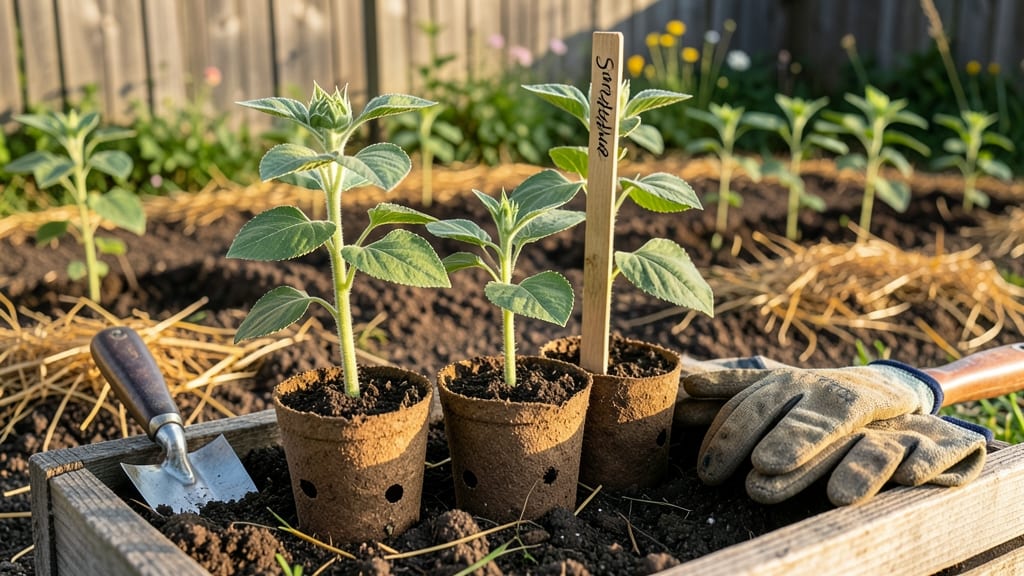
Planting sunflowers in Zone 8a after your last frost date — typically mid-March — ensures those towering 🌻 stalks reach their full potential before summer’s heat peaks.
If you’ve ever watched sunflowers bolt too early or wilt under the midday sun, you know timing is everything. Too soon, and frost lingers; too late, and the heat stresses young seedlings before they’ve had a chance to establish roots.
Zone 8a’s mild winters and long growing season make it ideal for sunflowers, but the key is planting when soil temperatures hit 55°F and staying ahead of summer’s intensity. That means two prime windows: early spring for classic varieties and late summer for a second flush of blooms.
Below, I’ll walk you through the exact months to sow, how to adjust for giant vs. dwarf varieties, and the simple tricks to keep your sunflowers growing fast and tall all season long.
Optimal planting months for sunflowers in Zone 8a
Sunflowers in Zone 8a love the warmth, but timing your planting is everything. The average last frost date is around February 15, while the first frost typically arrives by November 15. This gives you a 210-day growing window—plenty of time for sunflowers to reach their towering heights!
The key is planting when soil temperatures hit 55°F+, which usually aligns with late February to early March.
For maximum height and bloom time, focus on March and April plantings. This ensures your sunflowers mature before fall frosts. However, late summer succession plantings in August can still yield beautiful blooms if you choose fast-maturing varieties.
The trick is balancing soil warmth with daylight hours—sunflowers need 6+ hours of full sun daily to thrive.
Here’s the breakdown of your planting windows in Zone 8a, including soil temperatures and ideal varieties:
| Planting Window | Soil Temp | Ideal Varieties | Maturity Time | Notes |
|---|---|---|---|---|
| Late February - Early March | 55°F+ | 'Russian Giant', 'Moulin Rouge' | 90-120 days | Best for tallest stems; plant after last frost. |
| April | 60°F+ | 'Autumn Beauty', 'ProCut' | 75-90 days | Ideal for mid-season blooms; avoid late frosts. |
| Late Summer (August) | 65°F+ | 'Teddy Bear', 'Sunspot' | 50-60 days | Succession planting for fall color; choose dwarf varieties. |
If you’re planting in late February or early March, opt for tall varieties like 'Russian Giant', which need the full growing season to reach their 12-16 foot potential. These sunflowers thrive when sown 1 inch deep and spaced 6 inches apart in well-draining soil.
For a second flush of blooms, try August plantings with dwarf varieties like 'Teddy Bear', which mature in just 50-60 days and add late-season color.
Microclimates in Zone 8a can shift planting times by 2-3 weeks. Coastal areas may stay cooler longer, while inland regions warm up faster. To test soil readiness, use a soil thermometer—sunflower seeds won’t sprout until temperatures hit 55°F.
If your soil is still chilly, wait or start seeds indoors under grow lights for a head start.
For giant sunflowers, aim to plant by mid-April to ensure they reach maturity before fall frosts. These varieties need 100+ days to bloom, so don’t rush—waiting for warmer soil pays off with taller, stronger stems.
If you’re in a warmer microclimate, you might even squeeze in a late May planting for smaller varieties like 'ProCut,' which are perfect for cutting gardens.
Watering plays a critical role in timing. Sunflowers need 1-2 inches of water weekly, but deep soakings every 3-5 days prevent shallow roots. After planting, keep the soil consistently moist until germination (usually 7-14 days).
Once established, they’re drought-tolerant, but summer heat waves may require extra water to prevent bolting or stunted growth.
Fertilizing lightly in early spring with a balanced 10-10-10 fertilizer encourages strong root development. Avoid over-fertilizing—sunflowers are heavy feeders but can bolt prematurely if overfed. Instead, focus on loose, nutrient-rich soil amended with compost before planting.
This gives your sunflowers the energy they need to grow 6-12 inches per week during peak season.
Pro tip: Mark your calendar for August 15 if you want a fall harvest. This gives fast varieties like 'Sunspot' enough time to mature before first frost.
For seed saving, let a few heads dry on the stem—they’ll be ready to harvest when the back of the petals turns brown and the seeds rattle inside.
Timing your sunflower plantings in Zone 8a is all about balancing soil warmth, daylight, and variety maturity. Whether you’re growing 16-foot giants or compact pollinator magnets, these windows ensure your garden stays bursting with color from spring to fall. 🌻
How to adjust planting time for giant vs. dwarf sunflower varieties
Zone 8a gardeners know sunflowers grow fast—but timing matters more for giant varieties like 'Russian Giant' than for dwarf types like 'Teddy Bear'. The 100-day difference in maturity between these extremes means your planting window can shift by 2 months depending on what you’re growing.
Tall sunflowers need longer growing seasons to reach their full 10-16 foot height, while dwarf varieties can bloom in just 50-60 days. This means planting 'Russian Giant' too late could leave it stunted by frost, while 'Teddy Bear' might bolt prematurely if sown too early.
Soil prep also differs: giant varieties need deep, nutrient-rich soil to support their massive root systems, while dwarf types thrive in well-draining containers or small garden plots. Here’s how to adjust your schedule for each:
Giant Sunflowers (e.g., 'Russian Giant')
- Longer bloom time
- Taller stems for cut flowers
- Better seed production
- Needs longer growing season
- Requires staking in windy areas
- More water and nutrients needed
Dwarf Sunflowers (e.g., 'Teddy Bear')
- Faster bloom time
- Great for containers
- Less prone to lodging
- Shorter vase life
- Smaller seed yield
- Less dramatic height
- Giant: March 15-April 15 (100+ days to maturity)
- Dwarf: April 15-May 15 (50-60 days to maturity)
- Late Summer: August 1-15 (both types for fall blooms)
For giant varieties, aim to plant by April 15 to ensure they reach maturity before Zone 8a’s first frost around November 15.
Start seeds indoors 4-6 weeks before transplanting if your spring is cool. Dwarf sunflowers, however, can handle later plantings—even a June sowing will yield blooms before frost if given enough sunlight.
Watering needs also shift: giant sunflowers require deep watering 2-3 times per week during their rapid growth phase, while dwarf varieties thrive on consistent but lighter watering. Mulch around both types to retain moisture, but giant varieties benefit from 3-4 inches of mulch to protect their deep roots.
To maximize fall blooms, try a late summer succession planting in August. Dwarf varieties like 'Teddy Bear' will bloom in 60 days, while even giant types can produce smaller but still impressive flowers before frost.
Just be sure to space them properly—giant varieties need 24-36 inches apart, while dwarfs can grow 12 inches apart.
Pro tip: Use a soil thermometer to confirm soil temps above 55°F before planting—this ensures faster germination for both types. For giant varieties, add compost or aged manure at planting to fuel their growth spurt. 🌻