
Flowers
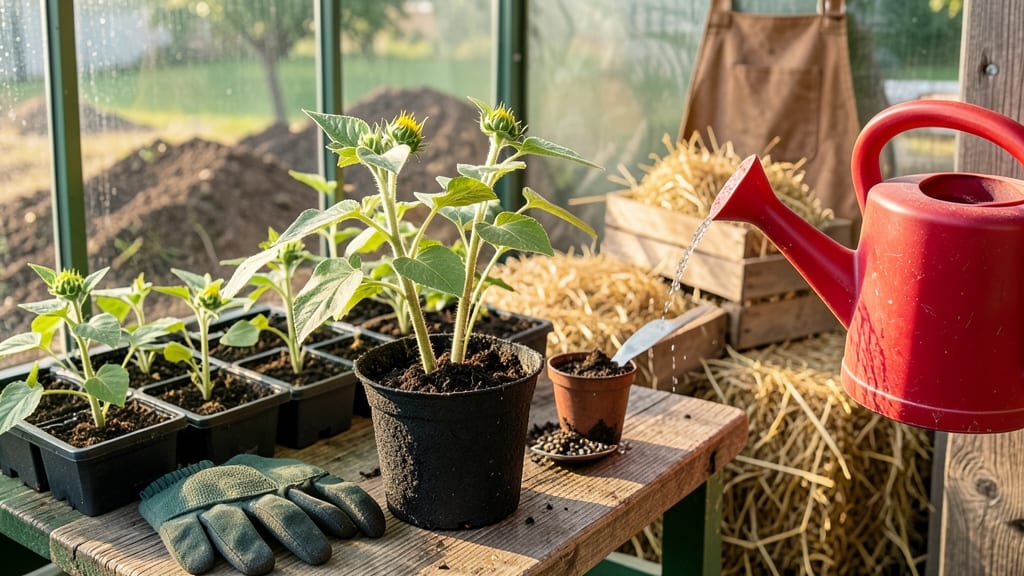
Planting sunflowers in Zone 8b means timing them for the heat — aim for mid-spring to early summer when soil warms to 55°F and frost is a distant memory.
Sunflowers aren’t just cheerful blooms—they’re heat-loving giants that thrive in Zone 8b’s long summers, but timing your planting wrong can mean wilted dreams before they even sprout. Whether you’re direct sowing or transplanting, the 30-day window between March and June makes all the difference.
This zone’s coastal areas can push planting a little earlier, while inland spots may need to wait until late April. The key is getting seeds in the ground when the sun is strong but the heat hasn’t yet peaked—so you avoid stressing young plants during germination.
Below, I’ll break down the exact frost-free timeline, soil prep tips, and how to choose heat-resistant varieties for bold blooms that last all summer.
Optimal planting windows for sunflowers in Zone 8b’s hot climate
Sunflowers in Zone 8b demand precise timing to avoid heat stress during germination while maximizing their love for long, sunny days. The key window spans from mid-April to early July, but coastal areas may start slightly later due to cooler ocean breezes.
Planting too early risks rot from cold, wet soil, while late planting can lead to bolting before blooming as summer heat intensifies.
Your first step is checking soil temperature—sunflower seeds need at least 55°F (13°C) to sprout successfully. Use a soil thermometer to confirm readiness, especially in inland areas where soil warms faster. Coastal gardeners should wait until mid-May when nighttime temperatures consistently stay above 60°F (16°C).
Here’s the critical comparison for Zone 8b planting windows, balancing bloom timing with heat tolerance:
| Planting Window | Soil Temp Requirement | Bloom Timeline | Heat Risk Level | Best For |
|---|---|---|---|---|
| Mid-April to early May | 55-60°F (13-16°C) | July-August | Low (early season) | Early blooms, cooler months |
| Late May | 60-65°F (16-18°C) | August-September | Moderate | Peak summer displays |
| June (coastal) / Early June (inland) | 65-70°F (18-21°C) | September-October | High (late season) | Succession planting |
For continuous blooms, I recommend staggering plantings every 2-3 weeks from May through June. This creates a rolling display that keeps your garden vibrant as summer progresses.
Early plantings (April-May) will produce taller varieties like 'Russian Giant', while late plantings (June) are better suited for dwarf varieties like 'Teddy Bear' that handle heat better.
Inland Zone 8b gardeners should prioritize shade cloth during germination if daytime temps exceed 90°F (32°C). A simple 30% shade cloth over newly planted seeds can reduce soil temperature by 10-15°F, preventing heat stress.
Remove the cloth once seedlings emerge to ensure they get full sun for robust growth.
Watering strategy is critical during germination—consistent moisture without waterlogging is essential. Use a drip irrigation system set to deliver ½ inch of water every 2-3 days until seedlings reach 4 inches tall.
After that, reduce to 1 inch per week to encourage deep root growth that sunflowers need to withstand Zone 8b’s intense summer heat.
One common mistake is assuming sunflowers can handle any summer heat. While they’re drought-tolerant once established, seedlings under 6 inches tall are particularly vulnerable to heat shock.
If your forecast shows three consecutive days over 95°F (35°C), provide afternoon shade or use mulch rings to keep roots cool. Organic mulch like straw also helps retain soil moisture and regulates temperature.
For coastal Zone 8b gardeners, the ocean breeze can actually be beneficial—it moderates temperatures and increases humidity, which sunflowers appreciate during their flowering phase. However, watch for salt spray if you're near the shore, as it can accumulate in soil and inhibit growth.
Flush the soil with fresh water monthly if you notice white crust forming on the surface.
Remember that sunflowers are annuals in Zone 8b, meaning they complete their life cycle in one season. This makes timing even more critical—plant too late, and you’ll miss the full bloom window before first frost.
Aim for 90-100 days to maturity for most varieties, with Russian Giant needing up to 120 days to reach its full height and bloom.
To maximize your sunflower success in Zone 8b’s challenging climate, start with heat-resistant varieties, time your plantings carefully, and monitor soil temperature and moisture closely. With the right approach, you’ll enjoy bold, sun-drenched blooms that turn heads all summer long. 🌻
Heat-resistant sunflower varieties that excel in Zone 8b heat
Zone 8b’s scorching summers can turn sunflowers into wilted disappointments—but not with the right varieties.
Heat-resistant types like 'Autumn Beauty' and 'Moulin Rouge' thrive when others struggle, delivering bold blooms even as temperatures climb past 95°F. These varieties aren’t just survivors; they’re showstoppers with vibrant colors and long-lasting flowers that keep your garden buzzing with pollinators.
For drought tolerance, prioritize Russian Giant or ProCut—both mature quickly and develop deep root systems that access water deep underground. Meanwhile, 'Teddy Bear' sunflowers offer compact size (perfect for containers) while still handling heat with ease.
The key? Pairing these varieties with mulch and deep watering to shield roots from extreme heat.
🌡️ Zone 8b Heat Tolerance Rating 🌡️
*Ratings based on performance in 90°F+ temperatures with minimal supplemental watering.
Start with 'Moulin Rouge' for its deep red blooms that fade beautifully into pink—ideal for cutting gardens. This variety matures in 60-70 days, giving it time to establish before peak summer heat arrives.
For maximum height, 'Russian Giant' reaches 12-14 feet but handles heat better than traditional giants thanks to its thick stems and broad leaves that reduce water loss.
Pro tip: Plant 'Autumn Beauty' in late June for fall color—its petals shift from yellow to rust as temperatures drop, extending your season. Pair it with 'ProCut' for long-stemmed blooms perfect for bouquets, even in August’s heat.
Both varieties benefit from afternoon shade cloth during their first 2 weeks to ease them into Zone 8b’s intensity.
Water deeply once a week at the base (not overhead) to encourage strong root growth. A 2-inch layer of mulch retains moisture and regulates soil temperature. Avoid fertilizing after mid-July, as new growth can stress plants during late-summer heatwaves.
Instead, focus on pruning dead blooms to redirect energy into new flowers until frost.
For container gardening, 'Teddy Bear' sunflowers (1-3 feet tall) shine in 5-gallon pots with well-draining mix. Place containers on elevated stands to improve airflow and reduce heat stress.
Even in Zone 8b’s 100°F+ spikes, these varieties will reward you with cheerful faces until the first frost—proof that sunflowers and heat can be best friends with the right approach. 🌻