
Flowers
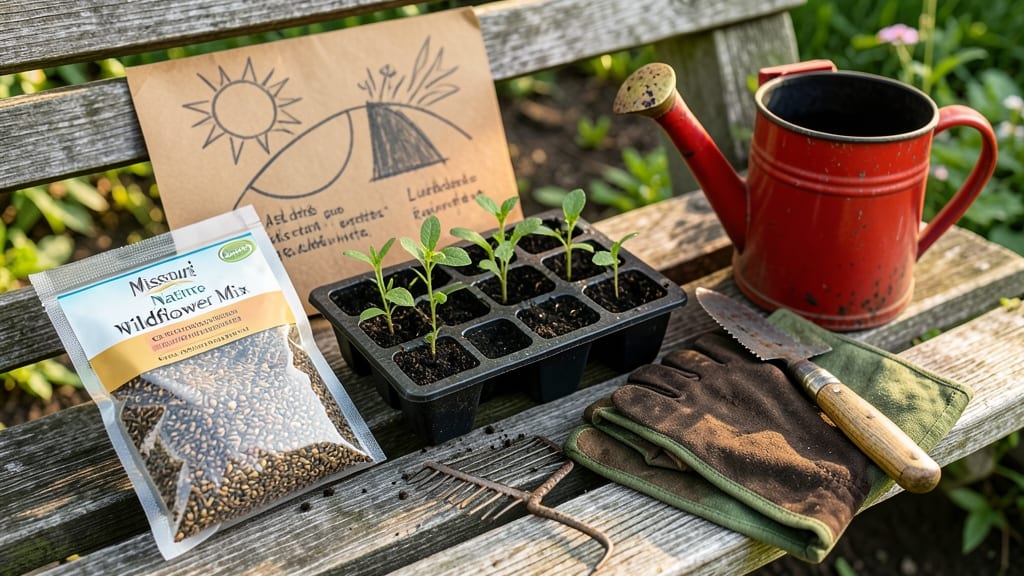
Planting wildflowers in Missouri at the right time means vibrant blooms all summer long 🌼 — aim for early spring or early fall when the soil is workable but frost isn’t a threat.
Missouri’s wildflowers burst into vibrant blooms that attract pollinators and transform landscapes—but planting them at the wrong time can mean wasted seeds or stunted growth. Timing is everything, especially when Missouri’s frost-free window varies dramatically from the Ozarks to the Bootheel.
In zones 5b-6b, your best window is March-April for spring planting or September-October for fall. Too early, and a late frost will kill tender seedlings; too late, and you’ll miss the ideal growing window before winter sets in.
Below, I’ll break down the exact dates by region, the best drought-tolerant species for Missouri, and pro tips to ensure your wildflowers thrive from seed to full bloom.
Missouri’s frost-free planting windows by hardiness zone (with exact dates)
Missouri’s USDA hardiness zones 5a-7a create wildly different frost-free windows—from the Ozark Highlands to the Bootheel. In zone 5a (northwest Missouri), the last frost lingers until April 25, while zone 7a (southeast) enjoys a frost-free start by March 15.
These differences mean your wildflower timing must shift dramatically depending on where you garden.
For spring planting, I recommend waiting until soil temperatures hit 55°F—typically mid-April in most zones. But fall planting offers a second chance, with September being ideal for cool-season wildflowers like bluebonnets and black-eyed Susans.
The key? Using the 10% frost risk rule: plant when only a 10% chance of frost remains.
Here’s how Missouri’s regions compare—St. Louis (6a) has a 160-day frost-free window, while Kansas City (6b) stretches to 170 days. Springfield (6a) sits in between, with 155 frost-free days. These variations matter because late frosts in zone 5a can devastate early spring plantings.
In zone 5a, I’ve seen black-eyed Susans struggle when planted too early—wait until May 1 to avoid frost damage. Meanwhile, in zone 7a, you can start wildflower seeds as early as March 15 without risk.
The 10% frost rule is my go-to: check the National Weather Service for your area’s frost probabilities before planting.
For fall planting, aim for 6-8 weeks before first frost. In St. Louis, that’s September 15-30, while Kansas City’s window closes by September 15. Fall plantings benefit from cooler temps and reduced weed competition, giving wildflowers a head start.
Missouri’s clay-heavy soils in zones 5a-6a can delay warming—always test soil temperature with a thermometer. If it’s below 50°F, seeds may rot. In sandy soils (common in southwest MO), you can plant 2 weeks earlier since they warm faster.
Pro tip: Mulch lightly after planting to retain moisture, especially in drought-prone areas like the Bootheel. But avoid thick mulch—it can smother seeds. Instead, use straw or shredded
Best drought-tolerant wildflower species for Missouri’s climate (ranked by low-maintenance success)
Missouri’s drought-tolerant wildflowers thrive with minimal water once established, making them perfect for xeric landscapes and pollinator gardens. These native species handle heatwaves, clay-heavy soil, and occasional dry spells like pros—ideal for Missouri’s USDA zones 5b-6b.
I’ve ranked these top performers by survival rates, bloom duration, and ease of care, so you can skip the guesswork. Whether you’re restoring prairie or adding color to a sunny border, these wildflowers deliver year-after-year beauty with almost no fuss.
Black-eyed Susan (Rudbeckia hirta) tops the list for its bright yellow blooms and tough constitution. It thrives in poor soil, handles drought stress, and reblooms all summer. Plant seeds in early spring or fall for best results—just scratch them into the soil and let nature do the rest.
Purple Coneflower (Echinacea purpurea) is a pollinator powerhouse, attracting bees and butterflies while resisting powdery mildew and deer browsing. Its deep roots make it drought-proof once established, and it self-seeds reliably. Choose full sun spots with well-draining soil for peak performance.
Prairie Blazing Star (Liatris pycnostachya) adds vertical interest with its spiky purple blooms, perfect for native prairie gardens. It tolerates clay soil and wet feet better than most wildflowers, making it a versatile Missouri native. Deadhead spent blooms to encourage longer flowering.
For butterfly gardens, Butterfly Weed (Asclepias tuberosa) is a must—its orange blooms feed monarch caterpillars, and its milky sap deters pests. Plant in full sun and sandy soil; it’s drought-tolerant but benefits from deep watering during establishment.
Pro tip: Mix these wildflowers with native grasses like Little Bluestem (Schizachyrium scoparium) to create a low-maintenance meadow. Mow once a year in late winter to control spread and promote new growth.