
Plants
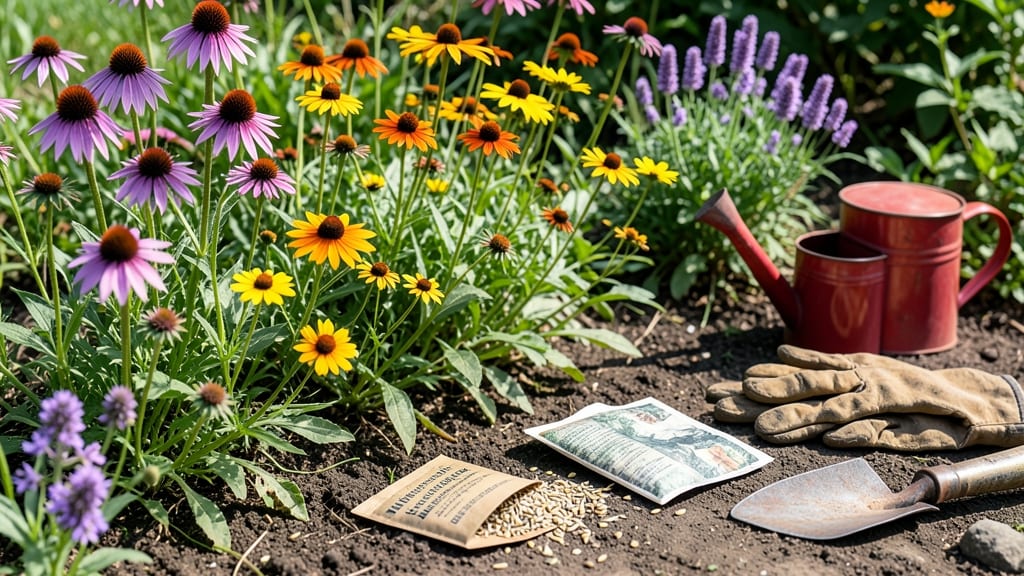
Planting wildflower seeds in Minnesota at the right time means the difference between a burst of color next summer and a patch of dirt that never blooms.
With USDA Zone 4 frost dates that can swing from mid-May to October, timing is everything. Skip the guesswork and plant too early, and your seeds may rot in cold soil. Wait too long, and you’ll miss the optimal window for root establishment before winter sets in.
Here’s the exact strategy for when to sow wildflower seeds in Minnesota—whether you’re prepping for spring blooms or taking advantage of fall’s cooler temperatures to get a head start.
You’ll learn the best months for different seed types, how to adjust for your specific region, and the simple soil prep tricks that make all the difference in Minnesota’s unpredictable climate.
Best planting windows for Minnesota wildflowers by seed type
Timing is everything when planting wildflower seeds in Minnesota’s Zone 4 climate. The short growing season and unpredictable frosts demand precision—plant too early, and seeds may rot; too late, and they won’t establish before winter.
For annuals, focus on late summer or early spring, while perennials often thrive with fall planting for deeper root growth. Native wildflower mixes, like prairie blends, often require cold stratification to break seed dormancy, a critical step for Zone 4 success.
Minnesota’s last frost dates vary dramatically—mid-May in southern regions to late May in the north—so adjust your schedule accordingly. Fall planting (August–September) is ideal for perennials, allowing seeds to germinate slowly over winter. Spring planting (April–early May) works best for annuals, giving them time to bloom before the first frost.
Understanding these windows ensures your wildflowers thrive despite Minnesota’s challenges.
Cold stratification is non-negotiable for many native wildflower seeds. This process mimics winter conditions, breaking dormancy so seeds germinate reliably. For Zone 4 hardiness, place seeds in a moist paper towel, seal them in a plastic bag, and refrigerate for 4–8 weeks before planting. Skipping this step can leave seeds dormant indefinitely, wasting your effort and resources.
Here’s a quick reference for Minnesota wildflower planting by seed type, including stratification needs and ideal months:
| Seed Type | Best Planting Window | Cold Stratification Needed? | Notes |
|---|---|---|---|
| Annual Wildflowers (e.g., Black-Eyed Susan, Cosmos) | April–May or August–September | No (direct sow) | Fast-growing; ideal for quick color. |
| Perennial Wildflowers (e.g., Purple Coneflower, Butterfly Weed) | August–September (fall) | Yes (4–8 weeks) | Establishes deep roots; blooms yearly. |
| Native Wildflower Mixes (e.g., Prairie Blends) | April–May or August–September | Yes (varies by seed) | Diverse pollinator support; check seed packet. |
| Biennials (e.g., Foxglove, Hollyhock) | April–May (spring) | No (direct sow) | Blooms second year; needs winter chill. |
Annual wildflowers like Black-Eyed Susans and Cosmos are your best bet for spring planting (April–May). These seeds germinate quickly in warm soil and produce vibrant blooms within 60–90 days. For fall planting, focus on perennials like Purple Coneflower, which establish roots before winter and reward you with years of blooms. Always check seed packets for specific stratification instructions—some mixes require 60+ days in the fridge!
If you’re planting in northern Minnesota, err on the side of earlier fall planting (late August) to ensure seeds germinate before the ground freezes.
In southern regions, you can push planting to early September, but monitor weather forecasts for unexpected early frosts. Soil temperature is your best guide: aim for 50–60°F for optimal germination. Use a soil thermometer to avoid guesswork.
For native wildflower mixes, consider two planting windows: a small batch in early spring and the bulk in late summer. This strategy extends your bloom season and ensures diverse pollinator support from early summer through fall.
Pair spring-blooming varieties like Pasque Flower with late-season favorites such as Goldenrod for continuous color. Just remember: native seeds often need stratification, so plan ahead!
One common mistake is overwatering after planting. Wildflower seeds need consistent moisture to germinate but can rot in soggy soil. Water gently once daily until seeds sprout, then reduce to 2–3 times per week once established.
Mulch lightly with straw to retain moisture and suppress weeds without smothering delicate seedlings. This simple step can double your success rate in Minnesota’s unpredictable climate.
Finally, don’t overlook weed competition, especially in first-year plantings. Wildflower seeds are tiny and struggle to compete with crabgrass or dandelions. Hand-pull weeds regularly or apply a pre-emergent herbicide (like corn gluten meal) before planting.
A little extra effort here ensures your wildflowers thrive instead of fight for sunlight and nutrients.
With the right planting window and
How Minnesota’s microclimates affect wildflower planting timing
Minnesota’s diverse microclimates can shift planting windows by 3-4 weeks depending on where you live. The southern third (like Rochester or Winona) often enjoys 10-14 days earlier frost-free dates than northern areas (such as Duluth or International Falls).
Even within cities, urban heat islands can create microclimates where wildflowers thrive 2 weeks longer than in surrounding rural areas.
For example, southern Minnesota (USDA Zone 4b) typically sees its last frost around May 10-15, while northern Minnesota (Zone 3b-4a) can linger until May 25-30. This difference means your spring planting window might open a full month earlier in the Twin Cities than in the Arrowhead region.
Similarly, fall planting must account for first frost dates that arrive in early October in the north but often wait until mid-October in the south.
Urban vs. rural differences also matter. Concrete and pavement in cities like Minneapolis or St. Paul trap heat, creating pockets where wildflowers can germinate 1-2 weeks earlier in spring. Meanwhile, rural areas with loamy soils and cooler nights may require later planting to avoid early-season frost damage. Always check your local frost-free date—not just the statewide average—to fine-tune your timing.
| Microclimate Type | Last Frost Date | First Frost Date | Spring Planting Window | Fall Planting Window |
|---|---|---|---|---|
| Southern MN (Rochester/Winona) | May 10-15 | Oct 10-15 | April 20-May 10 | Aug 20-Sept 20 |
| Twin Cities (Minneapolis/St. Paul) | May 15-20 | Oct 5-10 | April 25-May 15 | Aug 15-Sept 15 |
| Northern MN (Duluth/International Falls) | May 25-30 | Sept 25-Oct 5 | May 5-15 | July 30-Aug 15 |
| Urban Heat Islands (Minneapolis/St. Paul) | May 5-10 (earlier) | Oct 15-20 (later) | April 15-May 5 | Aug 10-Sept 25 |
Adjust your wildflower seed timing based on your microclimate. For instance, northern Minnesota gardeners should prioritize fall planting (July-August) to give seeds time to germinate before winter. In contrast, southern Minnesotans can successfully plant in early spring (April) or late summer (August).
Urban gardeners in cities like Minneapolis can push planting dates 1-2 weeks earlier thanks to warmer microclimates.
Pro tip: Use native wildflower mixes like Black-eyed Susan or Purple Coneflower, which are adapted to Minnesota’s short growing season. These varieties are more forgiving of late frosts and cool soils than exotic annuals.
Always test your soil temperature—aim for 40-50°F for spring planting and 50-60°F for fall to ensure germination.
Finally, monitor local weather patterns for 2-3 years to refine your timing. Some years, a late spring frost might delay planting until June, while mild winters could extend your fall window into early October. Flexibility is key to maximizing bloom times in Minnesota’s ever-changing climate. 🌼