
Container Gardens
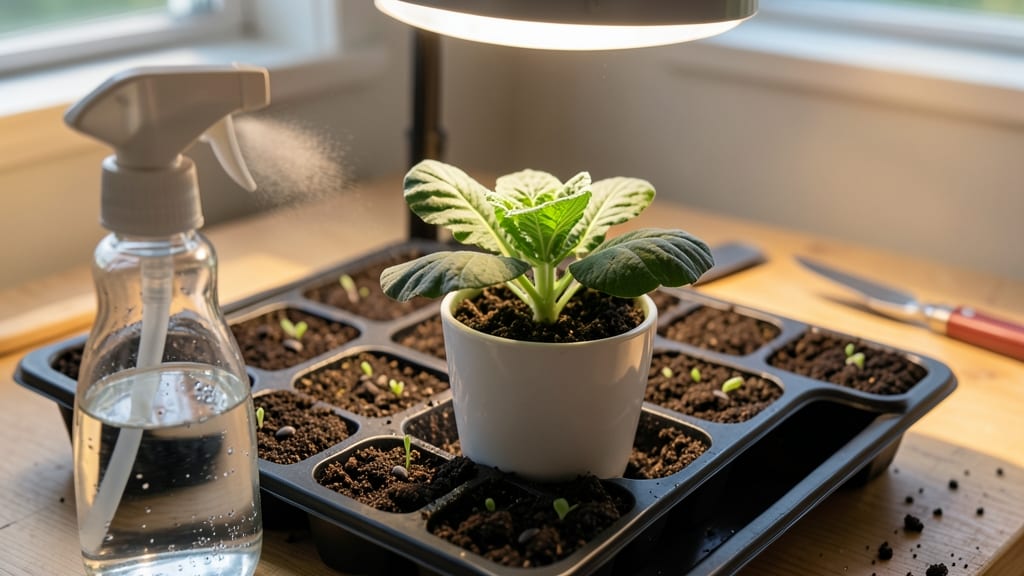
To start cauliflower seeds indoors, aim for 6-8 weeks before your last frost date—this timing ensures sturdy seedlings ready for transplant when temperatures warm up 🥬.
Timing your cauliflower seeds indoors can mean the difference between a thriving harvest and wasted effort—get it wrong, and you’ll either face frost-killed seedlings or bolting plants before they mature.
In Zone 6a, where most gardeners grow cauliflower, that means starting seeds in late January to early February for spring planting. But your exact window depends on your local frost dates and how quickly your seedlings grow.
Below, I’ll break down the exact weeks before last frost for your zone, how to adjust for early or late seasons, and the one mistake that ruins timing every year.
Cauliflower seed starting dates by USDA Plant Hardiness zones
Getting your cauliflower seeds indoors at the right time ensures healthy transplants ready for your garden when the soil warms up. Since cauliflower thrives in cool weather but can't handle frost, timing is everything—especially across different USDA zones with varying frost dates.
Most gardeners start seeds 6-8 weeks before the last frost date to give seedlings enough time to develop strong roots before transplanting. However, this window shifts dramatically from Zone 3 (where winters are harsh) to Zone 10 (with mild winters).
Below, I’ve mapped out the exact weeks before last frost for each zone, plus adjustments for early or late seasons.
| USDA Zone | Weeks Before Last Frost | Start Indoors | Notes |
|---|---|---|---|
| Zone 3 | 8 weeks | Late February to early March | Use grow lights; transplant after soil reaches 50°F |
| Zone 4 | 7-8 weeks | Early to mid-March | Hardened seedlings needed for late spring |
| Zone 5 | 6-7 weeks | Late February to early March | Avoid transplant shock with slow hardening |
| Zone 6 | 6 weeks | Early February to late February | Ideal for spring harvests; watch for early bolting |
| Zone 7 | 5-6 weeks | Late January to early February | Can also plant fall crops; start second batch in July |
| Zone 8 | 4-5 weeks | Mid-January to late January | Long growing season; prioritize shade in summer |
| Zone 9 | 3-4 weeks | Late December to early January | Plant in fall for winter harvest; avoid summer heat |
| Zone 10 | 2-3 weeks | Mid-November to early December | Direct sow preferred; use shade cloth for summer |
In Zones 3-5, where winters are cold, starting seeds too early risks leggy, weak seedlings that struggle to harden off. I recommend using grow lights to supplement natural light in late winter, especially if your seedlings aren’t getting enough sunlight.
For Zones 6-7, the window is tighter—aim for early February to avoid transplanting into hot soil.
Gardeners in Zones 8-10 have the advantage of longer growing seasons, but cauliflower still needs cool weather to form heads. In these zones, I often start seeds in late fall for winter harvests or early spring for summer crops.
Just be sure to provide shade cloth if temperatures exceed 80°F to prevent bolting.
One critical adjustment: If your area has unpredictable frost dates, err on the side of starting seeds slightly later. For example, in Zone 6a, where frost can linger until early May, I’ve had success starting seeds in early March instead of late February to avoid frost-killed seedlings.
For container gardens, timing is even more critical since pots heat up faster
How to calculate your exact indoor starting window
Calculating your exact cauliflower seed starting window requires three key pieces of information: your last frost date, the maturity days listed on your seed packet, and your local growing conditions.
Most seed packets suggest starting cauliflower 6-8 weeks before last frost, but this varies by variety and climate.
First, check your USDA Plant Hardiness Zone and find your average last frost date (use resources like the National Weather Service or local agricultural extensions). For example, in Zone 6a, last frost typically falls around April 15, so I’d start seeds between late February and early March.
Next, subtract the days to maturity (usually 60-100 days for cauliflower) from your first harvest date. If you want heads ready by June 15, subtract 80 days to get your indoor starting date—in this case, around March 26.
- 1. Find your last frost date (check local weather or USDA zone maps).
- 2. Note your seed packet’s maturity days (e.g., 60-100 days for cauliflower).
- 3. Subtract maturity days from your target harvest date to get your transplant date.
- 4. Subtract 6-8 weeks (seedling time) to find your indoor starting window.
- 5. Adjust for microclimates (e.g., add 1-2 weeks in cold zones or subtract in warm zones).
Don’t forget to account for local microclimates—higher elevations or windy areas may need earlier starts, while urban heat islands might allow later planting. For example, if you’re in Zone 5 with a late frost, start seeds 2 weeks earlier than the standard guideline.
Finally, verify your grow lights or sunlight access. Cauliflower needs 12-14 hours of light daily—if your seedlings get less than 6 hours of sun, supplement with grow lights to avoid leggy, weak plants.
Once you’ve nailed your indoor starting window, mark your calendar and set up your seedling trays with well-draining soil and warmth mats for faster germination.
With this method, you’ll avoid the two biggest timing mistakes: starting too early (seedlings get leggy) or starting too late (plants bolt before harvest) 🌱.