
Planting
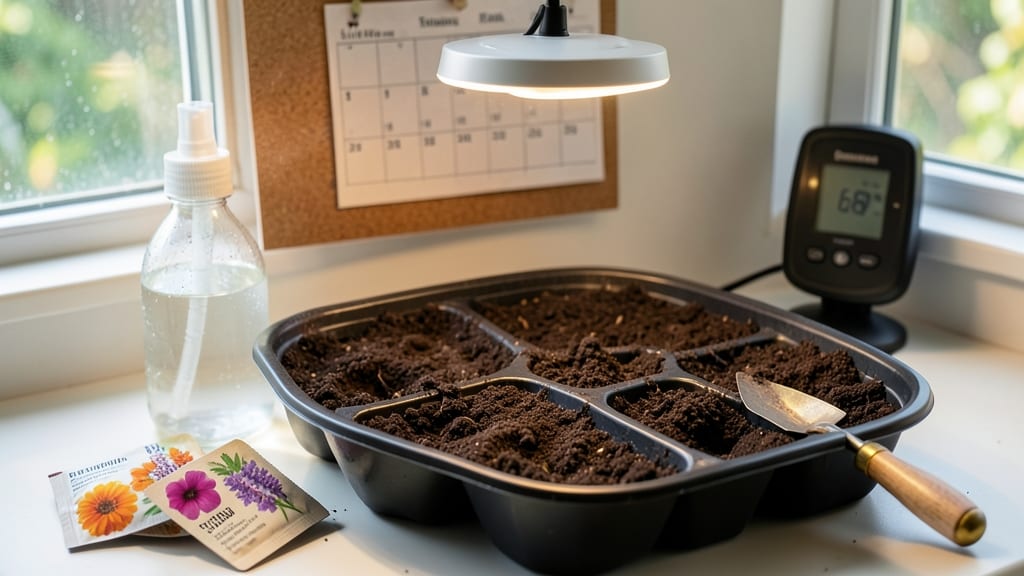
Knowing when to start planting flower seeds ensures fast blooms and a garden bursting with color 🌸—and missing the window means waiting another year for that dreamy display.
Timing your flower seed planting perfectly can mean the difference between a vibrant summer garden and a season of disappointment—yet most gardeners overlook their USDA zone’s last frost date.
In Zone 6a, like many northern regions, the 4-6 week indoor start rule kicks in by early March, while direct-sowing outdoors waits until after April 15, when the soil warms to 60°F.
Below, I’ll break down the exact frost-based deadlines for your zone, which flowers to start early indoors, and how to adjust for late frosts or heat waves—so you can skip the guesswork and get those first blooms weeks ahead.


USDA zone last-frost dates for planting flower seeds by month
Understanding your USDA zone and last-frost dates is the secret to planting flower seeds at the perfect time. Cold-hardy flowers like pansies and snapdragons can handle early spring, while heat-lovers like marigolds and zinnia need warmer soil.
Each zone has unique deadlines—plant too early, and frost will kill tender seedlings; too late, and you’ll miss peak blooms.
Most gardeners focus on annual flowers, but perennials also need strategic timing. For example, black-eyed Susans thrive when planted in early spring, while daylilies can wait until late spring.
Below is a month-by-month breakdown for all USDA zones (3-11), including ideal planting windows for both indoor starts and direct sowing.
| USDA Zone | Last Frost Date | Indoor Start (Weeks Before Frost) | Direct Sow After Frost | Heat-Sensitive Flowers | Cold-Hardy Flowers |
|---|---|---|---|---|---|
| 3-4 | Late May | 8-10 weeks before | Early June | Petunias, Geraniums | Pansies, Snapdragons |
| 5-6 | Mid-April | 6-8 weeks before | Late April | Zinnias, Marigolds | Sweet Alyssum, Calendula |
| 7-8 | Mid-March | 4-6 weeks before | Early April | Cosmos, Sunflowers | Lobelia, Stock |
| 9-10 | Early February | 2-4 weeks before | Mid-February | Impatiens, Begonias | Sweet Peas, Violets |
| 11 | None (year-round) | Year-round (indoor) | January-March | Tropicals (Hibiscus, Orchids) | All-season flowers |
In USDA zones 3-4, where frosts linger until late May, start heat-sensitive flowers indoors by early April. For example, petunias need 8-10 weeks indoors before transplanting after frost. Meanwhile, cold-hardy flowers like pansies can handle direct sowing as early as March in these zones.
Zones 5-6 offer a wider window—plant annuals indoors by early March for late April outdoor moves. Snapdragons and calendula thrive when sown directly after frost, while zinnias prefer warmer soil, so wait until late April or early May.
Gardeners in zones 7-8 can start direct sowing as early as February for fast growers like cosmos. For slower varieties, like sunflowers, begin indoors in early March. Lobelia and stock are excellent cold-hardy options for early planting.
In zones 9-10, mild winters mean year-round planting flexibility. Start tender perennials like begonias indoors in January, while sweet peas can be sown directly in February. Even tropical flowers like hibiscus can thrive with proper winter care.
Zone 11 gardeners enjoy the most freedom—plant annuals year-round, but prioritize summer blooms like orchids and hibiscus for continuous color. Use shade cloth in peak summer to protect heat-sensitive varieties.
How to calculate your exact planting window using frost data
Calculating your flower seed planting window starts with your USDA zone’s last frost date, but it’s not as simple as memorizing a single number.
Each zone has a 10-14 day range for frost dates, and your local microclimate—like a sunny hillside or sheltered valley—can shift that window by 2-3 weeks.
For example, in Zone 6a, the last frost typically falls between April 1-15, but gardeners in microclimates like urban areas may see frosts linger until April 25. Meanwhile, those near large bodies of water might plant 2 weeks earlier thanks to warmer air temperatures.
Here’s how to pinpoint your exact window: First, find your average last frost date using the USDA zone map or local extension service records. Then, subtract the days to maturity listed on your seed packet (e.g., 60 days for marigolds) to determine your indoor start date.
⚠️ WARNING: Common Mistake Alert! Don’t rely solely on seed packet instructions—they’re based on average frost dates, not your microclimate. For instance, if your zone’s last frost is April 15 but your yard stays frost-free until May 1, you’ll delay planting by 2 weeks.
Use a local frost calculator (like the Old Farmer’s Almanac) and adjust for: - Elevated areas (cooler by 3-5°F) - Urban heat islands (warmer by 2-4°F) - Wind exposure (delays warming by 1-2 weeks) 🌡️
Next, cross-reference your soil temperature with seed packet guidelines. Most flowers need soil at 60°F+ to germinate, while cold-hardy varieties like snapdragons can handle 50°F. Use a soil thermometer for 3 consecutive days above the threshold before planting outdoors.
Pro tip: If your last frost date falls in late April, but you’re growing heat-sensitive annuals (like zinnias), start seeds indoors 8 weeks before your average date. For cold-tolerant perennials (e.g., coneflowers), you can direct-sow 2-3 weeks before the last frost.
Finally, account for unpredictable weather by planting 10% extra seeds and having a backup plan. If a late frost hits, use row covers or move potted starts to a sheltered spot until temperatures stabilize. With these adjustments, you’ll avoid the heartbreak of frost-killed seedlings or bolting flowers.