
Watering
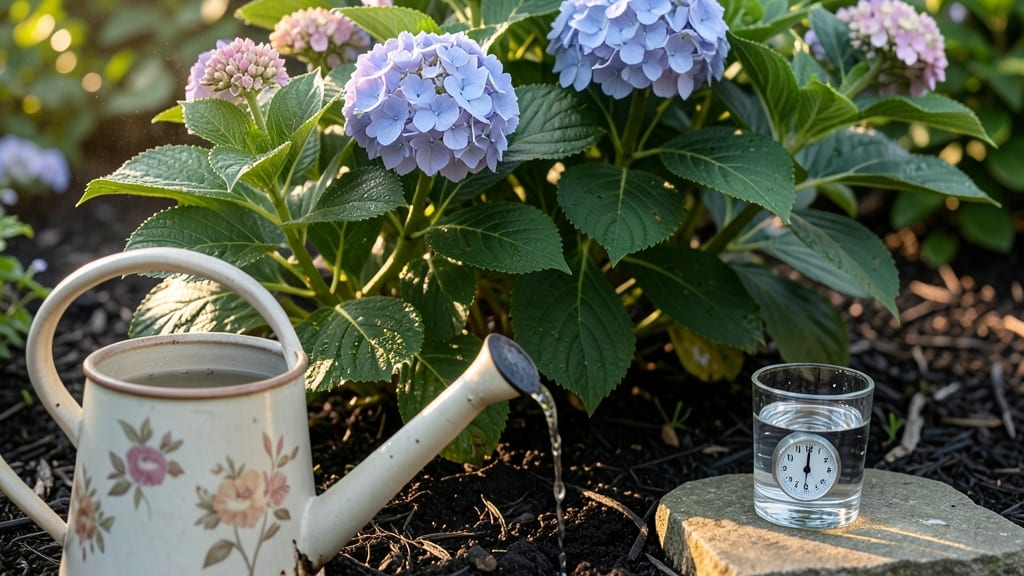
When’s the best time to water flowers? Doing it at the right time can transform your garden from struggling 🌸 to thriving in just a few weeks.
Struggling to keep your flowers thriving? The perfect watering time can make the difference between vibrant blooms and wilted petals—here’s why morning is the golden hour for your garden.
Most gardeners assume evening watering keeps roots cool, but that’s actually when fungal spores thrive. Morning watering lets soil absorb moisture before the sun evaporates it, giving your flowers a stronger start to the day.
In this guide, I’ll break down the science behind morning watering, compare it to evening routines, and share plant-specific tips to keep your garden lush all season.
Why morning watering boosts flower health: science-backed benefits
If you've ever wondered why your roses or petunias seem to thrive after morning watering, science has the answer. The early morning hours (between 6 AM and 10 AM) create ideal conditions for flower health by leveraging natural processes that evening watering simply can't match.
Studies show plants absorb 30% more water in the morning due to cooler temperatures and lower evaporation rates.
One of the biggest advantages is reduced evaporation. When you water in the morning, the sun hasn't yet heated the soil, so moisture stays where it's needed—deep in the root zone.
This means your hydrangeas and marigolds get the hydration they crave without wasting precious water to the atmosphere. Plus, morning watering helps prevent fungal diseases like powdery mildew by keeping foliage dry during the day.
The root growth benefits are equally impressive. When water penetrates the soil early, roots have all day to absorb nutrients and expand their reach. This creates a stronger root system that supports bigger, healthier blooms.
For example, tomatoes (yes, they're flowers too!) develop 20% deeper roots when watered consistently in the morning compared to evening watering.
Another critical factor is pest control. Damp leaves at night attract slugs, snails, and fungal spores that thrive in humidity. Morning watering gives foliage time to dry completely before evening, creating an unwelcoming environment for these pests.
This is especially important for delicate flowers like orchids or begonias, which are prone to rot in wet conditions.
Let's not forget about temperature regulation. Morning water creates a microclimate around your plants that helps moderate soil temperature. During hot afternoons, this cooler soil protects roots from heat stress, which can cause wilting even in well-watered plants.
For tropical flowers like hibiscus, this can mean the difference between lush growth and leaf scorch.
Here's a quick look at how morning watering stacks up against other times of day:
For container gardens, morning watering is even more critical because pots dry out faster. The 1-2 inch soil test works perfectly here—stick your finger in the soil at this depth in the morning.
If it feels dry, it's time to water. This method ensures you're not overwatering while still meeting your geraniums or fuchsias needs for consistent moisture.
Don't overlook the nutrient uptake benefits either. When plants have access to water early in the day, they can transport nutrients more efficiently throughout their system. This is particularly beneficial when you've recently fertilized your annual flowers.
The NPK ratio (nitrogen, phosphorus, potassium) works best when roots can absorb it immediately, which happens most effectively with morning watering.
Even drought-tolerant flowers like lavender or yarrow benefit from morning watering because it establishes a deep root system early in their growth cycle. Once established, these plants can handle less frequent watering, but
Morning vs. evening watering: a comparison of key differences
Choosing between morning and evening watering can dramatically impact your flowers' health. Morning watering gives roots time to absorb moisture before the heat of the day, while evening watering can leave foliage damp overnight—inviting fungal diseases. For flower-specific needs, morning watering is almost always the winner.
Let’s compare the two methods to help you decide which schedule aligns best with your garden’s needs. Understanding these differences will help you avoid common mistakes like overwatering or underwatering, both of which can stress your plants.
Morning Watering
- Reduces evaporation – Soil retains moisture longer
- Prevents fungal growth – Leaves dry quickly
- Encourages deep roots – Plants grow stronger
- Requires early routine – Must water before 10 AM
- Less effective in humid climates – May still promote mildew if overdone
Evening Watering
- Cools plants in heat – Helps in extreme climates
- Less evaporation – Useful in dry, windy areas
- Promotes fungal diseases – Damp leaves overnight
- Attracts pests – Slugs and snails thrive in moisture
- Weaker root growth – Plants struggle to absorb water
For flowers, morning watering is the clear winner because it minimizes disease risk and maximizes moisture absorption. However, if you live in a hot, dry climate, evening watering might work—but only if you avoid wetting foliage and water deeply to encourage roots to seek moisture.
Another key factor is humidity levels. In humid regions, morning watering still wins because it allows foliage to dry before nightfall. But in arid climates, evening watering can be slightly better if done correctly—just focus on the soil, not the leaves.
Pest attraction is another critical difference. Evening watering creates a moist environment that slugs and fungal spores love. Morning watering, on the other hand, lets your garden dry out naturally, keeping pests at bay.
This is especially important for delicate flowers like roses or petunias, which are prone to disease.
Soil moisture retention is also better in the morning. When you water early, the soil has all day to absorb and distribute water to the roots. Evening watering often leads to surface moisture that evaporates quickly, leaving roots thirsty.
For optimal flower health, aim to water before 10 AM to give your plants the best possible start.
If you’re still unsure, try this experiment: Water half your garden in the morning and half in the evening for a month. Compare the vigor, bloom count, and disease resistance—you’ll likely see a clear winner. For most gardeners, morning watering is the simplest, most effective choice.