
Flowers
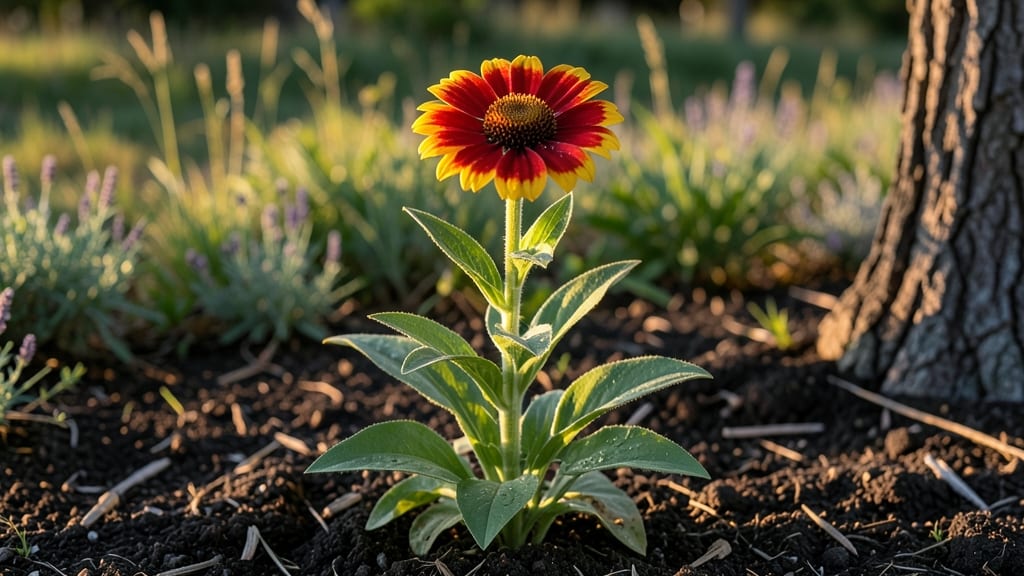
Zinnia flower heights range from 6 inches to over 4 feet, giving you the power to design everything from a tiny container garden to a towering border.
If you love bold, vibrant blooms but struggle with zinnia varieties overpowering your garden space, understanding their height ranges—and how to control them—is your secret weapon for a perfectly proportioned flower bed.
Dwarf zinnias (6–12 inches) fit snugly in window boxes, while giant varieties (3–5 feet) make dramatic backdrops. But even the tallest can be tamed with simple pruning or staking—no guesswork needed.
Below, I’ll break down the best varieties for your space, how to keep them in check, and the care tricks that keep them blooming at their ideal height all season.

Zinnia flower height by variety: dwarf to giant sizes explained
Zinnias are one of the most versatile annual flowers, offering height variations that range from 6-inch dwarf varieties to towering 5-foot giants. Choosing the right zinnia height for your garden ensures balanced aesthetics and easier maintenance.
Whether you're designing a container garden or a backyard border, understanding these size differences helps you create a cohesive look.
Dwarf zinnias (6–12 inches) are perfect for window boxes and small spaces, while medium varieties (18–24 inches) thrive in mixed flower beds. Giant zinnias (3–5 feet) make stunning backdrop plants or focal points. Let’s explore how these heights compare and where each variety excels in your garden layout.
For small gardens, dwarf zinnias like 'Thumbelina' (6–8 inches) create a neat, tidy look in containers or along walkways. Their compact size makes them ideal for urban gardens where space is limited. Plant them 6–8 inches apart to ensure good airflow and prevent disease.
Medium-height zinnias (18–24 inches) strike the perfect balance for mixed flower beds. Varieties like 'Profusion' thrive in full sun and produce long-lasting blooms. Space them 10–12 inches apart to allow stems to strengthen without overcrowding. These are also excellent for cut flower arrangements due to their sturdy stems.
Tall zinnias (24–36 inches) and giants (36–60 inches) demand more space but reward you with dramatic height and bold color. 'State Supreme' reaches 4 feet tall, making it perfect for the back of borders or as a privacy screen.
Stake these varieties early to prevent flopping, especially in windy conditions.
When planning your garden layout, consider the mature height of each variety. Place taller zinnias at the back of beds and shorter ones in the front to create depth. For container gardening, dwarf or semi-dwarf varieties work best, while giants need large pots with support stakes.
Pro tip: If you love color contrast, pair dwarf zinnias with tall grasses or sunflowers to create visual interest. The height variation adds layers to your garden, making it feel more dynamic.
Always check the seed packet for specific height ranges, as some varieties can vary slightly based on growing conditions.
Remember, zinnia height isn’t set in stone—pruning and pinching can influence growth. Regularly deadheading spent blooms encourages bushier growth and prevents legginess. With the right variety and care, your zinnias will thrive at any height!
How to control zinnia height naturally: pruning & support techniques
Zinnias are stunning annuals, but their height can vary wildly—from 6-inch dwarfs to 5-foot giants. If your zinnias are reaching for the sky when you want them compact, don’t worry!
With the right pruning techniques and support systems, you can guide their growth naturally. The key is timing and gentle intervention, ensuring your plants stay healthy while achieving your desired height.
Start by understanding your zinnia’s natural growth habit. Tall varieties like 'Benary’s Giant' or 'State Fair' need sturdy support to prevent flopping, while dwarf types (12 inches or less) benefit from regular pinching to encourage bushiness.
Whether you’re dealing with leggy stems or overgrown foliage, these methods will help you take control without harsh chemicals or drastic measures.
Step-by-Step Guide to Controlling Zinnia Height
- 1 Pinch Back Early – When seedlings reach 6-8 inches tall, pinch off the top set of leaves just above a leaf node. This encourages bushier growth and prevents legginess.
- 2 Use Stakes or Cages – Insert 5-foot bamboo stakes or tomato cages at planting. Tie stems loosely with soft garden twine to avoid damaging the stem. Replace twine every 2-3 weeks as stems thicken.
- 3 Deadhead Regularly – Remove spent blooms by snipping stems 1 inch below the flower head. This redirects energy to new growth and prevents overly tall, woody stems. Do this every 3-5 days during peak bloom.
- 4 Prune for Compactness – If your zinnias are too tall, trim 1/3 of the stem height in early summer. Cut just above a leaf node to promote lateral branching. Avoid cutting into woody stems, as they won’t regrow.
- 5 Adjust Watering – Overwatering leads to taller, weaker stems. Water deeply but infrequently—about 1 inch per week—and always at the base of the plant. Avoid wetting foliage to prevent fungal diseases that stress plants.
Seasonal care is just as important as pruning. In early spring, focus on pinching back young plants to encourage multiple stems. By mid-summer, switch to deadheading and support maintenance to keep plants from toppling.
In fall, reduce watering and let the plant naturally decline—zinnias won’t regrow, so enjoy their late-season color before frost.
For container gardening, choose dwarf varieties like 'Thumbelina' or 'Crystal', which max out at 12 inches. Use small cages or mini stakes to support them. If you’re growing tall zinnias in pots, opt for 5-gallon containers with well-draining soil and extra support to prevent tipping.
With these techniques, you’ll have zinnias at your ideal height—whether that’s a neat border plant or a showstopping backdrop. The best part? You’ll achieve it naturally, without chemicals or extreme measures. Happy gardening! 🌼