
Landscaping
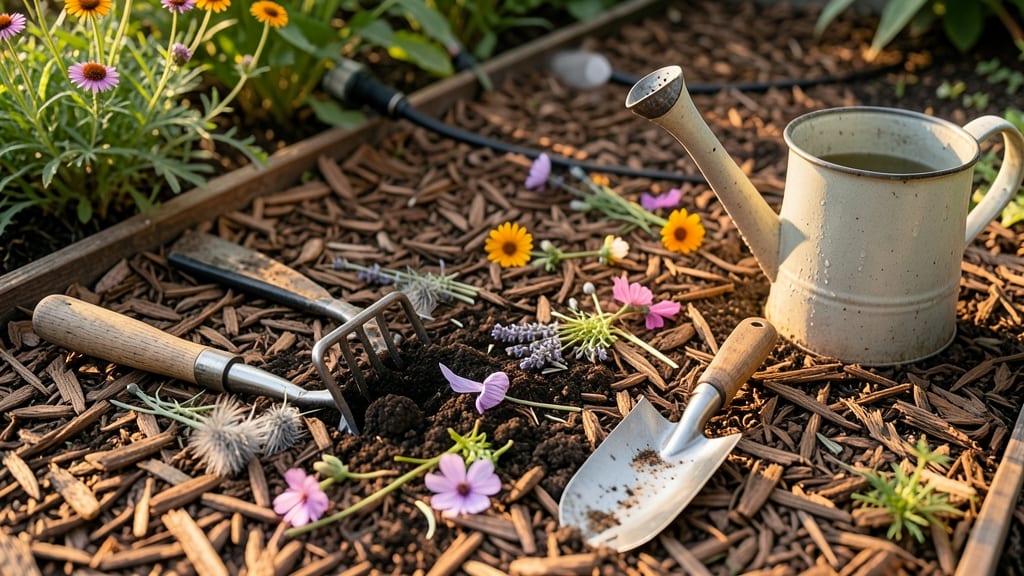
You can put mulch over wildflower seeds—but only the right kind, applied the right way. 🌼 The wrong approach can smother tiny sprouts before they even peek through the soil.
Wildflowers need light to germinate, so heavy mulch like wood chips is a no-go. Instead, think straw, pine needles, or a thin layer of compost—just enough to hold moisture without blocking sunlight.
Mulch helps retain water and suppress weeds, but timing matters. Apply it after seeds sprout, or use a lightweight cover to protect seeds from erosion until they’re established.
Below, I’ll walk you through the best mulch types, how to apply them safely, and when to skip mulch entirely for the best wildflower success.
Best mulch types for wildflower seeds that won’t smother germination
Wildflower seeds thrive when they receive plenty of sunlight for germination, but they also need protection from erosion, weeds, and temperature fluctuations. The right mulch type can make all the difference—if applied correctly.
Too much mulch blocks light, while too little leaves seeds vulnerable. Let’s explore the lightweight options that keep your wildflowers happy without suffocating them.
Not all mulches are created equal. Heavy materials like wood chips or thick layers of bark can smother seeds by blocking sunlight and trapping moisture against them. Instead, focus on organic, breathable mulches that allow light to filter through while still protecting your seeds.
Straw, pine needles, shredded leaves, and compost are your best bets—each with unique benefits for different climates.
Here’s how these mulch types compare for wildflower seed germination, including their effects on moisture retention, weed suppression, and seed-to-soil contact. Choose wisely based on your local climate and soil conditions.
| Mulch Type | Sunlight Penetration | Moisture Retention | Weed Suppression | Best For |
|---|---|---|---|---|
| Straw | High (allows light through) | Moderate (dries faster) | Good (blocks weeds) | Arid climates, sandy soil |
| Pine Needles | Moderate (slightly shaded) | High (retains moisture) | Excellent (acidic, deters weeds) | Humid climates, acidic soil |
| Shredded Leaves | Low (blocks some light) | Very High (breaks down slowly) | Good (smothers weeds) | Cool climates, clay soil |
| Compost | Low (blocks light if thick) | Very High (retains water) | Excellent (improves soil) | Established beds, nutrient-poor soil |
Straw is my top recommendation for most wildflower seed mixes. It’s lightweight, allows sunlight to filter through, and dries out quickly if overwatered. For dry climates, straw prevents soil from crusting over, which can suffocate seeds. Just avoid hay—it contains weed seeds you don’t want!
In humid or acidic soils, pine needles are a game-changer. They create a natural mulch layer that retains moisture while keeping weeds at bay. Plus, they slowly decompose, adding organic matter to the soil. However, avoid using them in alkaline soils—they can lower pH over time.
Shredded leaves work well in cooler climates but require caution. They block more light than straw, so use them sparingly—only a ¼-inch layer—and avoid piling them directly over seeds. They’re best for established wildflower patches rather than freshly sown areas.
Compost is a double-edged sword. While it improves soil fertility and retains moisture, it can smother seeds if applied too thickly. Use it only after seeds have sprouted or mix it into the soil before planting.
For newly seeded areas, stick to straw or pine needles until germination is complete.
For windy areas, combine straw with a light layer of netting to prevent erosion. In hot, dry climates, mulch in the evening to avoid overheating the soil. Always keep mulch layers thin—never exceed ½-inch thickness—to ensure seeds get the light they need.
Pro tip: After germination, you can add a thicker mulch layer (up to 1-2 inches) to protect young seedlings. This is when compost or shredded leaves become more beneficial without risking seed suffocation.
Experiment with these mulch types in small sections of your wildflower garden to see what works best for your local conditions. The right choice can mean the difference between a thriving meadow and a patch of bare soil.
Step-by-step guide: how to apply mulch over wildflower seeds without killing them
Timing is everything when mulching wildflower seeds. Applying mulch too early can block sunlight and smother seeds before germination, while waiting too long leaves them vulnerable to erosion and weeds. The sweet spot? Use mulch after sprouts appear or opt for a lightweight cover during the critical germination phase.
Wildflower seeds need direct sunlight to break dormancy, so avoid heavy mulch like wood chips. Instead, choose straw, pine needles, or shredded leaves—materials that allow light penetration while protecting young plants. A ¼-inch layer is ideal for most climates, but adjust based on rainfall and soil type.
Here’s my foolproof method for applying mulch without sacrificing germination:
- 1 Wait for germination: Apply mulch only after you see 1-2 inch sprouts. This ensures roots are established enough to reach moisture below the mulch layer.
- 2 Choose the right mulch: Use straw or pine needles (¼–½ inch thick) for lightweight coverage. Avoid compost or wood chips, which can mat down and block light.
- 3 Space seeds strategically: If mulching before germination, scatter seeds in thin rows (6–12 inches apart) to prevent overcrowding once they sprout.
- 4 Apply evenly: Use a rake or gloved hands to spread mulch in a uniform ¼-inch layer. Avoid piling mulch near stems to prevent rot.
- 5 Water gently: After mulching, water lightly but deeply to settle mulch and encourage root growth. Avoid heavy watering, which can displace mulch or create crust.
- 6 Monitor for issues: Check for yellowing leaves (too much mulch) or stunted growth (too little light). Adjust by fluffing mulch or thinning dense patches.
Pro tip: If you’re mulching before germination, use a mesh fabric or burlap as a temporary barrier to protect seeds from wind and birds while allowing light through. Remove it once sprouts emerge.
Common mistakes to avoid: Piling mulch too thick (suffocates roots), using fresh wood chips (can draw nitrogen from soil), or skipping watering after mulching (leads to dry soil). Stick to the ¼-inch rule and monitor your wildflowers closely.
With the right approach, mulch can boost moisture retention by 30% and reduce weeds by 70%—without harming your wildflower seedlings. 🌱