
Flowers
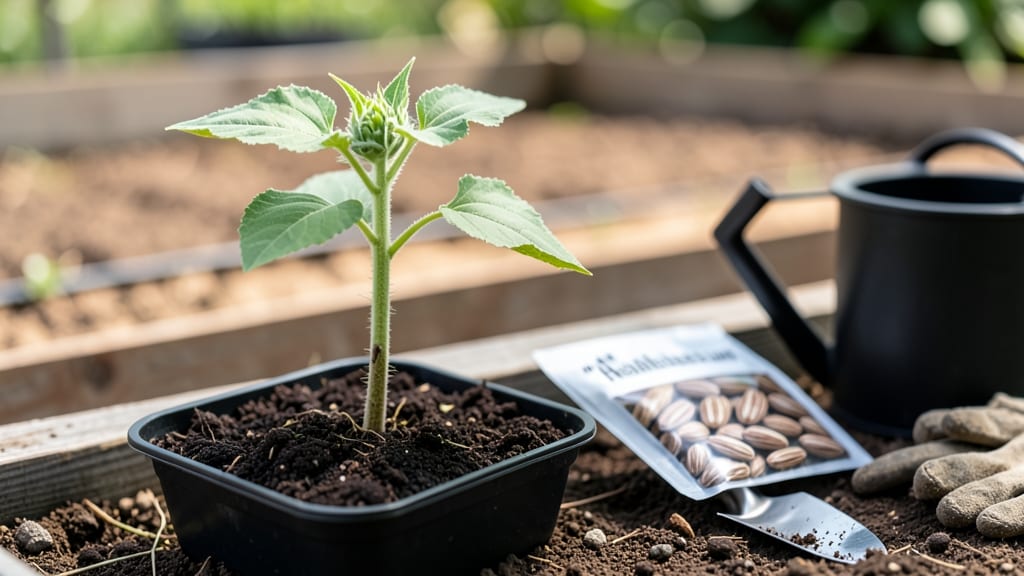
Planting sunflowers in Minnesota after the last frost—typically late April to mid-June—sets the stage for towering 🌻 blooms that thrive in USDA Zones 3-5.
Sunflowers bring vibrant color and joy to Minnesota gardens—but planting them at the wrong time can mean wilted dreams before they even bloom. Timing is everything in Zone 4a/4b, where late frosts linger well into spring.
Direct sowing after the soil warms (around 50°F) and all danger of frost has passed is the easiest route, but starting seeds indoors gives early varieties a head start. The key is knowing your local frost-free date—Minneapolis averages mid-May, while northern regions like Duluth may wait until early June.
Below, I’ll break down the exact planting windows for your area, how to stretch the season with row covers, and the three mistakes that kill sunflowers in Minnesota before they reach their full height.
Minnesota sunflower planting deadlines by USDA Zone 4a/4b
Minnesota's Zone 4a/4b climate demands precision when planting sunflowers—late frosts can strike as late as May 15th in some areas, while early bloomers like 'Teddy Bear' need 60-70 frost-free days to mature. Understanding your local frost dates is critical to avoid frost damage before those iconic yellow blooms appear.
For direct sowing (planting seeds outdoors), wait until soil temperatures reach 50°F+ and all danger of frost has passed.
In Minneapolis, this typically falls between May 10th-20th, while Duluth may wait until May 25th due to its cooler climate. Rochester usually aligns with Minneapolis but can vary by 3-5 days depending on microclimates.
Transplanting sunflower seedlings is trickier due to their delicate root systems. Only attempt this after May 25th in most of Minnesota, using row covers for added protection if planting earlier. Extended-season varieties like 'Autumn Beauty' can handle shorter seasons but still need 75+ frost-free days.
Here’s how frost-free dates break down for Minnesota’s major cities:
| Location | Last Frost Date | Direct Sowing Window | Transplant Window | Best Varieties |
|---|---|---|---|---|
| Minneapolis (Zone 4b) | May 10-20 | May 15-June 10 | May 25-June 5 | 'Teddy Bear', 'Moulin Rouge' |
| Duluth (Zone 4a) | May 25-June 5 | June 1-15 | June 10-20 | 'Autumn Beauty', 'Russian Giant' |
| Rochester (Zone 4b) | May 12-22 | May 18-June 12 | May 28-June 8 | 'Sunspot', 'ProCut' |
If you’re eager to start earlier, consider indoor seed starting 2-3 weeks before your last frost date. Sunflowers germinate quickly (5-10 days) but grow rapidly, so transplant seedlings when they’re 4-6 inches tall and hardened off.
Use black plastic mulch to warm soil faster in cooler areas like Zone 4a.
For extended-season varieties, prioritize dwarf or semi-dwarf types like 'Little Becka' (3-4 ft tall) or 'Pacino' (5-6 ft tall). These mature in 60-70 days, giving them a better chance to bloom before Minnesota’s first frost (typically mid-October).
Plant them 2-3 weeks later than traditional varieties to avoid early bolting.
Always monitor your local Almanac frost predictions—Minnesota’s weather is unpredictable, and a late-May frost can still occur. Use frost cloth for young seedlings until they’re 12 inches tall and sturdy.
With the right timing, your sunflowers will reach their full potential and bring bright, cheerful blooms to your garden by summer’s end.
Pro tip: Mark your calendar for July 4th weekend—this is often the last safe window to direct-sow late-season varieties like 'Italian White' or 'Moulin Rouge' for a fall harvest before frost. Just be prepared to harvest seeds indoors if needed.
How to extend Minnesota’s sunflower growing season without risking frost
Minnesota’s short growing season doesn’t have to limit your sunflower dreams. With the right strategies, you can coax these cheerful giants to bloom even in Zone 4a/4b. The secret lies in starting early, protecting tender seedlings, and choosing varieties that mature quickly before fall frosts arrive.
Early-maturing varieties like 'Moulin Rouge' (50-60 days to bloom) or 'Autumn Beauty' (60-75 days) are perfect for Minnesota’s climate. These varieties give you a buffer against late frosts while still delivering stunning 10-foot-tall blooms by late summer. Pair them with these proven techniques to maximize your growing window.
Start seeds indoors 4-6 weeks before last frost
Use biodegradable pots and transplant seedlings when soil reaches 50°F. This gives you a 3-4 week head start on outdoor planting.
Use row covers for early and late plantings
Floating row covers protect seedlings from light frosts (28-32°F). Remove when flowers appear to prevent overheating.
Choose dwarf varieties for containers
'Teddy Bear' (3-4 ft) or 'Moulin Rouge' thrive in 5-gallon containers and can be moved indoors before frost.
Plant succession crops every 2 weeks
Stagger plantings to ensure continuous blooms from July through September, even if early ones get frost.
Use black plastic mulch to warm soil
Lay black plastic 2-3 weeks before planting to raise soil temps by 5-10°F and extend the growing season.
For northern Minnesota gardeners in Zone 4a, consider cold frames or low tunnels to create microclimates. These simple structures can add 2-3 weeks to your growing season by trapping heat during the day and insulating at night.
Even in Minneapolis (Zone 4b), a cold frame can help you push the season just enough to enjoy sunflowers through early October.
Remember, sunflowers are remarkably resilient once established. While they won’t tolerate frost at any stage, mature plants can handle light frosts (28°F) after blooming begins. The key is getting them through that critical seedling stage when they’re most vulnerable.
With these techniques, you’ll have golden blooms gracing your garden long after your neighbors have packed away their gardening tools.
Pro tip: Save seeds from your healthiest sunflowers for next year! Minnesota’s climate favors heirloom varieties, and homegrown seeds often adapt even better to local conditions than store-bought ones. Just let the heads dry completely on the stalk before harvesting.