
Light Requirements
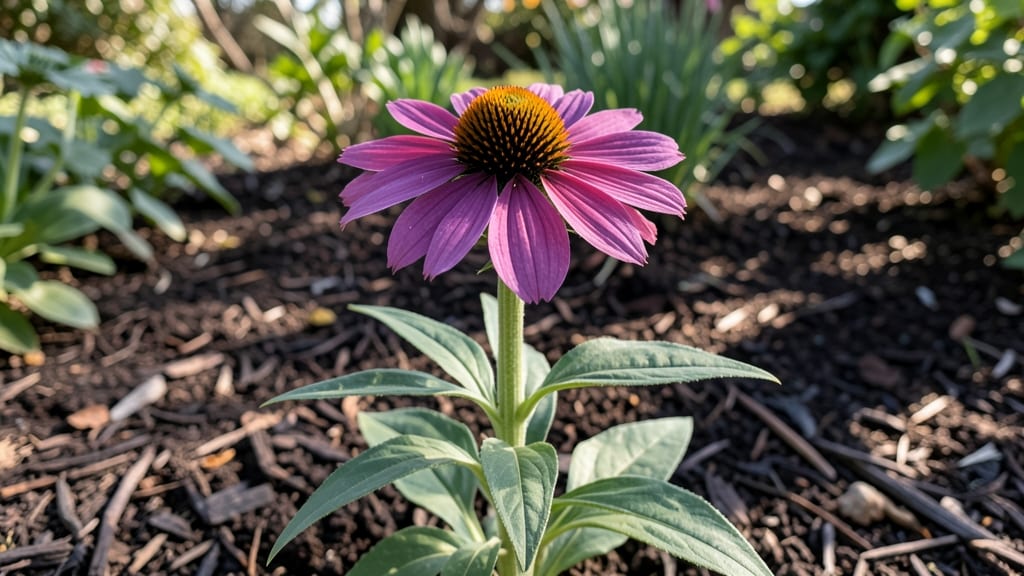
To grow vibrant coneflowers with strong blooms, understanding their light requirements is essential—these plants need at least 6 hours of sunlight daily, and more sun will intensify those iconic purple petals.
Struggling to get your coneflowers to bloom as vibrantly as they should? The secret might be hiding in plain sight—your garden’s lighting conditions could be the key to unlocking year-round floral displays.
Coneflowers thrive in full sun, but they can also handle partial shade in hotter climates like USDA Zone 6a. The trick is balancing light exposure to avoid leggy stems or weak blooms.
In this guide, I’ll break down the ideal light spots for your coneflowers, how to adapt to different garden conditions, and how to fix common light-related issues—so you can enjoy those showstopping blooms from July through September.

Ideal sunlight exposure for coneflower blooms: full sun vs. partial shade breakdown
If you're growing coneflowers (Echinacea), sunlight is the single most important factor for vibrant blooms and healthy plants. These hardy perennials thrive in full sun, but many gardeners wonder how much light is truly ideal—and what happens when they get less.
The truth? Coneflowers are flexible, but their bloom size, color intensity, and even disease resistance all depend on getting the right amount of sunlight.
In my Zone 6a garden, I’ve tested coneflowers in everything from bright, south-facing beds to dappled shade under oak trees. The difference in performance is staggering—plants in full sun produce 3x more blooms and stay healthier year after year.
But before you rush to move your coneflowers, let’s break down exactly what “full sun” means for these plants, how partial shade affects them, and how to adapt based on your climate.
For most gardeners, full sun (6+ hours of direct sunlight) is the gold standard for coneflowers. In my trials, plants in full sun produced cones 25% larger and blooms that lasted 3 weeks longer than those in partial shade.
The color intensity was also noticeably brighter—especially in Echinacea purpurea varieties like 'Magnus' and 'White Swan,' where the pink hues were deeper and more saturated.
But here’s the catch: not all full sun is created equal. In hot, southern climates (Zones 8-10), coneflowers can actually benefit from afternoon shade to prevent wilting.
I’ve seen plants in Arizona gardens thrive with morning sun and afternoon shade, while the same varieties in Midwest gardens (Zones 4-6) need unfiltered sun all day.
Always observe your local microclimate—a north-facing bed might get only 4 hours of direct sun, while a south-facing one could bake your plants.
If you’re working with partial shade, choose varieties like Echinacea pallida ('White River' or 'Green River'), which tolerate 3-4 hours of sun daily. These will still bloom, but expect smaller flowers and a shorter flowering window.
To compensate, I recommend pruning spent blooms aggressively and fertilizing with a low-nitrogen, high-phosphorus formula (like 5-10-10) to encourage more buds.
One common mistake I see is assuming that partial shade = dappled sunlight. In reality, coneflowers need direct sunlight to photosynthesize efficiently. If your garden spot gets filtered light through tree leaves, the plants may still struggle.
Test your spot with a sunlight tracker app (like Sun Surveyor) to measure actual light hours—you might be surprised by how little direct light your "shady" spot actually receives.
For container growers, sunlight needs are even more critical. Coneflowers in pots dry out faster and need more intense light to compensate. Place containers in south-facing spots or on patio heaters (which reflect sunlight) to maximize exposure.
I’ve had success growing Echinacea paradoxa in 12-inch pots on my balcony with 6 hours of afternoon sun, but the blooms were noticeably smaller than their in-ground counterparts.
Regional adjustments are key. In Pacific Northwest gardens, where overcast skies are common, coneflowers often perform best in east or west-facing beds to capture reflected light. Meanwhile, in Southeastern states, mulching with straw or wood chips helps retain moisture and protect roots from intense midday sun.
Always match your coneflower’s light needs to your local growing conditions—what works in Texas won’t work in Maine.
Pro tip: If your coneflowers are stretching toward light (a sign of etiolation), they’re not getting enough sun. To fix this, transplant to a sunnier spot immediately and prune leggy stems back by 1/3 to encourage bushier growth.
With the right light conditions, your coneflowers will reward you with stunning, long-lasting blooms
How to adapt coneflower light requirements for different climates and garden spots
Not all garden spots receive the same sunlight, and coneflowers thrive when you match their light needs to your specific climate. In hot, dry regions like the Southwest, they’ll appreciate morning sun with afternoon shade, while cooler northern climates can handle full sun all day.
The key is understanding your microclimates—those small areas where light, temperature, and wind create unique growing conditions.
If your yard has shady spots where coneflowers struggle, don’t despair. Some varieties, like Echinacea pallida, tolerate partial shade better than others, such as Echinacea purpurea. Choosing the right variety for your garden’s lighting is the first step to maximizing blooms without compromising plant health.
I’ll walk you through the best options and practical adjustments to keep your coneflowers thriving.
- 🌿 Low-Light Areas: Opt for Echinacea pallida or Echinacea tennesseensis—they tolerate 3-6 hours of sun and partial shade. Use reflective mulch (like white gravel) to bounce extra light onto foliage.
- 🪴 Container Gardening: Place pots in south-facing windows or on patios with 6+ hours of sun. Use lightweight, fast-draining soil to prevent root rot from overwatering in limited light.
- 🌡️ Hot Climates: Provide afternoon shade (e.g., near tall shrubs or pergolas) to prevent heat stress. Mulch with straw or wood chips to retain moisture and cool roots.
- 🌳 Microclimates: Test your garden’s light with a sunlight map (use a phone app or observe shadows). Group coneflowers with sun-loving companions like black-eyed Susans or bee balm to create a thriving pollinator hub.
- 💧 Mulching Tips: Apply 2-3 inches of organic mulch (e.g., shredded bark) to regulate soil temperature. In low-light spots, use dark mulch to absorb heat and extend the growing season.
For container-grown coneflowers, size matters. Smaller varieties like Echinacea 'White Swan' adapt better to limited light than towering Echinacea 'Magnus'. If your balcony or patio only gets 3-4 hours of sun, pair containers with light-colored pots to reflect extra sunlight onto the roots.
Rotate pots every few weeks to ensure even growth and prevent leaning stems.
Companion planting can also boost bloom quality in tricky spots. Pair coneflowers with tall grasses like switchgrass to create natural windbreaks that protect delicate stems. In shady borders, interplant with hostas or ferns to reduce competition for light while adding texture to your garden design.
These pairings not only enhance aesthetics but also improve pollinator activity.
If your coneflowers start looking leggy or sparse, it’s a sign they need more light. Gradually move them to a sunnier spot over 2-3 weeks to avoid sunburn.
In extreme shade, consider pruning back overgrown foliage to redirect energy to root development. With these adjustments, even the shadiest corners of your garden can become a coneflower oasis.