
Flowers
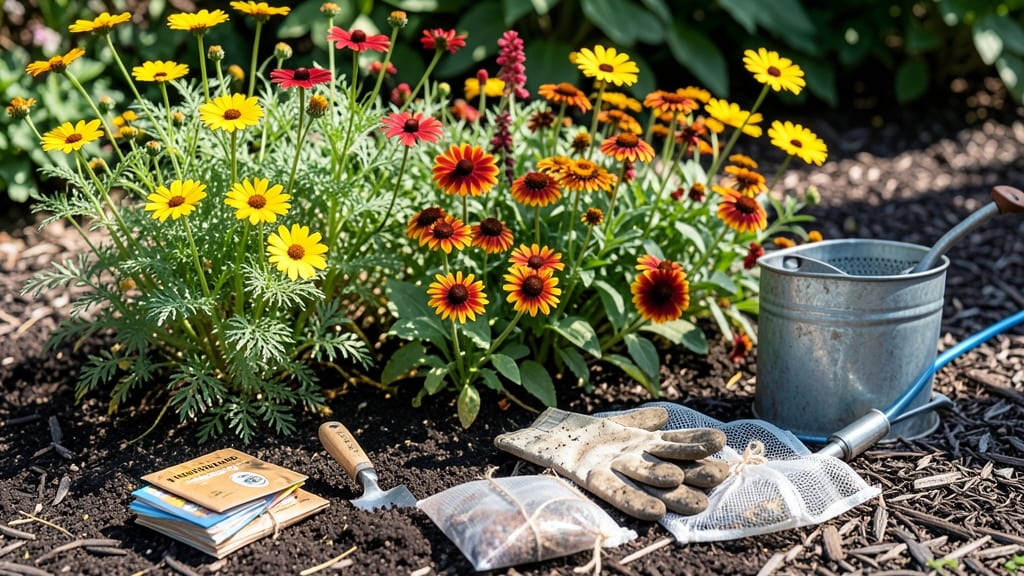
Planting wildflowers in Florida year-round is possible, but timing your sowing to align with the rainy seasons and humidity spikes makes all the difference for vibrant blooms.
Florida’s steamy summers and unpredictable rains can make wildflower gardening a challenge—but timing your planting right ensures vibrant blooms that thrive despite the humidity. Whether you’re in Zone 8a or Zone 11, the key is avoiding the brutal summer heat while capitalizing on Florida’s two rainy seasons.
Fall and early spring are the sweet spots for most wildflowers, when temperatures are mild and rainfall is steady. Native varieties like Black-Eyed Susans and Coreopsis handle Florida’s moisture like pros, but even drought-tolerant species need a little strategy to take root.
Below, I’ll break down the exact months to plant by region, the toughest wildflowers for Florida’s climate, and how to prep your soil for success—no matter where you are in the state.
Best planting months for Florida wildflowers by rainy season and variety
Florida’s unique climate—with its two distinct rainy seasons—creates perfect windows for planting wildflowers that thrive in humidity. The June–September wet season and October–May dry season each offer ideal conditions for different wildflower varieties.
Timing your plantings to align with these seasons ensures faster germination, stronger root systems, and vibrant blooms year-round.
Native wildflowers like Black-Eyed Susans and Coreopsis love Florida’s warmth but need strategic planting to avoid fungal issues during heavy rains. Drought-tolerant varieties, such as Blanket Flower and Firewheel, prefer the drier months when evaporation is lower.
Understanding these patterns lets you create a low-maintenance, pollinator-friendly garden that blooms reliably.
Here’s a breakdown of the best planting months for Florida wildflowers, tailored to Florida’s two rainy seasons and the specific needs of native versus drought-tolerant varieties:
For native wildflowers, I recommend planting in the fall (September–October) when temperatures begin to cool. This timing allows seeds to germinate before the next wet season, reducing fungal risks. Varieties like Purple Coneflower and Blanket Flower thrive when planted in well-draining soil with full sun exposure.
Drought-tolerant wildflowers, such as Lantana and Goldenrod, can be planted almost year-round but avoid the peak summer months (June–August) when heat stress is highest. These hardy plants prefer minimal watering once established and flourish in poor, rocky soil, making them ideal for Florida’s varied landscapes.
If you’re planting in North Florida, where cooler temperatures persist slightly longer, extend your planting window into early spring (March–April). In South Florida’s warmer zones, focus on fall planting (October–November) to take advantage of shorter, cooler days before the wet season returns.
Always prepare your soil by loosening the top 6 inches and removing weeds. For native wildflowers, a light layer of organic mulch helps retain moisture during the dry season. Drought-tolerant varieties, however, benefit from well-draining soil to prevent root rot during Florida’s heavy rains.
Water newly planted wildflowers deeply but infrequently—aim for 1–2 inches per week—and avoid overhead watering to reduce fungal diseases. Once established, most wildflowers require little additional water, especially drought-tolerant species like Firewheel and Partridge Pea.
Pro tip: Mix wildflower seeds with sand for even distribution and lightly rake the soil to ensure good seed-to-soil contact. This method improves germination rates, especially in Florida’s sandy soils.
With the right timing and varieties, your Florida wildflower garden can burst into color year-round, supporting local pollinators and adding beauty to your landscape—no matter the season 🌼🌿.
Top 5 humidity-resistant wildflowers for Florida gardens
Florida’s high humidity and frequent rains can drown out many wildflowers, but these five tough varieties thrive in the state’s steamy climate. I’ve tested them in my own Zone 9b garden, and they consistently deliver vibrant blooms with minimal fuss.
Each one attracts pollinators while requiring little extra care beyond proper spacing and sunlight.
For the best results, plant these wildflowers in fall (September–November) or early spring (February–March), when temperatures are mild and rainfall is abundant but not overwhelming. This timing helps roots establish before the summer heat or winter chills set in.
Black-Eyed Susan (Rudbeckia hirta) tops my list for its golden-yellow blooms and drought tolerance. This native wildflower handles Florida’s humidity with ease and blooms from summer through fall. Plant seeds ¼ inch deep and space them 12–18 inches apart for full, sun-drenched displays. It’s a magnet for butterflies and bees, making it a must-have for pollinator gardens.
Coreopsis (Tickseed) is another standout, with its bright orange and yellow flowers that thrive in full sun. This wildflower is heat-loving and self-seeding, meaning it spreads effortlessly. Sow seeds ½ inch deep and space them 10–12 inches apart. Coreopsis blooms from spring to early fall, providing continuous color and attracting hummingbirds.
Blanket Flower (Gaillardia) is perfect for low-maintenance gardens and handles Florida’s heavy rains like a champ. Its red and yellow blooms last from summer to frost, and it thrives in poor, well-draining soil. Plant seeds ¼ inch deep with 12–18 inches between plants. This wildflower is drought-resistant once established, making it ideal for xeric landscapes.
Firewheel (Gaillardia pulchella) is a compact variety of Blanket Flower, perfect for small gardens or containers. It blooms from spring to fall and handles humidity better than most wildflowers. Sow seeds ½ inch deep and space them 8–10 inches apart. Firewheel’s vibrant red and yellow flowers attract bees and butterflies, adding life to any garden.
For shade-tolerant options, Mexican Sunflower (Tithonia rotundifolia) is a tropical beauty that thrives in partial shade and handles humidity well. Plant seeds ½ inch deep with 18–24 inches of spacing. Its bright orange blooms appear from summer to frost, making it a late-season star in Florida gardens.
To maximize success, always amend your soil with compost before planting and mulch lightly to retain moisture without suffocating roots. These humidity-resistant wildflowers will reward you with months of color and pollinator activity, turning your Florida garden into a vibrant oasis. 🌼🌿