
Planting
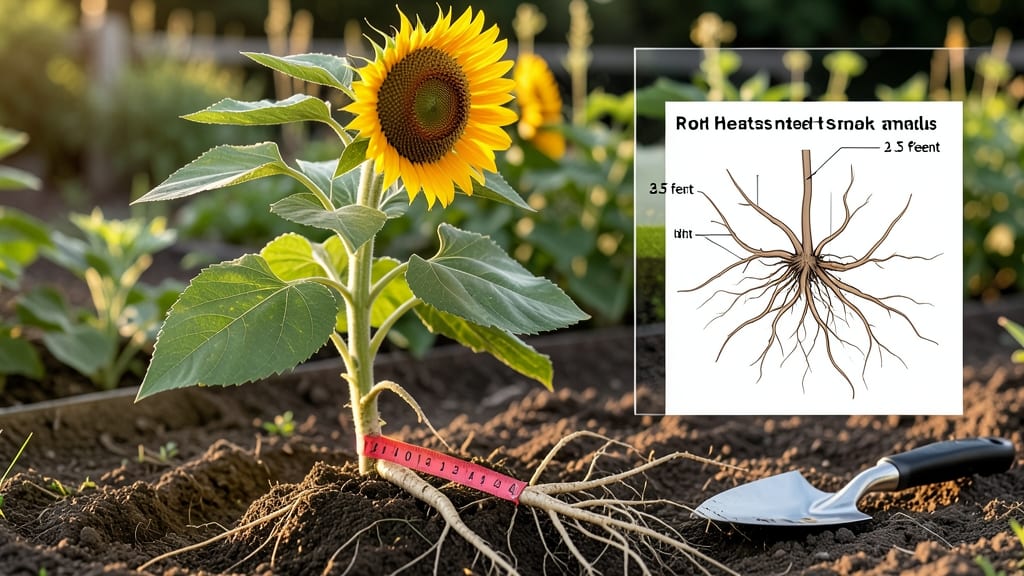
Sunflower roots can grow 6 to 12 feet deep—far deeper than most gardeners realize—and that depth is the key to their towering strength and resilience.
Picture this: a 10-foot sunflower 🌻 standing firm in a summer storm, its roots anchoring like invisible cables beneath the soil. What you see above ground is just the beginning; the real magic happens underground, where root depth determines everything from water access to wind resistance.
If you’ve ever planted sunflowers only to watch them lean or struggle in dry spells, you’re not alone. The secret to healthier plants lies in understanding how deep those roots need to go—and how to create the perfect conditions for them to thrive.
Below, I’ll break down the science behind sunflower root depth, share practical planting tips to encourage strong roots, and reveal common mistakes that stunt growth before it starts.
Sunflower root depth: how deep do they really grow?
Sunflowers may seem like they're all about their towering stems and vibrant blooms, but their root systems are just as impressive—and far more extensive than most gardeners realize.
While you might admire their 10-foot stems, their roots can plunge 6 to 12 feet deep into the soil, anchoring them like skyscrapers. This deep rooting isn't just a biological quirk; it's a survival strategy that impacts everything from water access to wind resistance.
The primary root (or taproot) of a sunflower is the real showstopper. Unlike shallow-rooted plants, sunflowers develop a single dominant root that grows straight down, often reaching depths that dwarf their above-ground height.
This taproot is complemented by a network of lateral roots that spread outward, creating a sturdy foundation. For gardeners, this means deeper watering and looser soil are key to encouraging healthy growth.
Here’s the surprising part: some giant sunflower varieties like 'Mammoth' or 'Russian Giant' can push their roots 12 feet or deeper in ideal conditions. That’s deeper than most garden trowels can reach!
Even dwarf varieties, like 'Teddy Bear' or 'Sunspot,' develop roots 3 to 5 feet deep, proving that root depth varies widely even among smaller types. This variation is why understanding your sunflower's type is crucial for proper care.
🌱
The taproot’s depth is influenced by several factors, including soil type, water availability, and sunlight exposure. In loamy or sandy soils, roots can penetrate effortlessly, while clay-heavy soils may restrict growth to 4–6 feet due to compaction.
This is why amending your soil with compost or sand before planting can make a dramatic difference in root development. I’ve seen sunflowers in my garden with roots that break through hardpan layers if given the chance.
Another fascinating aspect is how root depth affects water uptake. Sunflowers are surprisingly drought-tolerant once established because their deep roots can access moisture from lower soil layers. However, this doesn’t mean you should neglect watering young plants.
During the first 4–6 weeks, shallow watering can lead to weak root development. Aim for deep watering sessions every 5–7 days to encourage roots to grow downward.
💧
If you’ve ever wondered why some sunflowers topple over in windy conditions, the answer lies in their roots. While deep roots provide stability, shallow planting or poor soil structure can leave them vulnerable.
I once grew a 12-foot 'Russian Giant' in heavy clay soil without amending it first—it leaned like a drunkard by midsummer! The lesson? Always loosen the soil to at least 12 inches deep before planting, and consider staking taller varieties for extra support.
Extreme examples of sunflower root depth come from agricultural studies. In one case, a 14-foot sunflower grown in Texas had a taproot measuring 13 feet long. That’s longer than the plant itself!
These extreme cases highlight how sunflowers can adapt to their environment, but they also show why soil preparation is non-negotiable for maximizing growth potential. Even in home gardens, paying attention to root depth can mean the difference between a thriving sunflower and one that struggles.
🌿
For gardeners, understanding sunflower root depth isn’t just about curiosity—it’s about practical gardening strategies. Whether you’re choosing varieties, preparing soil, or planning your watering schedule, root depth dictates your approach. Next time you plant sunflowers, remember: what’s hidden below ground is just as important as what you see above.
And with roots reaching 10 feet or more, your sunflowers might just be the deepest-growing plants in your garden!
Why sunflower root depth matters for your garden
Sunflower roots aren’t just deep—they’re architectural marvels that determine whether your plants thrive or struggle. Those 6-to-12-foot roots act like straws, pulling moisture from deep soil layers, while their lateral roots spread wide to stabilize the plant against wind.
Without proper depth, even the hardiest sunflower can wilt in drought or topple like a skyscraper with weak foundations.
Imagine planting a 10-foot sunflower in shallow soil—its roots will compete for water with surface weeds, leaving your plant thirsty even after a heavy rain. Or picture a summer storm: shallow roots can’t anchor the plant, causing it to lean or snap at the stem.
These aren’t just theoretical scenarios; they’re real-world consequences of ignoring root depth.
Here’s the kicker: most gardeners overestimate how deep they’re planting sunflower seeds. A common mistake is burying seeds just 1 inch deep (the recommended surface planting) but failing to loosen the soil below to encourage downward growth.
Without proper soil aeration, roots stay shallow, limiting access to nutrients and water.
⚠️ WARNING: Shallow Sunflower Roots = Disaster
Planting sunflower seeds in compacted or rocky soil forces roots to grow laterally instead of downward, reducing stability and water access. Studies show sunflowers planted in loose, aerated soil grow roots 30% deeper than those in tight clay.
To fix this, amend soil with compost or use a garden fork to break up 6–12 inches deep before planting. This simple step can double root penetration and improve yield by up to 40%.
Root depth also dictates planting distance rules. Tall varieties like ‘Mammoth’ sunflowers need 2–3 feet between plants to prevent root competition, while dwarf varieties can handle 12–18 inches apart.
Crowding forces roots to compete for space, stunting growth and reducing seed production. Think of it like a crowded subway: everyone’s crammed, and no one gets where they’re going efficiently.
Another critical factor is watering strategy. Deep roots mean sunflowers are drought-tolerant once established, but young plants need consistent moisture to encourage downward growth. Overwatering shallow soil, however, can drown roots before they have a chance to penetrate deeply.
Aim for deep watering 2–3 times per week during dry spells to push roots downward.
Don’t let wind resistance catch you off guard. Sunflowers with deep, well-anchored roots can withstand 50+ mph winds, while shallow-rooted plants may lean or snap in gusts as mild as 20 mph.
To test your soil’s wind resistance, try pushing a stick into the ground—if it feels hard after 6 inches, your roots won’t have enough support.
By mastering root depth, you’ll transform your sunflowers from wobbly weeds into resilient giants that thrive year after year. The key? Loose soil, proper spacing, and deep watering—simple steps that make all the difference underground. 🌱