
Blooming
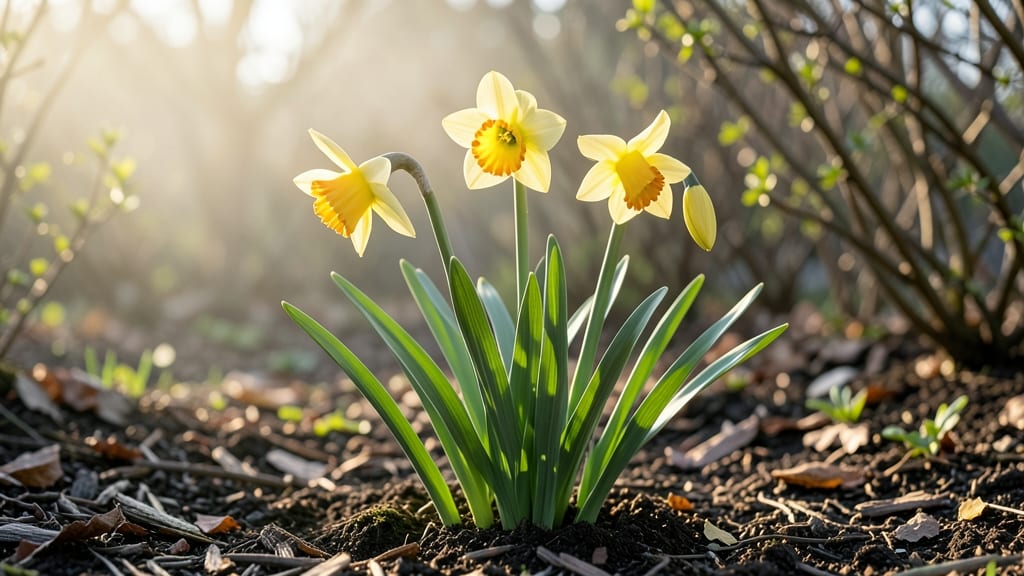
Predicting your daffodil flowering time boils down to two things: your last frost date and the variety you planted. 🌼
If you’ve ever waited impatiently for those cheerful blooms to appear—only to find they’re weeks early or late—you’re not alone. The timing isn’t random; it’s a mix of science and strategy.
Understanding how soil temperature, regional frost patterns, and even bulb care can shift your daffodils’ schedule lets you plan for vibrant spring displays with confidence.
Most daffodils need 6 to 12 weeks of chilling before they bloom, but that window shifts depending on where you live. In USDA Zone 6a, for example, early varieties like ‘Tête-à-Tête’ might push through the soil by late March, while later bloomers like ‘Geranium’ hold off until May.
The key? Knowing your last frost date and how to adjust planting or care to fine-tune the timing.
In this guide, I’ll break down the science behind daffodil blooming, share the best varieties for staggered spring color, and give you 5 pro tips to speed up or delay blooms naturally—so you can enjoy those cheerful faces right when you want them.
How last frost dates determine daffodil flowering time
Daffodils are nature's reliable harbingers of spring, but their bloom timing isn't just about luck—it's a precise biological response to your last frost date and soil temperature thresholds. These cheerful flowers need a 6-12 week chilling period at 35-40°F soil temps before they'll burst into bloom.
When you plant them relative to your local frost patterns, you're essentially setting their internal clock.
The magic happens when daffodil bulbs experience consistent cold temperatures, which triggers flowering hormones. Once your region's last frost passes and soil warms above 50°F, the countdown to blooms begins.
Understanding this process lets you predict bloom windows with remarkable accuracy—whether you want early spring color or extended displays.
| Factor | Key Details | Bloom Impact |
|---|---|---|
| Last Frost Date | USDA Zone 3: May 10 | Zone 5: April 1 | Zone 7: March 15 | Earlier frosts delay blooms by 3-4 weeks |
| Soil Temp Threshold | 35-40°F for chilling | 50°F+ for growth | Cold soils extend chilling time |
| Chilling Duration | 6-12 weeks below 40°F | Longer chilling = earlier blooms |
| Planting Depth | 6 inches deep (standard) | Deeper = delayed but longer blooms |
| Variety Type | Early: 'Tête-à-Tête' | Late: 'Geranium' | Genetics set 2-4 week ranges |
Your local last frost date acts as the starting gun for daffodil blooms. For example, in Zone 5 where the last frost typically occurs around April 1, early varieties like 'Tête-à-Tête' often bloom by mid-April, while late bloomers like 'Geranium' may wait until late May.
The key is that daffodils need consistent cold exposure before they'll flower.
To calculate your bloom window, start with your local last frost date and add 6-12 weeks based on variety. For instance, if your last frost is March 15 and you plant 'Ice Follies' (an early bloomer), you can expect flowers around late April to early May.
This method works because daffodils require vernalization—a cold treatment that breaks their dormancy.
Regional differences play a huge role. In warmer climates like Zone 8, where last frosts may occur in February, daffodils often bloom 4-6 weeks earlier than in colder Zone 4 areas.
This is why gardeners in Southern California might see daffodils in February, while Northern gardeners wait until May. Always check your USDA hardiness zone and local frost maps for precise timing.
Adjusting your planting schedule based on frost dates is simpler than you think. For early blooms, plant bulbs 6-8 weeks before your average first frost. For late-season displays, delay planting until October or November to extend the chilling period naturally.
This technique lets you stagger blooms by mixing early, mid, and late varieties in your garden.
Soil temperature matters just as much as air temperature. Daffodil bulbs need to experience consistent soil temps below 40°F for their chilling requirement. In urban areas where pavement retains heat, soil may stay warmer, delaying blooms.
To compensate, plant bulbs deeper (8-10 inches) or use organic mulch to insulate the soil and encourage colder temperatures.
One common mistake is assuming all daffodils bloom at the same time. In reality, early bloomers like 'February Gold' can appear just 2-3 weeks after your last frost, while late varieties like 'Thalia' may wait until June.
By selecting a mix of 3-5 varieties with staggered bloom times, you can create a continuous spring display that lasts 8-10 weeks.
For gardeners in transition zones where frosts are unpredictable, consider using row covers or planting near south-facing walls to create microclimates that warm up faster. This can help advance bloom times by 1-2 weeks in areas with erratic frost patterns.
Always monitor your soil temperature with a soil thermometer for the most accurate predictions.
Remember, daffodils are perennials, so once planted, they'll return year after year with increasing reliability in their bloom timing. The first year may vary slightly, but subsequent years will follow your established frost patterns more closely. With this knowledge, you can plan your garden layout to maximize
Best daffodil varieties ranked by flowering time (early to late)
If you want a nonstop parade of daffodil color from late winter to early summer, choosing the right varieties is key. The blooming window for daffodils ranges from 4 to 10 weeks, depending on the type.
Early bloomers like 'Tête-à-Tête' push through the soil as soon as the ground thaws, while late varieties like 'Geranium' wait until May. Mixing these strategically ensures your garden stays vibrant for months.
Most daffodils thrive in USDA Zones 3-8, but their exact bloom time depends on your last frost date and the variety’s chilling requirements. For example, in Zone 6a, early bloomers often emerge in late March, while late varieties hold off until May or June.
Understanding these timelines lets you plan for a staggered spring display that keeps your garden lively.
Start with early bloomers like 'Tête-à-Tête' (a miniature variety perfect for containers) or 'February Gold,' which typically bloom in late March. These varieties are ideal for Zone 4-8 and thrive in full sun.
Their bright yellow or white blooms add instant cheer to early spring gardens, often appearing before tulips.
For a mid-season splash, try 'Ice Follies' (a double-flowered white daffodil) or 'Thalia' (a pink-hued variety). These bloom in April and are perfect for cut flowers or border plantings.
'Ice Follies' is especially popular for its snow-white petals and ruffled edges, while 'Thalia' adds a soft contrast with its pale pink tones.
To extend your blooms into late spring, plant late varieties like 'Geranium' (a large-cupped yellow daffodil) or 'Peach Soufflé' (a soft peach beauty). These typically bloom in May or June and are perfect for Zone 5-9.
Their taller stems (up to 24 inches) make them standout focal points in garden beds.
Pro tip: Mix 3-4 varieties for a continuous bloom from March through June. For example, pair 'Tête-à-Tête' (early) with 'Ice Follies' (mid) and 'Geranium' (late) to create a colorful progression.
Plant them in groups of 5-7 bulbs for a natural, abundant look. Just ensure all varieties get well-draining soil and 6+ hours of sun daily.
Don’t forget to deadhead spent blooms to encourage stronger foliage next year, but leave the leaves until they yellow naturally. This ensures the bulb stores energy for future blooms. With the right mix, your daffodils will keep your garden bright and cheerful long after other spring flowers fade. 🌸