
Flowers
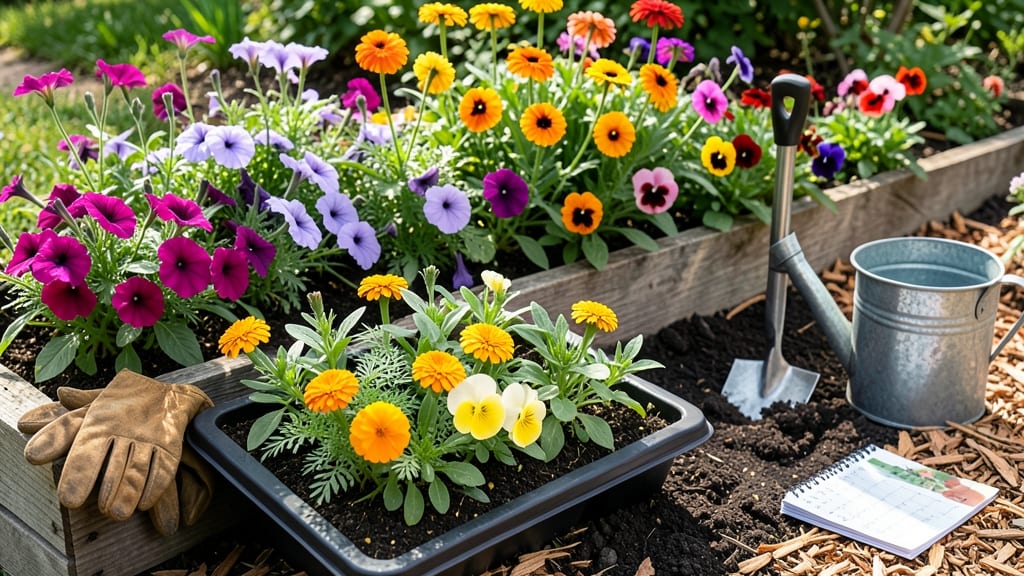
To plant flowers in Pittsburgh, aim for after the last frost date—typically mid-April—but don’t wait too long, or you’ll miss the best blooms of the season.
Pittsburgh’s unpredictable spring weather can turn a beautiful flower garden into a frost-damaged disappointment if you plant too early—or a missed opportunity if you wait too long. Timing is everything, and knowing the last frost dates for USDA Zones 6B and 7A will help you maximize your blooms this season.
Whether you’re dreaming of vibrant annuals like petunias or hardy perennials like coneflowers, the key is planting when the soil warms to 60°F and the risk of frost has passed. Fall is also a great time to get a head start on next year’s blooms with bulbs like tulips.
Below, I’ll break down the best planting windows for Pittsburgh’s climate, how to adjust for microclimates, and which flowers thrive in each season—so you can enjoy a garden that bursts into color from spring through fall.
Pittsburgh last frost dates: exact timelines for zone 6B & 7A flower planting
Pittsburgh’s last spring frost typically arrives between April 15 and May 1, while the first fall frost usually hits around October 15. These dates create a 165-day growing season—just enough time to grow vibrant annuals like petunias and hardy perennials such as coneflowers.
Missing these windows can mean frost-killed seedlings or missed blooms.
For Zone 6B (most of Pittsburgh), the average last frost date is April 22, but Zone 7A areas (like the South Hills) often see frost-free conditions by April 10.
Historical data shows a 10-day range either way—so flexibility is key. Tender flowers like marigolds or geraniums need to wait until after these dates to avoid damage.
Use these last frost dates as your guide:
- Zone 6B: April 15–May 1 (safe to plant after)
- Zone 7A: April 1–April 15 (earlier window)
- First frost: October 15 (plant fall bulbs 6 weeks before)
| Planting Window | Zone 6B (Avg.) | Zone 7A (Avg.) | Notes |
|---|---|---|---|
| Last Spring Frost | April 22 | April 10 | Wait 1–2 weeks after for tender flowers |
| First Fall Frost | October 15 | October 15 | Plant bulbs 4–6 weeks before frost |
| Safe Planting for Annuals | May 1–15 | April 15–30 | Petunias, marigolds, zinnias thrive here |
| Fall Planting for Perennials | September 1–15 | September 1–15 | Coneflowers, black-eyed Susans establish roots |
| Microclimate Adjustments | ±7 days | ±7 days | Urban areas warm up faster; valleys cool slower |
Microclimates in Pittsburgh can shift your planting window by up to 2 weeks. Urban areas like Downtown or Sharpsburg often warm up faster due to heat islands, while river valleys (e.g., Monongahela) stay cooler longer.
Use row covers or cold frames to extend your season for tender annuals like begonias or impatiens.
For fall planting, aim to get perennials like sedum or Russian sage in the ground 6 weeks before frost. This gives roots time to establish before winter. Bulbs (daffodils, tulips) can go in 4–6 weeks before frost, but protect them with mulch once ground freezes.
Historical data shows 2023’s last frost came April 28—nearly 2 weeks later than average—while 2021 saw frost as late as May 5. Always check local forecasts or use Pittsburgh Botanical Gardens’ frost alerts for real-time updates.
My go-to trick? Plant fast-growing radishes as an early indicator—they’ll tell you when soil is truly warm.
If you’re unsure, start with cold-hardy annuals like pansies or snapdragons in early April. These can handle light frosts and give you color even if late frosts hit. For tender varieties, wait until May 15 in Zone 6B or May 1 in Zone 7A to avoid disappointment.
Pro tip: Use a soil thermometer to confirm 60°F soil temps—this is the real signal to plant, not just the calendar date. Warm soil = faster germination for seeds and stronger starts for transplants.
My 2024 garden thrived because I waited for consistent 60°F readings before planting tomato seedlings (yes, they’re flowers too!).
Remember, fall planting isn’t just for bulbs—cool-season annuals like pansies and calendulas love September soil. These bloom until hard frosts, giving you color through November if planted by September 15. Pair them with winter-hardy perennials like heuchera for year-round interest.
For extension tips, visit Pittsburgh’s Urban Agriculture Collective or check the PSU Extension’s frost calendar
Best flowers to plant in Pittsburgh by season: spring vs. fall planting guide
Pittsburgh’s USDA Zones 6B and 7A create a unique growing season where spring and fall planting offer the best opportunities for vibrant blooms. While spring brings a burst of color, fall planting often yields stronger, hardier plants that thrive through Pittsburgh’s winter chills and summer humidity.
The key is selecting the right flowers for each season and timing your plantings to avoid late frosts or early heat waves.
For spring planting, focus on cold-hardy annuals like pansies and snapdragons, which can handle light frosts and bloom early. Meanwhile, fall planting is ideal for perennials and bulbs like coneflowers and tulips, which establish roots before winter and reward you with bold summer blooms.
Understanding these seasonal strategies will help you create a year-round garden that stays beautiful no matter the weather.
🌱 When to Plant Flowers in Pittsburgh: Seasonal Timeline
- Early Spring (March-April): Plant cold-hardy annuals like pansies, violas, and sweet peas 4-6 weeks before last frost. These thrive in cooler temps and brighten up early gardens.
- Late Spring (May): After the average last frost date (April 15), plant heat-loving annuals such as marigolds, zinnias, and petunias. Wait until soil warms to 60°F+ to avoid stunted growth.
- Early Fall (September): Perennials and bulbs like coneflowers, black-eyed Susans, and tulips should be planted 4-6 weeks before first frost (early October). This gives roots time to establish before winter.
- Late Fall (October-November): Spring-blooming bulbs like daffodils and crocuses can be planted until ground freezes. Use mulch (3-4 inches) to protect bulbs from winter heaving.
Pittsburgh’s spring planting window is short but sweet, especially for tender annuals that need warmth to thrive. Start with pansies and snapdragons in early spring—they tolerate light frosts and add early-season color.
Once temperatures rise, transition to heat-loving varieties like geraniums and sunflowers, which need consistent warmth to flourish. Always check the soil temperature with a thermometer; 60°F+ is ideal for most annuals.
Fall planting, however, is where Pittsburgh gardeners truly shine. Perennials like coneflowers and black-eyed Susans benefit from fall root establishment, meaning they’ll bloom earlier and more vigorously the following summer.
For bulbs like tulips and daffodils, planting in fall ensures they survive winter dormancy and burst into bloom in spring. Use a light layer of mulch (2-3 inches) to insulate bulbs and prevent frost damage.
Don’t overlook frost protection tips for late spring or early fall plantings. If a late frost warning appears, cover delicate plants with frost cloth or row covers and remove them once temperatures rise.
For fall-planted bulbs, avoid overwatering before the ground freezes—well-draining soil prevents rot. With these strategies, your Pittsburgh garden can bloom beautifully year-round, regardless of the season.
For personalized advice, visit local nurseries like Pittsburgh Botanical Gardens or Baker Creek Heirloom Seeds for region-specific recommendations. Their experts can help you select the best flowers for your microclimate and planting timeline, ensuring your garden thrives in Pittsburgh’s unique climate. Happy planting! 🌷