
Blooming
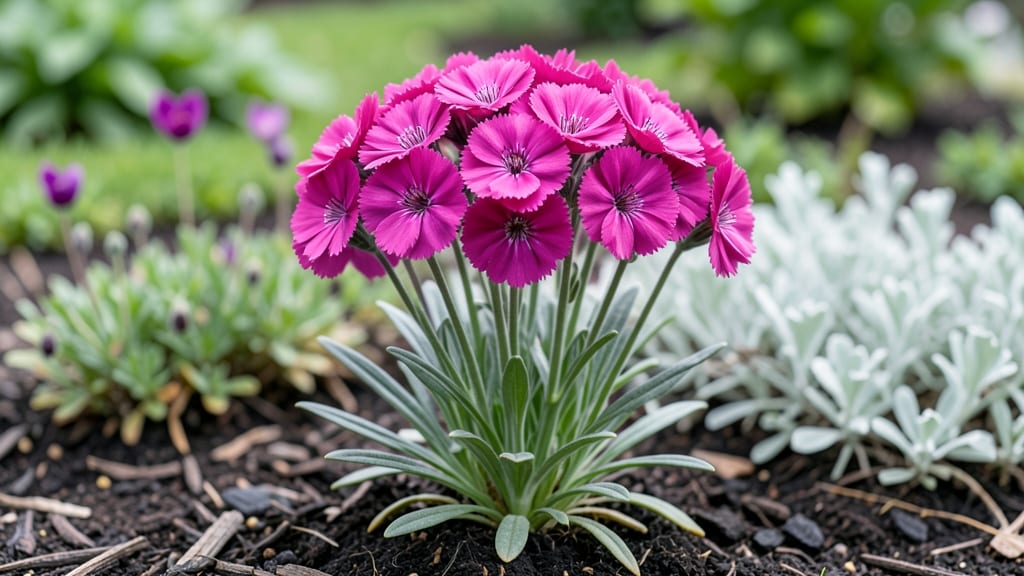
Dianthus blooms during the spring and summer flowering season, transforming your garden into a fragrant, colorful paradise—but only if you time it right.
Picture this: You’ve waited all winter for your 🌸 dianthus to burst into bloom, only to be met with sparse flowers or none at all. That’s because planting too early or too late can throw off the flowering season entirely.
Whether you’re in Zone 6a or beyond, knowing the exact window for your variety makes all the difference.
From cool-climate varieties that thrive in early spring to heat-tolerant types that keep blooming into September, each dianthus has its own schedule. The key? Planting in March or April, deadheading spent blooms, and giving them full sun to encourage repeat cycles.
With the right care, you can turn a single season of color into months of nonstop charm.
Below, I’ll break down the best planting times by zone, the varieties that bloom longest, and the simple tricks to keep your dianthus flowering until frost. Ready to turn your garden into a year-round showstopper?
Dianthus flowering season by USDA hardiness Zone: exact timelines
Timing your dianthus planting correctly ensures vibrant blooms all season long. These charming flowers thrive in USDA Zones 3-10, but their flowering windows vary dramatically depending on your climate.
Whether you're growing everblooming varieties or seasonal types, knowing the exact months for buds to open helps you plan your garden for maximum color. Let's break down the month-by-month blooming cycles so you can enjoy dianthus flowers from spring through fall.
In cooler northern zones (Zones 3-5), dianthus often blooms in late spring and early summer, while southern zones (Zones 8-10) may see multiple blooming cycles throughout the year.
Heat-tolerant varieties like Dianthus barbatus can even rebloom in fall with proper care. Understanding these patterns lets you choose the perfect varieties for your region and extend your garden's beauty season.
| USDA Zone | Early Bloom | Peak Bloom | Late Bloom | Rebloom Potential | Best Varieties |
|---|---|---|---|---|---|
| Zones 3-4 | Late May | June-July | Early August | Limited (fall frost) | Dianthus gratianopolitanus |
| Zones 5-6 | Early May | June-August | September | Moderate (with care) | Dianthus deltoides |
| Zones 7-8 | April-May | May-September | October-November | High (everblooming) | Dianthus barbatus |
| Zones 9-10 | March-April | April-October | November | Very High (year-round) | Dianthus chinensis |
Note: Timelines shift 2-4 weeks earlier in coastal climates and later in continental zones.
In Zones 3-4, where winters are harsh, dianthus typically produces a single late spring bloom followed by minimal regrowth. The peak flowering period occurs in June and July, but you'll need to plant early varieties like Dianthus gratianopolitanus to catch the first blooms.
These hardy plants often go dormant in winter, so focus on spring planting for the best results.
Gardeners in Zones 5-6 enjoy a longer blooming window, with flowers appearing as early as May and lasting through September.
The key to extending this season is deadheading spent blooms and providing well-draining soil. Dianthus deltoides, also called maiden pinks, is particularly well-suited to these zones and often produces a second flush of blooms in early fall before frost sets in.
For those in Zones 7-8, the possibilities are endless! With proper care, dianthus can bloom from spring through fall, often with multiple reblooming cycles. The sweet william variety (Dianthus barbatus) is a standout here, offering vibrant clusters of flowers that attract pollinators.
In these warmer climates, you can even plant fall varieties for winter color in mild winters.
Southern gardeners in Zones 9-10 have the advantage of nearly year-round blooming potential. Dianthus chinensis, also known as Chinese pinks, thrives in these conditions and often produces flowers from early spring through late fall.
With the right heat-tolerant varieties and consistent care, you can enjoy dianthus blooms even in summer, when many other flowers fade.
Climate plays a crucial role in determining your dianthus flowering season. Coastal areas with mild winters often see earlier blooms, while continental climates may experience delayed flowering until after the last frost. Humidity levels also affect bloom duration—high humidity can shorten flowering periods, while drier climates often result in longer, more abundant blooms.
To encourage reblooming cycles, focus on three key practices: regular deadheading, consistent watering, and balanced fertilization. Remove spent blooms immediately to redirect the plant's energy into new flower production.
In Zones 7-10, where multiple blooming cycles are possible, you might need to fertilize every 4-6 weeks during the growing season to maintain vigorous growth.
For gardeners in cooler zones (Zones 3-6), consider planting a mix of early and late varieties to stagger your blooms. Start with cold-hardy types in early spring, then add heat-tolerant varieties as temperatures rise.
This strategy creates a continuous display of color from late spring through early fall, even in challenging climates.
Remember that dianthus thrives in
How to extend dianthus blooms year-round with strategic planting
To turn your garden into a year-round dianthus paradise, you need more than luck—you need strategy. The secret lies in staggered planting and seasonal care that keeps blooms coming from spring through fall.
Many gardeners miss this step, ending up with a single burst of color instead of months of vibrant petals.
Think of it like a relay race: each new planting wave takes over as the last one starts to fade. By spacing out your dianthus varieties and using proven care techniques, you can enjoy continuous blooms without gaps.
The key is understanding reblooming cycles and how to trigger them with simple tricks like deadheading and proper sunlight exposure.
- 1 Plant in waves: Start with cool-season varieties in early spring, then add heat-tolerant types in late spring for summer blooms.
- 2 Deadhead religiously: Snip off spent blooms every 2-3 days to encourage new flower production and prevent seed formation.
- 3 Choose rebloomers: Select everblooming varieties like 'Firewitch' or 'Matrona' that naturally produce multiple flower cycles per season.
- 4 Fertilize strategically: Use low-nitrogen fertilizer (10-10-10) every 4-6 weeks during active growth to fuel continuous blooming.
- 5 Extend the season: In Zone 5-7, add mulch in fall to protect roots and plant fall varieties like 'Fire Spirit' for late-season color.
Let me show you how to implement this in your garden. Start by selecting three different dianthus varieties with staggered bloom times. For example, plant 'Sutton's Pink' (early spring), 'Firewitch' (summer), and 'Matrona' (late summer/fall). This creates a continuous color display from April through October.
Don't forget about seasonal adjustments. In hot climates (Zones 8-10), provide afternoon shade to prevent heat stress and water deeply but infrequently. For cooler zones (3-6), focus on well-draining soil to prevent rot during spring rains.
The right conditions make all the difference in extending your dianthus flowering season.
With these techniques, your garden will look like a nonstop floral show instead of a seasonal highlight. The best part? You'll spend just 10 minutes weekly on care—deadheading, watering, and occasional fertilizing—while enjoying months of fragrant, colorful blooms. 🌸