
Light Requirements
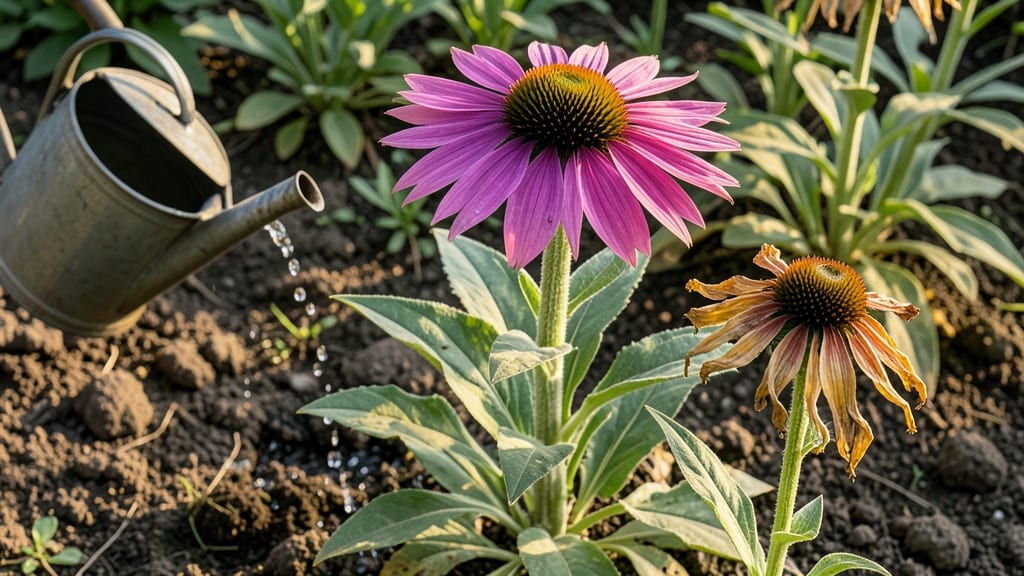
Do coneflowers need a lot of water? Actually, these drought-tolerant stars require far less than most gardeners think — they survive on just 1-2 cups every 1-2 weeks once established.
If you’re dreaming of a low-maintenance garden but worry about watering demands, coneflowers might just be your perfect match — these hardy perennials thrive on neglect while delivering stunning blooms all season. 🌼
Deep roots mean they store moisture like pros, making them ideal for busy gardeners or dry climates. Overwatering is the real risk here, leading to yellowing leaves or fungal issues.
Below, I’ll show you exactly how much water these plants really need, plus signs of stress and pro tips to keep them blooming without drowning them.
How much water coneflowers actually need (drought-tolerant truths)
If you’ve ever wondered, "do coneflowers need a lot of water?"—the short answer is no. These native prairie plants are legendary for their drought tolerance, thriving with minimal moisture once established.
Their deep taproots reach up to 3 feet underground, accessing water stored deep in the soil during dry spells. This makes them ideal for xeriscaping and water-wise gardens.
Newly planted coneflowers (first year) do require regular watering to help roots establish, but mature plants often survive on rainfall alone in many climates.
Understanding their watering phases—establishment vs. maturity—is key to avoiding overwatering or underwatering. Let’s break down exactly how much water these resilient bloomers truly need.
| Growth Stage | Water Frequency | Depth per Watering | Key Notes |
|---|---|---|---|
| First Year (Establishment) | Every 5-7 days | 1-1.5 inches | Critical for root development; avoid soggy soil |
| Second Year (Transition) | Every 10-14 days | 1 inch | Reduce frequency as roots deepen |
| Mature Plants (3+ Years) | Every 3-4 weeks | 0.5-1 inch | Rainfall often sufficient; water only during drought |
| Extreme Drought | Monthly deep soak | 2 inches | Focus on base of plant; mulch retains moisture |
During the first year, coneflowers need consistent moisture to build strong roots. Water deeply once a week during dry spells, ensuring the soil stays evenly moist but not waterlogged.
Overwatering at this stage can lead to root rot, so always check soil moisture by sticking your finger 2 inches deep—if it’s dry, it’s time to water.
By the second year, your coneflowers will have developed those deep taproots we mentioned earlier. This means you can reduce watering frequency to about every 10-14 days, unless your area experiences prolonged drought.
At this point, they’ll start resembling their wild prairie relatives, which thrive with minimal intervention.
Once fully mature (3+ years old), coneflowers often don’t need supplemental watering at all. Their roots can access moisture from deep soil layers that other plants can’t reach.
In most climates, rainfall alone is sufficient to keep them happy. This is why they’re a top choice for drought-prone gardens—they’ll keep blooming even when other perennials wilt.
If you’re growing coneflowers in containers, the rules change slightly. Potted plants dry out much faster than those in the ground, so you’ll need to water every 5-7 days during the growing season.
Use a well-draining potting mix and ensure pots have drainage holes to prevent root suffocation from excess moisture.
One of the biggest mistakes gardeners make with coneflowers is overwatering. These plants hate soggy soil, which can lead to fungal diseases like powdery mildew. Always water at the base of the plant in the morning to allow foliage to dry quickly.
Avoid overhead watering, especially in humid climates, as this creates the perfect conditions for leaf spot diseases.
In hot, dry climates, coneflowers actually benefit from mulch. Apply a 2-3 inch layer of organic mulch (like shredded leaves or straw) around the base to retain soil moisture and regulate temperature.
This mimics their natural prairie habitat, where mulch-like leaf litter helps conserve water during dry spells. Just be sure to keep mulch away from the stem to prevent rot.
So, do coneflowers need a lot of water? The answer is a resounding no. With their deep roots and drought-resistant nature, they’re one of the most low-maintenance perennials you can grow.
Once established, they’ll reward you with vibrant blooms from summer to fall with minimal effort on your part. That’s what I call a win-win for busy gardeners!
Signs your coneflowers are overwatered or underwatered (and how to fix it)
Coneflowers are famously drought-tolerant, but even these hardy plants show stress when watering goes wrong. Yellowing leaves or mushy stems are red flags that your watering routine needs adjustment. The key is finding that sweet spot between soggy soil and bone-dry roots.
First, let’s address the biggest myth: coneflowers don’t need frequent watering. Once established, they thrive on neglect, but their deep roots do need occasional deep hydration. The real danger comes from overzealous watering, which can suffocate roots and invite fungal diseases like powdery mildew.
⚠️ Do Coneflowers Need a Lot of Water?
NO! These drought-lovers only need 1-2 cups every 1-2 weeks once established. Overwatering is the real enemy—it causes root rot and leaf yellowing. Stick to deep, infrequent watering in the morning to prevent fungal issues.
💧 Pro Tip: Let the top 2-3 inches of soil dry out between waterings.
Underwatered coneflowers show classic signs like drooping leaves or crispy leaf edges. If your plants look wilted even after watering, the soil might be too sandy or lacking organic matter. Amend with compost to improve moisture retention while keeping watering light and consistent.
For overwatered coneflowers, watch for yellowing lower leaves that eventually turn brown. The stems may feel soft or mushy when pressed—a sure sign of root rot. If you spot these symptoms, stop watering immediately and improve drainage by adding perlite or sand to the soil.
To fix underwatered plants, water deeply once a week during dry spells, focusing on the root zone. Mulch with 2-3 inches of organic material (like straw or wood chips) to lock in moisture.
For overwatered plants, reduce frequency and ensure containers have drainage holes or amend heavy clay soil with compost.
Remember: coneflowers store water in their deep roots, so they bounce back quickly from brief dry spells. The goal is to mimic natural rainfall—deep soakings followed by dry periods. With the right balance, your coneflowers will reward you with vibrant blooms all season with minimal effort.