
Flowers
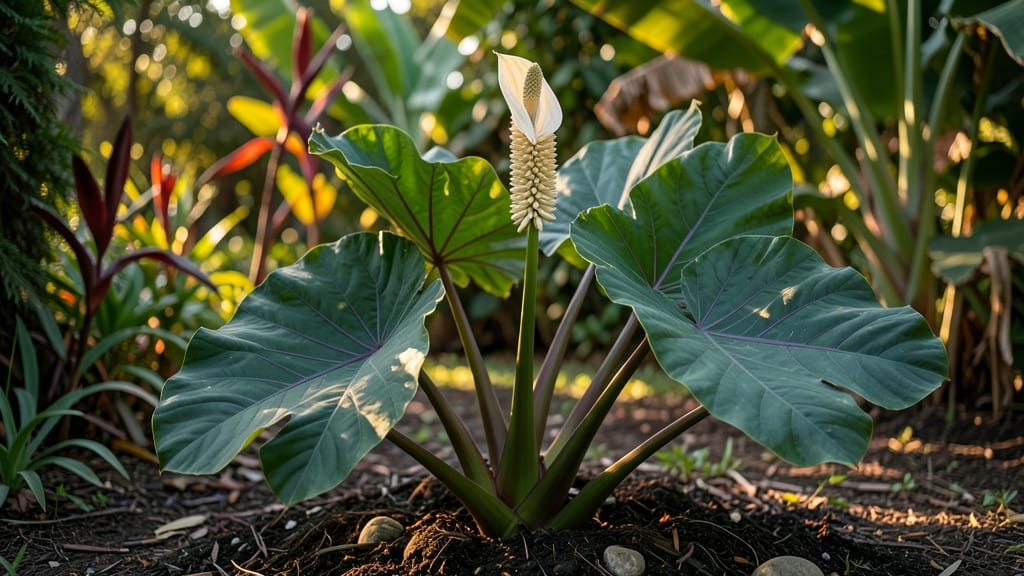
Elephant ears do grow flowers, though they’re often overlooked behind their bold, 🌿 leafy displays—but these blooms are a rare and fascinating surprise for gardeners.
If you’ve ever wondered why your elephant ears (Colocasia) seem to stay lush and leafy without ever blooming, you’re not alone. These plants are famous for their dramatic foliage, but their flowers—when they appear—are equally striking, though short-lived.
The key to seeing them lies in understanding the right conditions and timing.
Flowering in elephant ears isn’t just about aesthetics; it’s a sign of maturity and health. The blooms typically emerge in late summer or early fall, appearing as tall, arrowhead-shaped spadixes that rise above the leaves.
While not every plant will flower, creating the ideal environment—like partial shade and consistent moisture—can encourage this rare spectacle.
In this guide, I’ll walk you through what these flowers look like, why they’re so hard to spot, and the simple steps you can take to give your elephant ears the best chance to bloom—plus what to do once they do.


Why elephant ears rarely produce flowers (and when they do)
Elephant ears (Colocasia spp.) are prized for their bold, heart-shaped foliage, but many gardeners wonder why these stunning plants rarely bloom. The truth is, flowering in elephant ears is unpredictable and depends on maturity, climate, and growing conditions.
Most varieties focus their energy on leaf production, making flowers a rare but exciting event when they do appear.
Botanically, elephant ears produce flowers as part of their reproductive cycle, but they’re not obligate bloomers like some annuals. In fact, only mature plants (typically 3+ years old) have the energy reserves to support flowering.
This explains why young plants in your garden may never bloom during their first few seasons.
The flowers themselves are unique: a spadix (a fleshy, finger-like structure) surrounded by a spathe (a modified leaf). These structures often resemble a hooded cob and can appear in shades of white, pink, or purple, depending on the variety.
While the blooms are visually striking, they’re often overshadowed by the plant’s dramatic foliage.
Now, let’s break down the key factors that influence whether your elephant ears will bloom—and when.
🌱
| Factor | Ideal Condition | Impact on Flowering |
|---|---|---|
| Plant Maturity | 3+ years old | Younger plants prioritize leaf growth over flowering. |
| Light Exposure | Partial shade (4-6 hours morning sun) | Too much sun stresses plants; too little limits energy for blooms. |
| Climate Zone | USDA Zones 7-11 (tropical/subtropical) | Cold climates may prevent flowering entirely. |
| Soil Fertility | Rich, moist, well-draining soil | Nutrient-deficient soil reduces flowering potential. |
| Watering | Consistently moist (not soggy) | Drought stress halts flower development. |
| Variety | 'Black Stem,' 'Pink China' | Some cultivars bloom more reliably than others. |
One of the biggest misconceptions about elephant ears is that they never flower. In reality, they do bloom, but the timing is often season-dependent. Most flowering occurs in late spring to early summer, when days are longer and temperatures are ideal.
If you’re in a cooler climate, like Zone 6 or below, your plant may wait until summer’s peak or even skip flowering altogether.
Even when conditions are perfect, flowering can still be intermittent. For example, my Colocasia 'Black Magic' plant took 4 years to produce its first spadix, but once it started, it bloomed annually thereafter. Patience is key—don’t be discouraged if your plant resists flowering in its first few seasons.
If you’re eager to encourage blooms, focus on three critical adjustments: increase soil fertility with a balanced fertilizer (like 10-10-10), ensure consistent moisture, and protect your plant from extreme heat or cold.
Overwatering or underwatering can both stunt flower development, so aim for evenly damp soil without waterlogging.
Another pro tip: Divide mature clumps every 3-4 years. Overcrowded roots compete for energy, leaving less for flowering. By separating tubers in early spring, you’ll give each new plant the resources it needs to focus on growth—and eventually, blooms.
Finally, remember that not all elephant ears are created equal. Some varieties, like Alocasia (a close cousin), are even less likely to flower than Colocasia.
If you’re growing Alocasia 'Polly', for instance, you might never see flowers, while Colocasia 'White Queen' could surprise you with pinkish-white spadices in summer.
🌿
How to tell if your elephant ears will bloom (key signs)
Elephant ears (Colocasia) are famous for their bold, heart-shaped leaves, but many gardeners overlook their occasional blooms. The good news? These plants do produce flowers, though they’re often subtle and short-lived. Recognizing the signs early can help you anticipate—and even encourage—this rare spectacle in your garden.
Flowering in elephant ears typically occurs in late summer or early fall, but only under the right conditions. Unlike their dramatic foliage, the blooms are small and inconspicuous, often hidden beneath the leaves.
Knowing what to look for—like leaf size, stalk thickness, and seasonal cues—can help you spot them before they fade.
🌿 5 Key Signs Your Elephant Ears Will Bloom
- 1. Leaf Size: Mature leaves 12+ inches wide signal readiness to bloom.
- 2. Thick Stalk: A 1-inch-thick stem often precedes flowering.
- 3. Seasonal Cues: Blooms appear in late summer (August-September) in warm climates.
- 4. New Growth: A tall, central shoot emerging from the center is a bloom indicator.
- 5. Climate Zone: Plants in USDA Zones 8-11 bloom more reliably than temperate regions.
In tropical climates, elephant ears may bloom year-round, while temperate gardeners should watch for signs in late summer. The flowers themselves are spadix-like, resembling small corn cobs wrapped in a green sheath. They’re not showy, but spotting them confirms your plant is healthy and thriving.
If your plant shows these signs but still doesn’t bloom, consider adjusting care. Increase sunlight (but avoid harsh afternoon rays) and fertilize with phosphorus-rich food in early summer. Patience is key—some varieties take 2-3 years to flower for the first time.
Once you spot the blooms, enjoy this fleeting moment! The flowers are short-lived but mark a successful growing season. After blooming, your plant may slow growth or even die back in colder climates—but don’t worry, it’s normal. With the right care, it’ll return stronger next year.
🌱